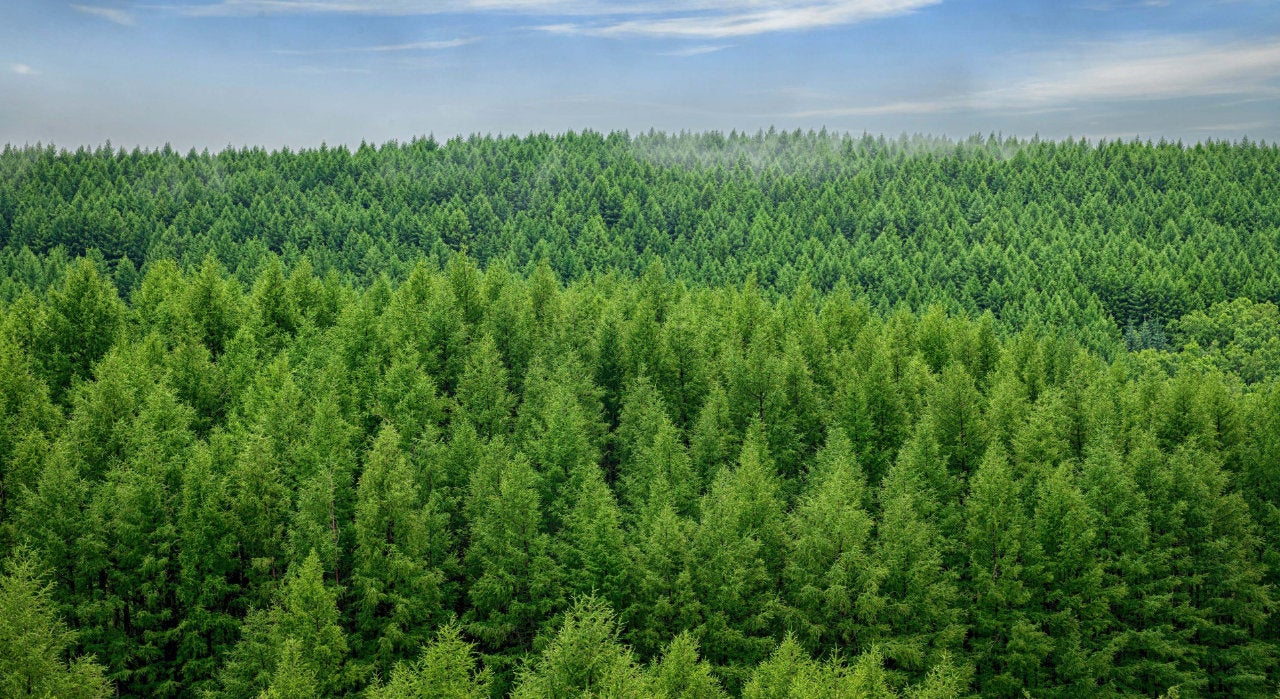
China has planted roughly 78 billion trees since 1978 as part of the Great Green Wall, a government initiative meant to slow soil erosion and stop devastating desert sandstorms. The effort has raised the country's forest cover from just 10% in 1949 to nearly 25% today. But a new study shows the massive reforestation has also triggered an unexpected hydrological problem.
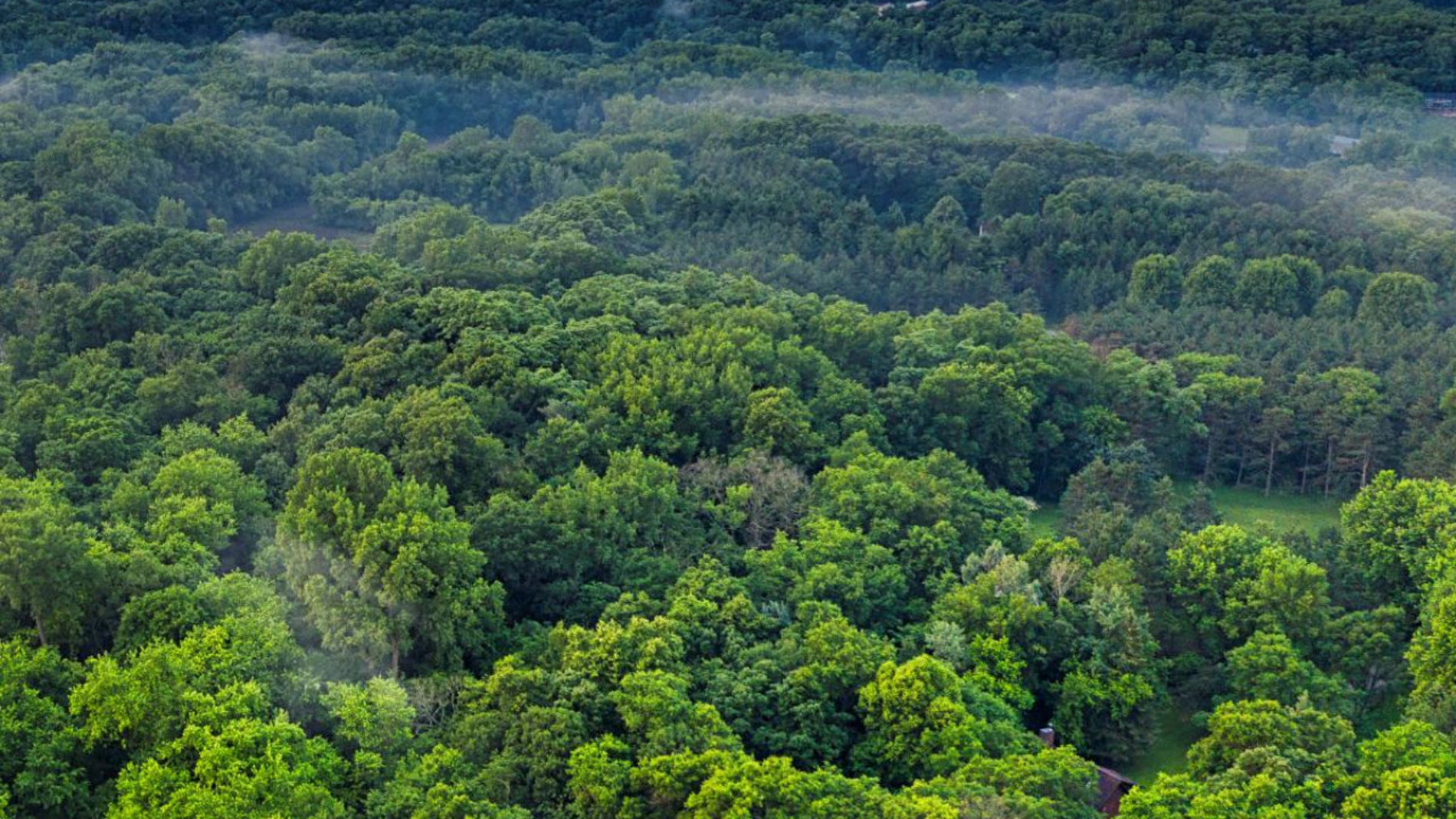
Researchers from Tianjin University, China Agricultural University and Utrecht University published their findings in the journal Earth's Future. They found that converting vast stretches of grassland and cropland into dense forest has sharply increased evapotranspiration, the combined process of soil evaporation and plant transpiration through leaf stomata. That surge of moisture entering the atmosphere has altered local climate dynamics, pushing rainfall toward the Tibetan Plateau and increasing water there, while leaving other parts of the country exposed.
Northwest China left with less water
The shift in moisture has hurt China's arid northwest and its monsoon-affected east, two regions that together make up about 74% of the country's territory. While turning grassland into forest did boost rainfall in some spots, the mature vegetation consumes so much water that net availability in rivers and aquifers has dropped significantly. Northwest China has suffered the most, losing large volumes of water to the Tibetan plateau.
A dilemma with human and economic stakes
The situation poses a major challenge. China's northern regions are home to about 46% of the national population and hold more than half of the country's farmland, yet they have access to only 20% of its water. The additional loss of water resources in these areas shows that large-scale environmental restoration cannot simply be reduced to planting trees. Experts warn that future reforestation projects must carefully study these complex hydrological feedback effects, to avoid drying out the very areas they are meant to protect.