China lost a Long March 7A rocket and its ChinaSat-4B satellite payload on Monday, August 10, when the vehicle exploded 85 seconds after liftoff from the Wenchang Space Launch Center on Hainan island.
The 60-meter rocket turned into a fireball during its climb, sending debris from the vehicle and its strategic communications payload crashing into the South China Sea.
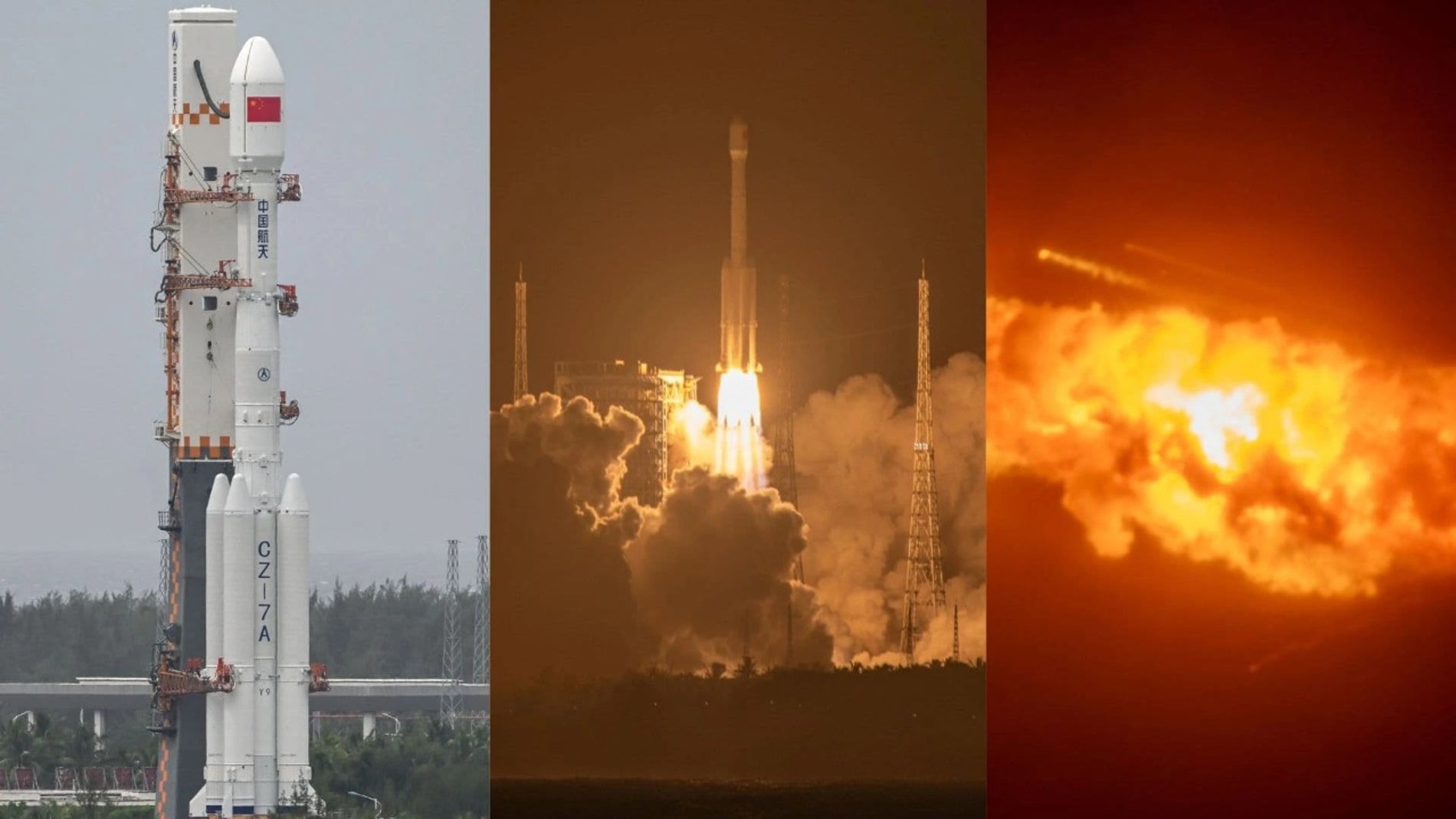
State news agency Xinhua and the China Academy of Launch Vehicle Technology confirmed the failure following the release of video footage recorded by witnesses on social media. Chinese authorities typically keep space launch accidents under investigation without immediate public notice, but widespread video coverage prompted official confirmation.
Space launch observers monitoring the mission suggested that the explosion may have been caused by the rocket's flight termination system. The emergency safety mechanism is designed to destroy a rocket automatically if it detects a trajectory anomaly or flight instability that renders the launch unsafe, though authorities have not yet confirmed this cause.
The mission was the eighteenth flight of the Long March 7A rocket model and was intended to deploy ChinaSat-4B into high Earth orbit. The satellite was designed to expand data transmission, television, and radio broadcasting services worldwide, while serving critical high-orbit communications for both civil and military sectors in China.
Launch history and investigation
Monday's accident marks only the second failure in the operational history of the 60-meter Long March 7A launch vehicle, which was developed by Beijing to carry heavy payloads into high orbits. The rocket suffered its maiden flight failure in March 2020, but subsequently completed more than a dozen consecutive successful missions beginning in 2021, with its most recent successful launch occurring just 12 days before the incident.
Chinese salvage teams will work to recover remnants of the rocket and payload from the South China Sea to determine what caused the breakup. If the investigation reveals a manufacturing defect or a faulty component shared with other vehicles in the Long March 7 series, the findings could impact the supply schedule for China's Tiangong space station.
Global space race context
The launch failure comes during a period of heightened public attention and rapid developments across the global space sector. Interest in space exploration renewed following NASA's Artemis II lunar flyby mission in April, highlighting the ongoing competition between the United States and China for leadership in orbital spaceflight.
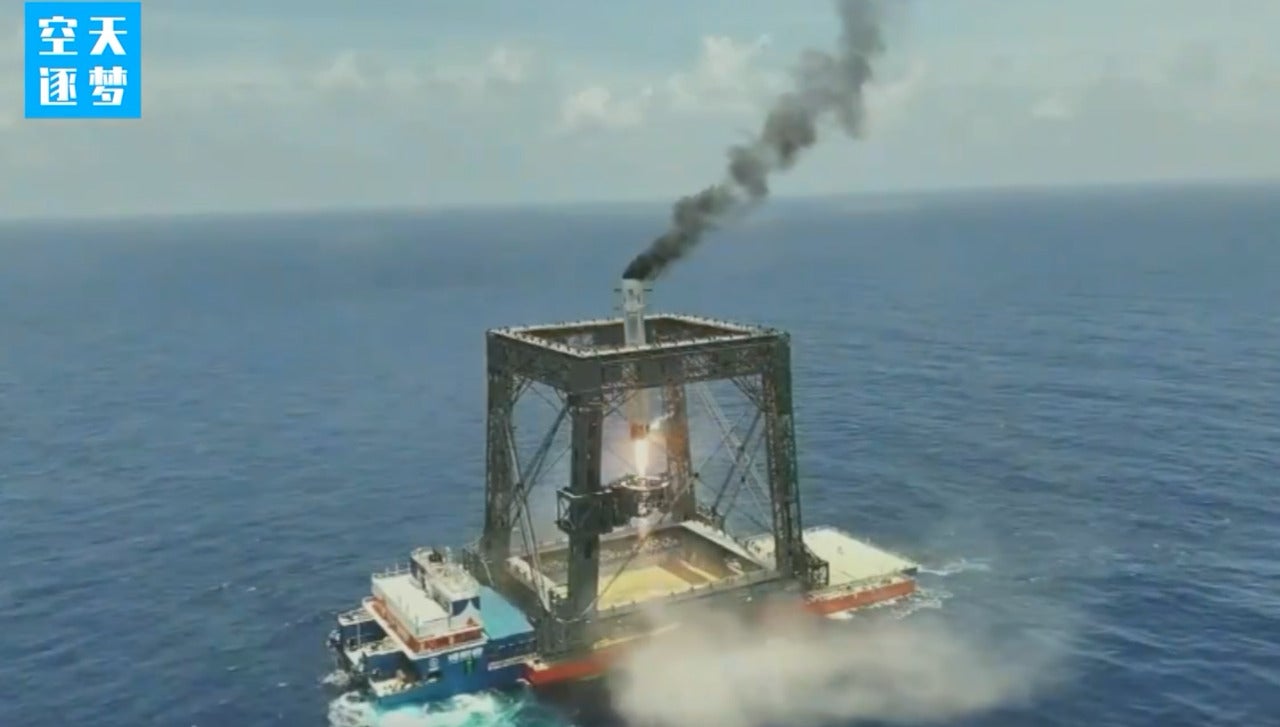
China has made rapid strides in its space program, recently achieving the recovery of its first reusable rocket, the Long March 10B. However, the destruction of the Long March 7A and ChinaSat-4B underscores the ongoing technical challenges of high-orbit heavy launches, as demonstrated by recent incidents in other commercial launch programs, including an explosion during a test flight of Blue Origin's New Glenn rocket.