Castilla y León has joined the Executive Committee of the International Council for Game and Wildlife Conservation, regional counselor Joaquín Antonio Pino announced.
Pino, who serves as counselor of Agriculture, Livestock, Rural Development and Environmental Policy, attended the organization's meeting at the Monasterio de San Pelayo in Cevico Navero, Palencia, alongside Ignacio de la Fuente, the regional director general of Hunting, Fishing and the Rural Environment. The council is the only hunting association accepted as an observer at the United Nations.
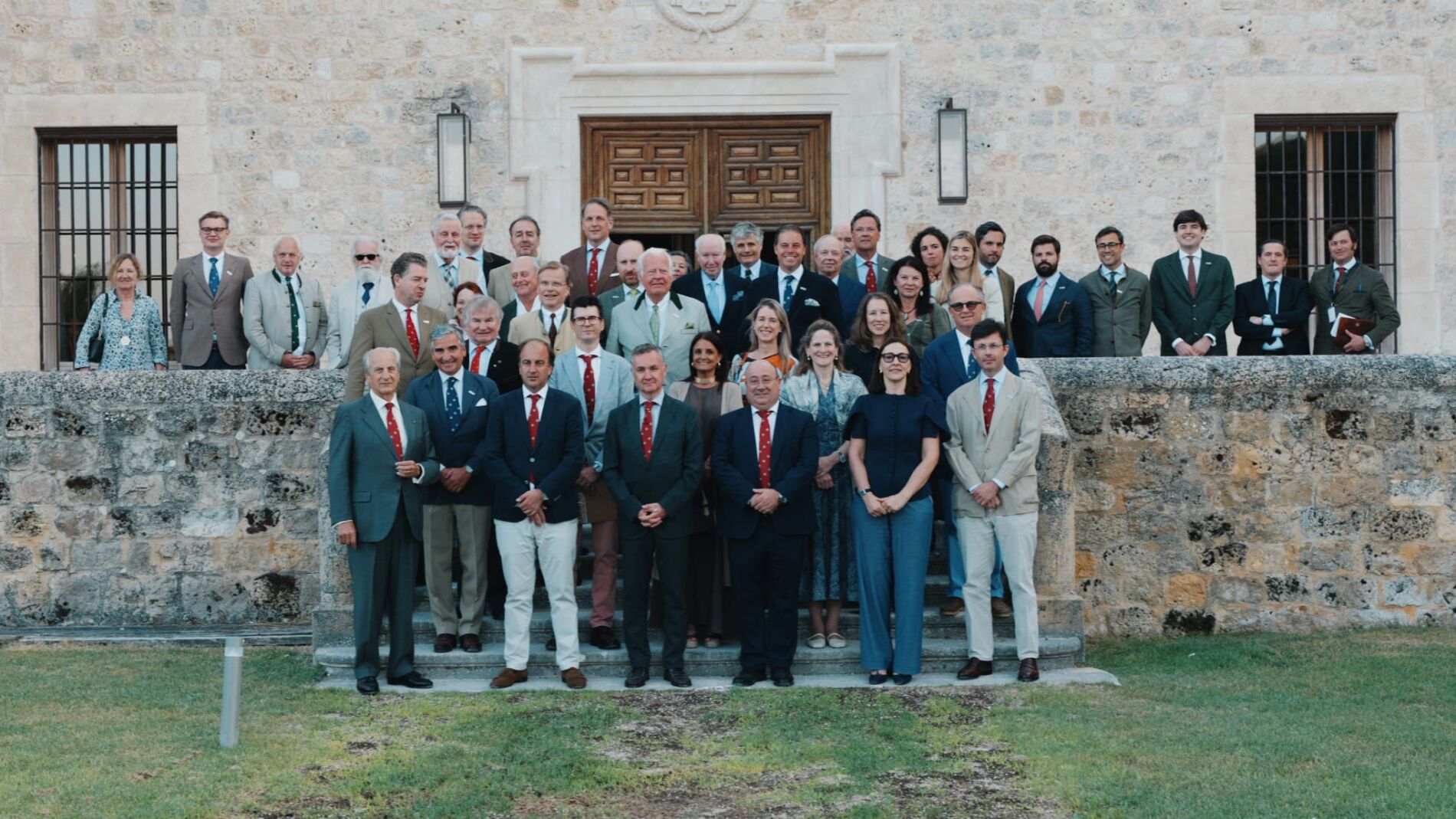
During the meeting, Pino defended the regional hunting model of Castilla y León as an example of combining conservation, active land management, economic activity, and rural development. He stated that the primary goal of the regional government is to eliminate the artificial conflict between conservation and human activity, adding that territory is preserved through active management and by relying on local residents who know and care for the land daily.
Hunting Activity and Regional Reserves
Hunting is conducted across more than 88 percent of the surface area of Castilla y León through approximately 5,500 hunting grounds and ten Regional Hunting Reserves. Pino noted that these figures position the region among the primary hunting territories in Europe.
The counselor emphasized that hunting provides a major source of revenue for many rural districts. It supports local employment, hospitality businesses, lodging, service companies, and professionals tied to the region.
Pino announced that the regional government, known as the Junta, will strengthen the role of its Regional Hunting Reserves as a core pillar of its hunting policy. He explained that these reserves enable structured harvesting, technical monitoring of animal populations, and the balancing of wildlife protection with economic growth in rural areas.
According to Pino, decades of accumulated experience prove that effective wildlife conservation requires constant monitoring, population controls, and a persistent presence on the ground. He also stated that the regional government will work to highlight the year-round efforts of hunters, game wardens, managers, reserve holders, and landowners.
New Hunting Season and Reduced Bureaucracy
A new half-season hunting campaign, known as media veda, will begin in Castilla y León on August 15 and run through September 20, ending just before the start of autumn. This upcoming season introduces a new requirement for hunters to log all catches using paper filing sheets or the Capturcyl computer application.
This new registration system turns hunters into direct collaborators in tracking and managing wildlife populations. The collected information will provide data to support future management decisions made by regional authorities.
Pino also outlined several initial measures introduced by the Junta to streamline hunting operations and improve wildlife management. The digital seal system will now become voluntary, and the use of thermal night vision sights will be permitted for big game hunting.
The regional government expects these adjustments to help control specific wild populations, prevent health risks, lower damage to agricultural holdings, and improve road safety. They are also intended to improve species management in areas where high animal density repeatedly damages crops, pastures, and farm infrastructure.
Pino stressed that regulations must ensure conservation and legal compliance while enabling effective management. He said the regional government is committed to reducing unnecessary administrative burdens, providing legal certainty, and offering practical tools to the sector.
Ongoing Dialogue and Support for Rural Communities
The regional Ministry of Agriculture, Livestock, Rural Development and Environmental Policy considers hunters and game managers essential partners in understanding wild species and reducing associated risks. The Junta plans to maintain continuous dialogue with hunting federations, organizations, reserve holders, landowners, and industry professionals.
Pino concluded that Castilla y León will defend hunting using arguments, technical knowledge, and concrete actions. He described hunting as an activity tied to regional history that generates wealth, aids wildlife management, helps retain rural populations, and provides economic opportunity for local villages.