Castilla y León has created an official network of 73 recommended observation points strategically selected to safely view the total solar eclipse on Wednesday, August 12. The astronomical phenomenon coincides with sunset, with the totality phase occurring between 8:26 p.m. and 8:32 p.m.
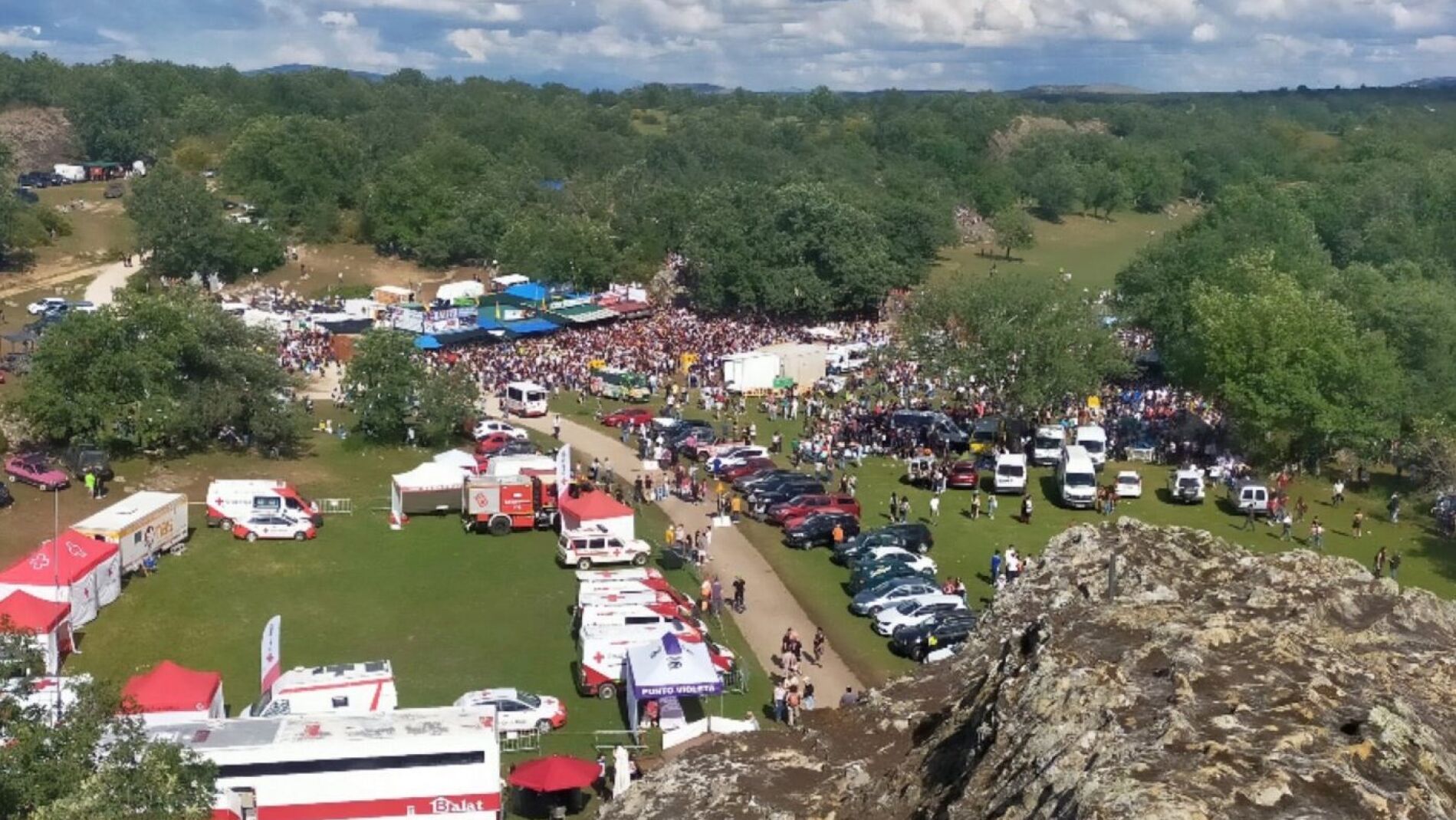
The Borobia Astronomical Observatory advised spectators to position themselves in wide open locations featuring a completely clear western horizon. The event is a unique total solar eclipse that has not occurred in the region in the last 121 years.
In Ávila province, the municipality of Arévalo, which has 7,400 inhabitants, serves as the central observation point for the region. The provincial observation site installed in Arévalo will draw 12,000 people, with another 4,000 people on a waiting list in case of cancellations. Authorities have enabled an area with 6,000 parking spaces to accommodate visitors.
Carlos García, president of the Provincial Council of Ávila, and Roberto Rodríguez, technical director of the astrotourism collective brand Stellarium and coordinator of the Eclipsados Action Plan, presented the data at a press conference. The Eclipsados plan includes a program concluding on August 12 with a major event inside a venue similar to the one set up at the Mesegosillo estate in Hoyos del Espino for the Músicos en la Naturaleza festival.
In northern Ávila province, observation points located within the path of totality will experience totality durations ranging between 16.6 and 38.3 seconds. The regional government also recommended viewing locations in Adanero, Moraleja de Matacabras, Palacios de Goda, and Nava de Arévalo, which features two distinct observation enclaves in Palacios Rubios and Vinaderos.
Observation sites in Burgos and León
In Burgos province, the regional government recommended seven primary viewing points. Spectators can watch the eclipse from Arija, Hacinas, Quintanarraya, Lodoso, Poza de la Sal, Tejada, and Burgos capital.
In León province, nine locations were designated by the regional government to host eclipse viewers. The official list includes León, Ponferrada, Santa Catalina de Somoza, Destriana, Valderilla de Torío, San Feliz de Torío, Noceda del Bierzo, Sabero, and San Andrés del Rabanedo.
Viewing locations in Palencia and Salamanca
In Palencia province, viewing spots were chosen in Palencia capital, Herrera de Pisuerga, Ledigos, Paredes de Nava, Saldaña, and Osorno la Mayor based on safety, accessibility, and capacity. The Palencia City Council will organize the main institutional event of the capital at Cerro del Otero, which will host the NATE international scientific project led by the Institute of Astrophysics of the Canaries.
In Salamanca province, the regional network includes Santa Marta de Tormes, Alba de Tormes, Salvatierra de Tormes, Saucelle, Pereña de la Ribera, Villar de Gallimazo, and Villarino de los Aires. In Salamanca capital, Elio Antonio de Nebrija park, located next to the Tormes River, offers suitable conditions to gather numerous spectators.
Eclipse points in Segovia, Soria, Valladolid and Zamora
In Segovia province, the Junta selected Arcones, which will utilize its standard paragliding landing zone for spectators. Other designated Segovian locations include Ayllón, Boceguillas, Collado Hermoso, Otero de Herreros, Riaza, and Turégano.
In Soria province, officials selected Monte Valonsadero in Soria capital, where organizers expect more than 20,000 people to attend. Other Soria sites include the Numancia grandstand in Garray, the area surrounding the Borobia Astronomical Observatory, the Royal Spanish Hunting Federation facilities in Castillejo de Robledo, Cerro de la Coronación in Ágreda, and La Loma site in San Leonardo de Yagüe.
In Valladolid province, recommended viewing spots include Arroyo de la Encomienda, Alcazarén, Cabezón de Pisuerga, Cigales, Cistérniga, Íscar, Laguna de Duero, Medina de Rioseco, Medina del Campo, Montealegre de Campos, Rueda, Tiedra, Trigueros del Valle, Tudela de Duero, Urones de Castroponce, Urueña, Villalar de los Comuneros, Villalón de Campos, and Villanubla.
In Zamora province, official observation locations include Benavente, Toro, and the Los Arribes del Duero region.