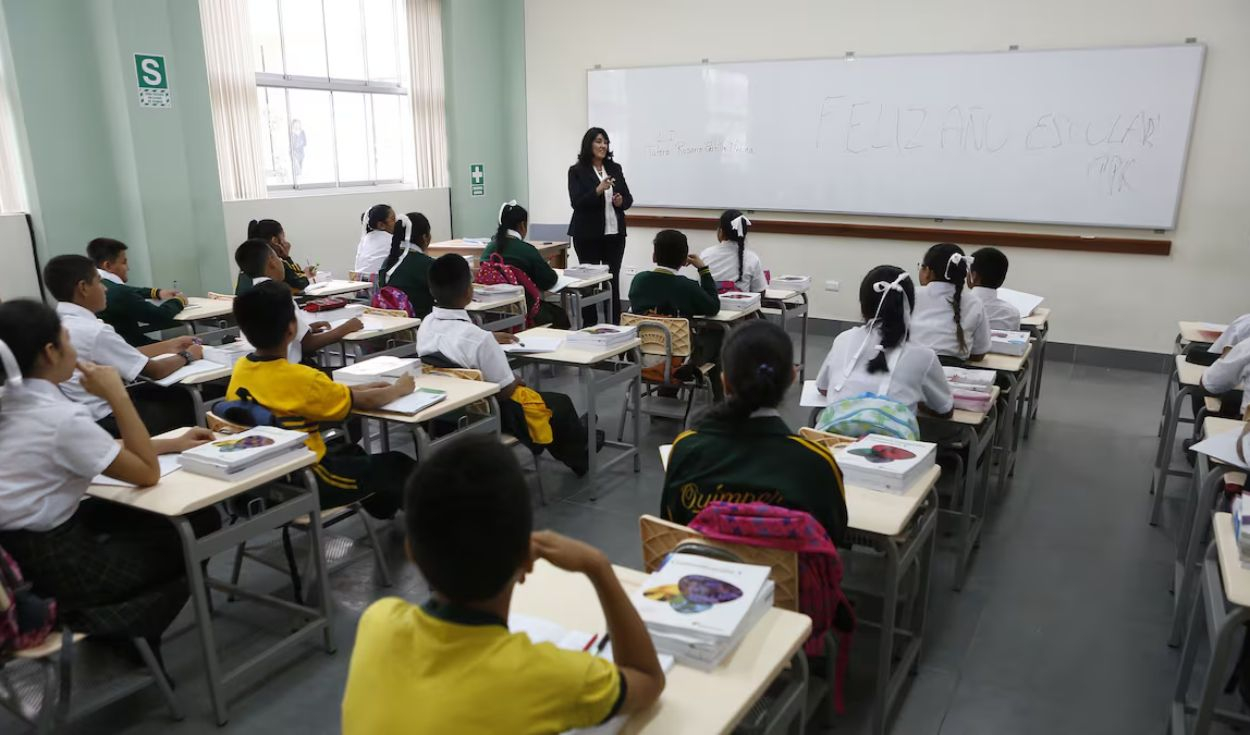
CARE Peru official Diana Prudencio Gamio warned that offering classroom places to students with disabilities does not guarantee genuine educational inclusion without wider systemic support. Writing in an opinion column published by educational initiative Mision Educacion on Monday, 2 November 2026, she argued that physical presence in a classroom represents only the first step toward equal learning.
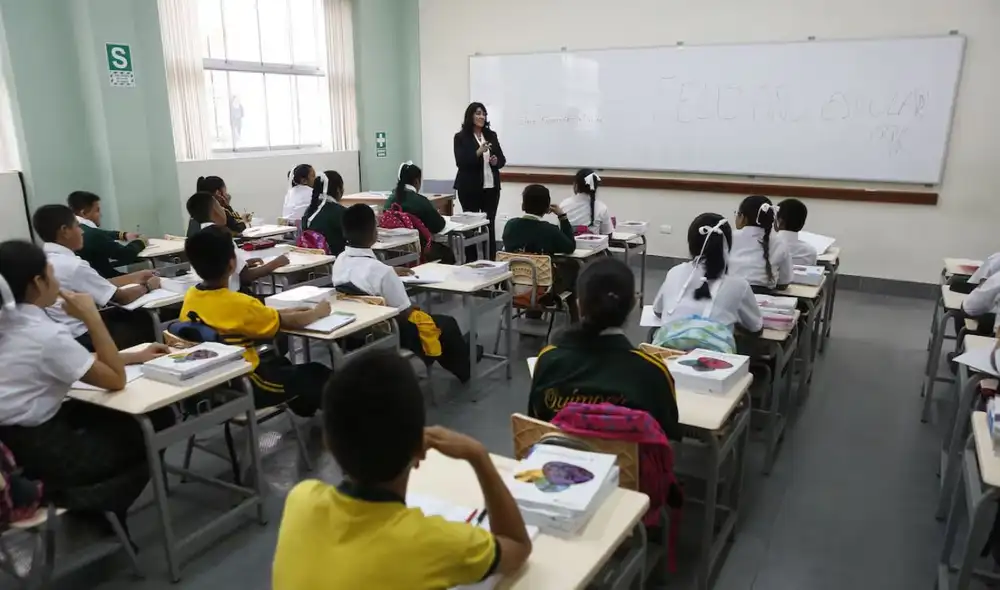
Prudencio Gamio, who serves as manager of social inclusion, education and health at CARE Peru, emphasized that true inclusion requires real opportunities for children to learn, participate and develop their capabilities. She noted that schools cannot deliver these outcomes in isolation when surrounding social services fail to support them.
CARE Peru operates as the national branch of the international humanitarian confederation CARE, running public health, anti-poverty and educational programs across Peru. Drawing on her professional experience in public policy and personal experience as the mother of a daughter with a disability, Prudencio Gamio stressed that creating a policy or service remains insufficient without adequate resources, operational capacity and institutional coordination.
Her assessment referenced Peru's National Educational Project to 2036, a state strategic framework that establishes equity and inclusion as fundamental national objectives. The policy framework recognizes that achieving true equality often requires differentiated educational responses rather than uniform treatment. Prudencio Gamio also pointed to Peru's 2026 National Sample Assessment, known as ENLA 2026, which incorporates official accommodations and specialized supports to enable students with disabilities to take part under fair conditions.
Inclusion does not mean ignoring educational achievement, she added, arguing that evaluations should never serve merely to compare children, but rather to identify what each pupil is learning and what specific assistance they need to progress.
Systemic barriers beyond classroom walls
When an individual child fails to achieve inclusion, public debate frequently blames the school. However, Prudencio Gamio argued that the individual school represents only the final mile of a much broader administrative and social apparatus that must function collectively to enable equal participation.
To establish genuinely equal opportunities, she said public services outside the school gates must operate effectively, including healthcare systems, social protection networks and accessible transport. Within schools, she stated that teachers require continuous professional accompaniment, while classrooms must be equipped with varied learning materials and specialized support services.
Rather than relying on exceptional individual schools or the goodwill of dedicated teachers, Prudencio Gamio called for embedding inclusive capacity into the entire state system. She urged authorities to strengthen specialized educational support units, link separate government ministries, and monitor long-term student trajectories across enrollment, learning gains, ongoing advancement and final graduation.
Wider debates on Peruvian education reform
Prudencio Gamio's critique represents the latest contribution to an ongoing series of policy articles published by Mision Educacion in Peruvian national media, examining deep-seated structural challenges across state education. Her analysis of disability access built upon several previous articles released by the platform during the autumn of 2026 that examined other systemic deficits.
Her article on classroom placement, titled Being Present Is Not Inclusion, reiterated that educational inclusion goes beyond securing an enrollment slot to demand real developmental opportunities for all students.
On 14 October 2026, Mision Educacion addressed student welfare in an analysis examining the socio-emotional agenda of public schooling. The contribution warned that safeguarding emotional well-being across state classrooms requires adequately prepared teachers alongside timely access to professional psychological care.
Earlier that month, on 1 October 2026, the initiative evaluated school infrastructure across Peru in an article titled building schools is not enough. The analysis argued that structural deficits extend far beyond a shortage of physical buildings, calling for a fundamental reconsideration of how learning spaces are designed and utilized.
Adult education and school leadership
The platform has also campaigned for legislative modernization to address historic educational gaps. On 16 September 2026, Mision Educacion proposed an Education Law for Youth and Adults, intended to unify fragmented educational programs and establish quality, relevant instruction for citizens who never finished school.
The autumn series opened on 9 September 2026 with an essay on pedagogical leadership as the pathway to reform. That article argued that while educational systems face urgent demands to adapt to twenty-first century requirements, administrative bodies remain excessively focused on bureaucratic supervision and regulatory control rather than fostering instructional leadership among headteachers.
Looking ahead, Prudencio Gamio insisted that educational inclusion in Peru must cease to depend on isolated goodwill. She called on policymakers to transform the educational apparatus into a unified system that sustains every school, ensuring that all pupils receive the individualized assistance required to learn, participate and complete their schooling.