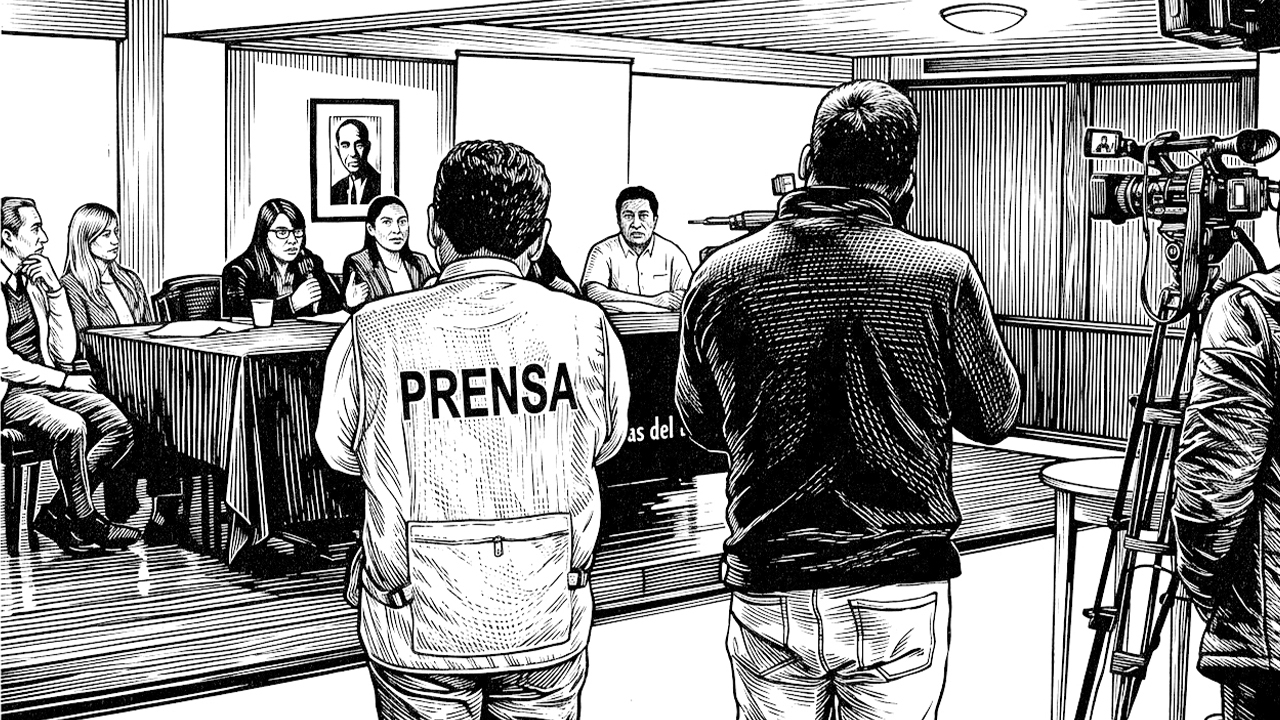
A bar owner in the southern Spanish province of Cádiz has spent several days unsuccessfully trying to recruit staff because potential workers prefer to rely on state benefits, according to an opinion piece published in World Stock Market.
The woman is the sister-in-law of journalist Pedro Narváez, who wrote the column. She said the wages offered for the position were not bad, but candidates found it more profitable to combine their own state payouts with their mothers' benefits and remain at home rather than work.
Cádiz is a port city and province in the Andalusia region of southwestern Spain. Narváez described his sister-in-law as a woman with eight Cádiz surnames, adding that she made ringlets out of bombs, a reference to a traditional local song about the resilience of the city's women during the Peninsular War.
He wrote that the province was so popular with visitors from the Spanish capital that it had more people from Madrid than the Madrid district of Chamberí, and lacked only the penthouse of regional president Isabel Díaz Ayuso to become an associated state.
Narváez wrote the column on August 23, noting that half of Spain was celebrating at festivals with continuous hangovers and musical orchestras, and that nobody around him was going hungry.
Urban legend
He said the situation at the bar proved that the urban legend discussed by politicians was true. Narváez said this was not because people in Cádiz were any lazier than in other parts of Spain. He argued that if given the option to receive an income without waking up at seven in the morning, the choice was clear for most people, whether they lived by La Caleta beach in Cádiz or in the Agra del Orzán neighbourhood of A Coruña in the northwest.
The author said a discussion formed in the bar that would rival the Spanish morning television show Mañaneros. He said the local Roma population jokingly cursed each other by wishing their minimum vital income would be removed, or that they would have to submit a curriculum vitae.
Narváez said they said this to each other's faces and it seemed funny, particularly to white people who worked in the capital. He wrote that nothing pleased a middle-class person from Madrid more than being shown the underclass of Cádiz, but that local middle-class people who wanted to advance found the shamelessness extremely annoying.
Taboo subject
The columnist wrote that it was acceptable for middle-class people to pay for state assistance, but it was no longer funny when the money went to people who laughed at them.
Narváez compared the issue of state subsidies to the film Fight Club, noting that the first rule was not to talk about it. He described it as a taboo subject that nobody wanted to reconsider for fear of being labelled a fascist.
He said people discussed the issue quietly, but raising it in a public debate was viewed as ugly, comparing it to asking the American civil rights activist Rosa Parks to step off the bus.
Narváez said he had been given permission by the Roma group to reproduce their comments because his family had treated them well. He added that his sister-in-law wanted to shout about her situation like the fictional character Scarlett O'Hara.
He concluded by writing down his impressions, predicting they would achieve nothing even though those who pay for the benefits and those who receive them think the same way. He ended the column by stating that this was the consequence of free sex.