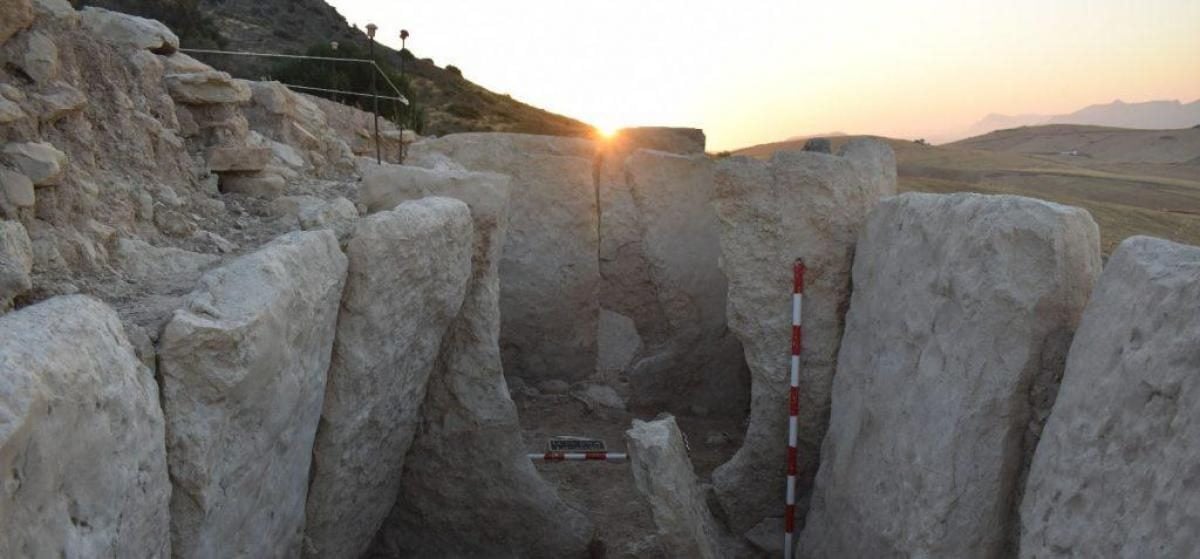
Researchers in Malaga, Spain, have discovered a 5,000-year-old stone tomb monument measuring 12 meters in length, Popular Mechanics reported. The structure is exceptionally well preserved and filled with ancient artifacts.
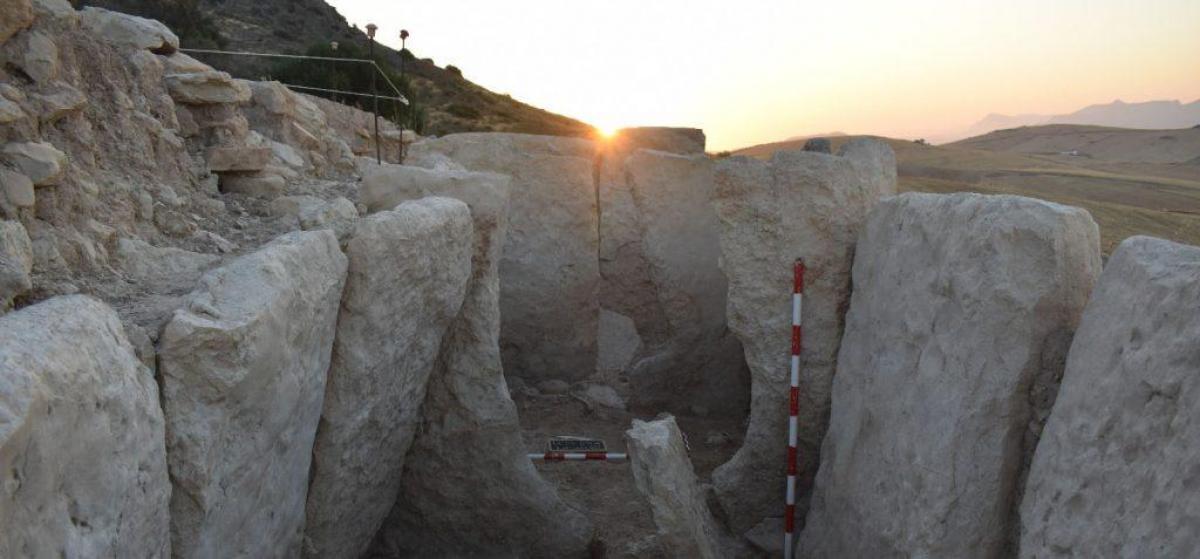
Serafin Becerra, a professor at the University of Cadiz, said the site is one of the most monumental and best-preserved dolmens in Andalusia, Spain's southernmost autonomous region. Project co-director Eduardo Vijande agreed, noting that its exceptional preservation will provide detailed insights into the lifestyle and beliefs of these ancient communities.
Built from vertical stone slabs called orthostats standing about 2 meters tall, the tomb includes several internal compartments that may expand understanding of burial rites in the southern Iberian Peninsula during the third millennium BC.
Artifacts and burial chambers
Inside, researchers found several prestigious container rooms, known as ossuaries, containing human bones and burial items. These include exotic materials like ivory and amber, sea shells, and exquisite flint tools such as arrowheads, large blades, and an exceptional halberd, a two-handed weapon resembling an axe.
Eduardo Vijande Villa, an assistant professor of prehistory at the University of Cadiz and excavation co-director, said the dolmen was covered with large horizontal stone slabs under a mound of sand and small stones. Multiple excavation seasons suggest the site served as a collective burial ground.
Juan Jesus Cantillo, a professor at the University of Cadiz, said shells found far from the coast highlight the sea's role as a prestige symbol and show the existence of long-distance exchange networks 5,000 years ago.
Historical role of dolmens
Dolmens were used across different regions and periods worldwide. Beyond serving as tombs, some held cultural or ritual importance, functioned as shelters, or acted as key territorial markers indicating land ownership.
In related archaeological news, researchers nearly 336 meters deep inside Bruniquel Cave in southwestern France discovered two rings made from stalagmite fragments. Dated to about 176,500 years ago, the structures predate Homo sapiens in Europe, leaving Neanderthals as the probable builders.