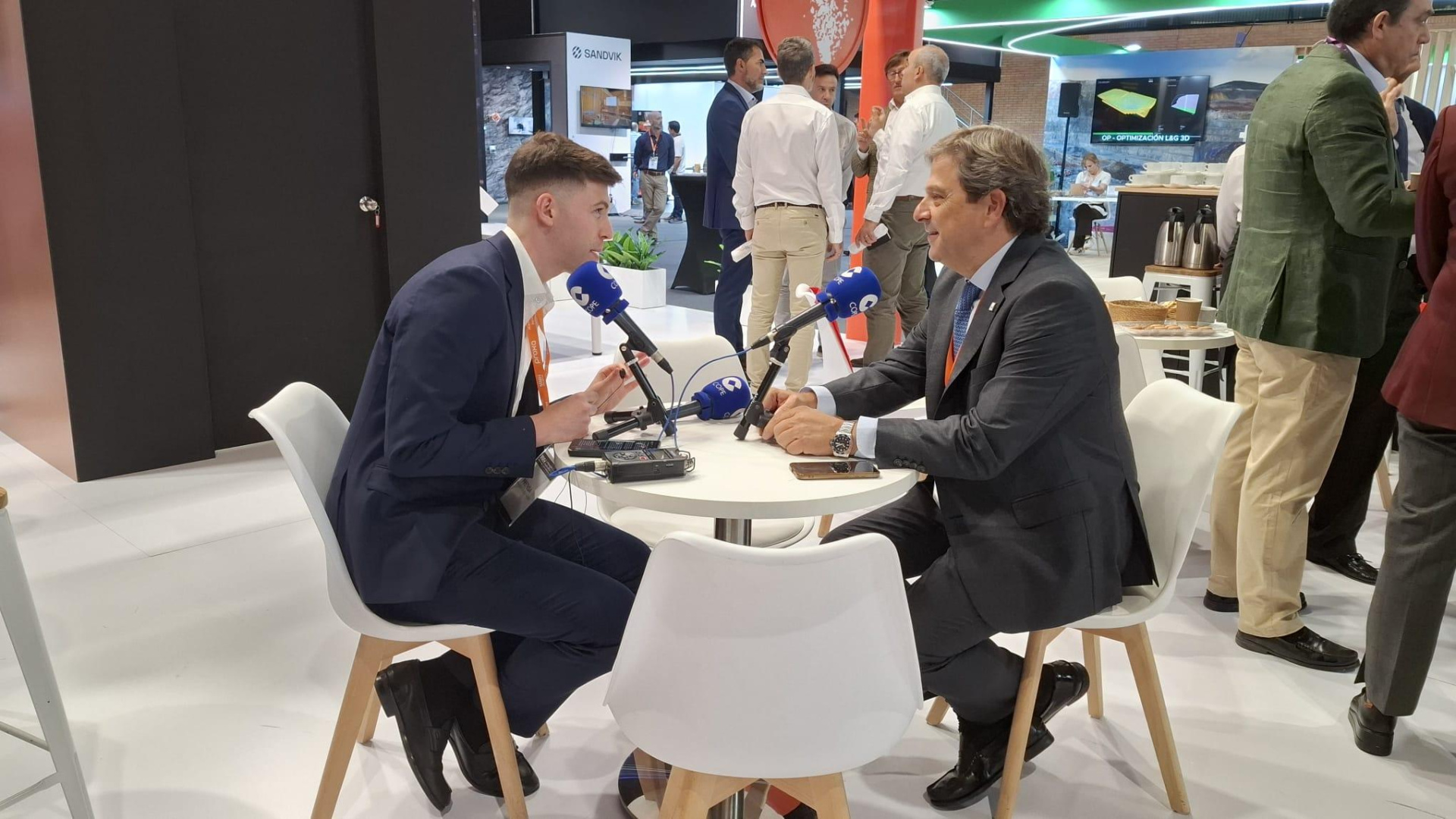
Mining and Minerals Hall commissioner Fernando Arauz de Robles has identified Andalusia as Europe's great mining reserve, arguing that shifting global politics requires the continent to develop its own natural resources.
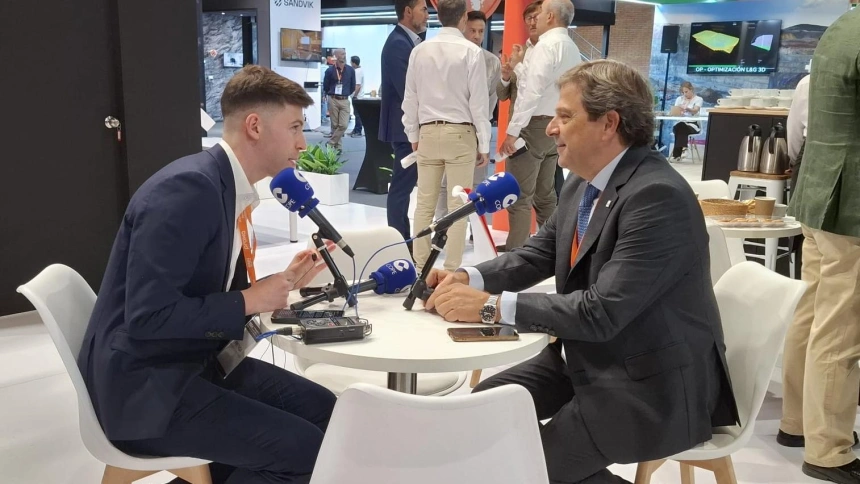
Arauz de Robles said the mining sector is entering a new cycle in which industry professionals see a major commercial opportunity to rebuild domestic supply chains. Geopolitical shifts are now forcing European leaders to look inward after spending decades relying on imported raw materials to fuel industrial growth.
According to Arauz de Robles, the current international environment demonstrates that Europe has pursued a flawed strategy by depending heavily on external suppliers such as China. He noted that governments and businesses across the continent are finally recognizing that critical raw materials are essential for economic survival.
European Mining Bureaucracy and Supply Risks
Despite growing continental demand for domestic minerals, Arauz de Robles warned that excessive red tape remains the primary barrier to opening new production sites. He lamented that European authorities and Spanish lawmakers have spent many years approving rules that restrict mining operations.
Reversing those legislative hurdles will require substantial political effort. Arauz de Robles cautioned that dismantling decades of anti-mining regulations will take far more time than industry leaders and policymakers would like.
The European Union has faced mounting urgency to secure critical raw materials as it advances renewable energy projects, grid modernization, and electric vehicle adoption. European industries currently rely heavily on China for refined rare earths, battery components, and essential base metals. To counter this vulnerability, EU policymakers have established targets to boost domestic mineral extraction, processing, and recycling by 2030, while seeking to reduce dependence on single non-EU suppliers. However, permitting procedures for European mining projects typically require lengthy environmental impact assessments and multi-layered municipal reviews, creating long timelines between mineral discovery and commercial production.
Huelva Mining Heritage and Resource Potential
Arauz de Robles pointed specifically to the strategic role of Huelva, describing the southwestern Spanish province as having a unique and exclusive opportunity to lead continental mineral development.
The province combines an extraordinary geological foundation with an industrial sector that possesses the required technical expertise, Arauz de Robles said. He added that the territory also benefits from a mining tradition that stretches back thousands of years.
Huelva sits at the heart of the Iberian Pyrite Belt, a vast geological formation that stretches from south-central Portugal into southwestern Spain. Formed hundreds of millions of years ago, the belt holds one of the largest concentrations of polymetallic massive sulphides in the world, with substantial reserves of copper, zinc, lead, and silver. Mining in the area dates back more than 4,000 years, beginning with Copper Age communities and expanding under Tartessian and Phoenician merchants before Roman authorities turned Huelva into an imperial centre for silver and copper coinage. During the nineteenth and twentieth centuries, massive opencast operations around the Rio Tinto and Tharsis basins established the province as a global chemical and metal hub, creating transport railways, smelting infrastructure, and direct access to shipping berths at the Port of Huelva.
Andalusian Government Support and New Mines
Arauz de Robles described the autonomous community of Andalusia as an exceptional case within both Spain and Europe, referring to the region as a rare white blackbird in the current continental climate.
He explained that the regional administration in Seville has pursued a proactive mining policy over many years. That support has enabled three new mines to open in Andalusia in the past three years, assisted by a dedicated project accelerator unit that works to clear bureaucratic delays for strategic industrial investments.
Arauz de Robles expressed immense pride in the upcoming trade fair and the mining profession as a whole. He stated that the success of the gathering directly reflects the momentum building across the sector, calling the event the premier showcase to demonstrate the spectacular progress underway in contemporary mining.
The Mining and Minerals Hall is held at the FIBES exhibition and conference centre in Seville, serving as Europe's central biennial gathering for the raw materials sector. Organized in partnership with regional authorities and industrial associations, the summit brings together mining companies, geologists, environmental engineers, and public administrators to address sustainable extraction, automation, and mineral self-sufficiency across the European continent.