

Industrial company Maprisse has cleared final hurdles to begin building a 60 million euro metals recovery plant in Tharsis, regional officials confirmed.
The project will extract gold and silver from historic mining waste, starting with the construction of a dedicated industrial electrolysis facility.
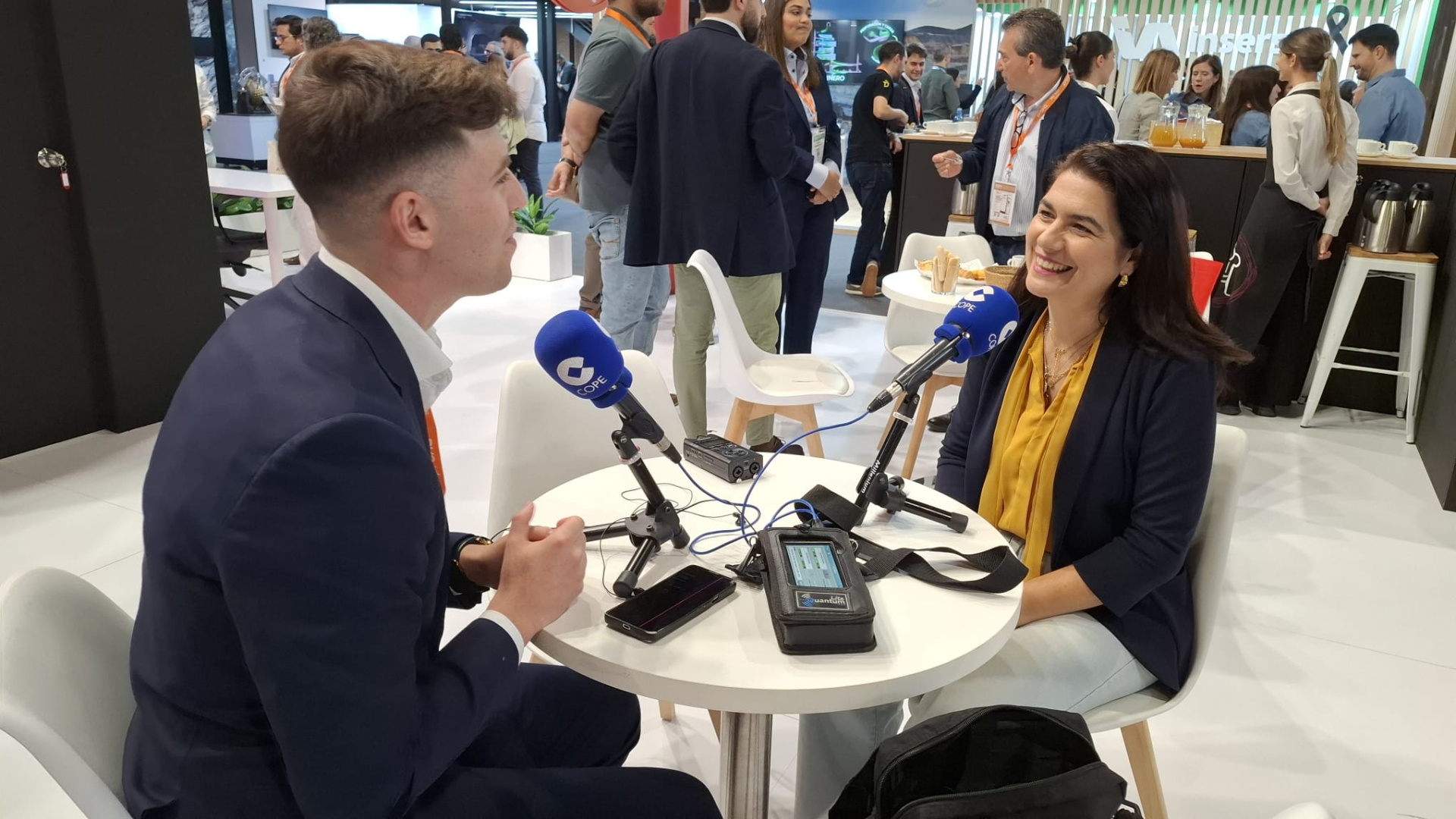
Lucía Núñez Sánchez, the territorial delegate for Economy, Finance, European Funds, University, Industry, Energy and Innovation for the Regional Government of Andalusia in Huelva, described the development as very good news and stressed its strategic importance for the area.
Núñez explained that the project has moved through the regional administration's Project Accelerator Unit for nearly eighteen months. The company has now secured both its integrated environmental authorization and its simplified environmental permit, which she termed vital approvals required before starting construction.
Regional government representatives will attend the formal start of construction on the upcoming 26th. Núñez praised the scheme as a very fine initiative focused on the recovery and revaluation of mineral waste products.
Permits and industrial development in Tharsis
Work on the site begins with the electrolysis plant, an industrial unit designed to extract and refine pure precious metals from chemical solutions using electric currents. The regional Project Accelerator Unit managed the permitting to fast-track strategic corporate investments and cut bureaucratic procedures in southern Spain.
Tharsis is a historic mining town located in western Huelva province, situated in the heart of the Iberian Pyrite Belt. The geological formation has supported copper, pyrite, and precious metal extraction for millennia, leaving behind large deposits of surface residues that modern processing techniques can reprocess.
Núñez noted that the province has hosted uninterrupted mining activity for more than 5,000 years, alongside an established heavy chemical industry that has operated for six decades. However, she warned that mineral deposits are strictly finite resources, requiring local authorities to plan for a future beyond extractive industries.
To protect local employment over the long term, regional officials are currently working with municipal town councils to identify and expand other economic sectors before active ore deposits run out.
The challenge of local added value
Despite steady growth across the extractive industry, Núñez warned that Huelva faces an ongoing shortfall in retaining added value within its regional production chain.
She pointed out that raw copper arrives in the province and the Atlantic Copper metallurgical plant smelts it, but Huelva manufactures no copper wire of its own. As a consequence, the province exports refined copper abroad only to repurchase and import finished manufactured goods at higher costs.
Atlantic Copper operates a major copper smelter in the port city of Huelva, ranking as one of the largest metallurgical sites in Europe. Núñez described closing this processing gap as an outstanding obligation that mining corporations owe to the province.
She stressed that Huelva has provided industrial operators with decades of technical experience, skilled local workers, and an ideal environment for corporate investment, making domestic manufacturing the natural next step for the sector.
Huelva as Spain's mining heartland
Núñez highlighted Huelva's dominant role on the global mining map during the International Mining Exhibition, known as the Mining and Minerals Hall, held in the Andalusian capital of Seville. The international industry summit brought together 500 corporate brands from 35 nations.
The delegate stated that while the convention meets in Seville, international attention centers entirely on Huelva because all primary metallic mining operators in southern Spain run their active operations there.
She stressed that 90 percent of Spanish metallic mining production originates in Huelva. The province contains the country's primary metallic mining operations, including Mina Magdalena, Aguas Teñidas, Sotiel Coronada, Río Tinto, San Dionisio, and San Antonio.
Núñez concluded that when international delegations from 35 countries attend the industry conference, they must inevitably look to Huelva because the province remains the true operational engine of the Spanish mining sector.


