

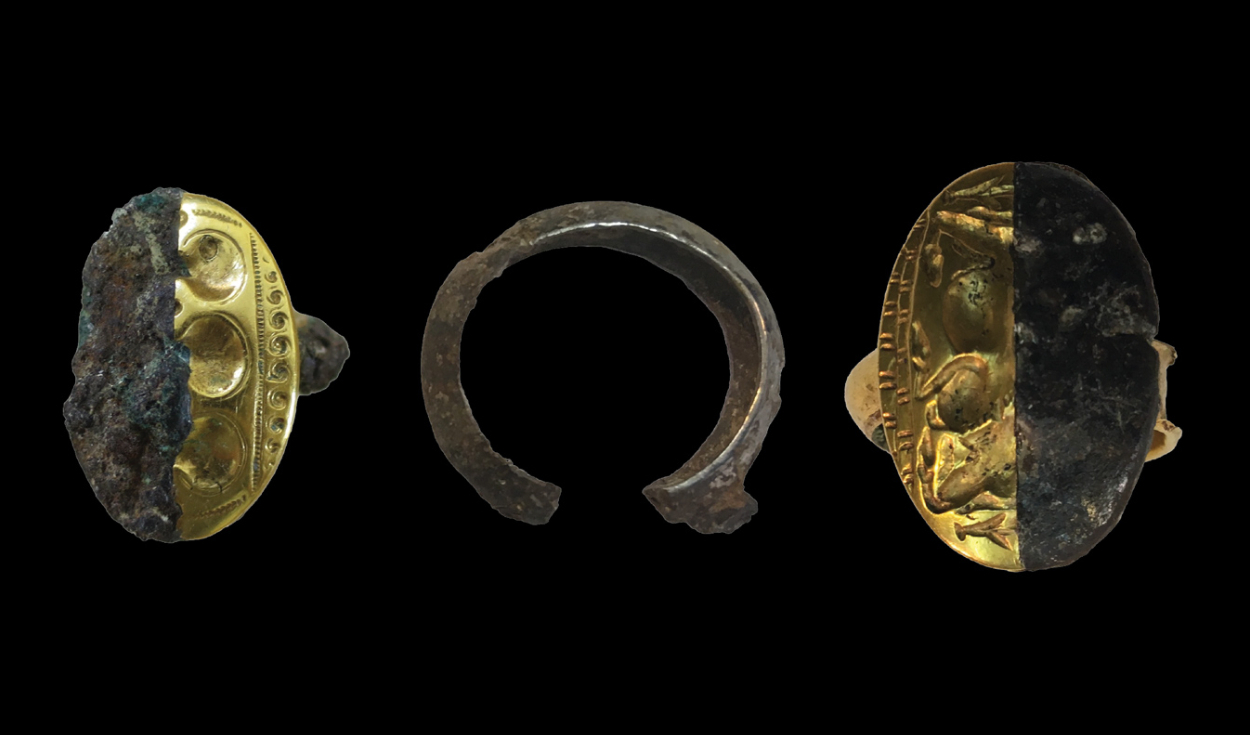
Ancient Minoan and Mycenaean elites in Greece and Crete wore rings crafted from meteoric iron long before iron smelting became routine, a new study reveals. The study, published in the Journal of Archaeological Science, sheds light on how ancient cultures used space rocks before smelting technology spread.
Until now, researchers were uncertain if Bronze Age Greeks utilized meteoric iron because traditional testing methods risked damaging valuable museum artifacts. Furthermore, archaeologists lacked precise timelines for when iron smelting originally began across ancient Greece.
Researchers overcame testing limitations by using portable X-ray instruments that analyze metal composition without harming delicate objects. The non-destructive technology allowed scientists to examine 91 iron artifacts from 33 archaeological sites preserved across 19 museums.
Because meteoric iron naturally contains high concentrations of nickel, the team measured nickel levels in each item to identify extraterrestrial origin. Out of 91 objects tested, 13 displayed nickel concentrations compatible with meteorites, with 10 deemed highly likely meteoric and three requiring further testing.
Rings as Elite Power Symbols
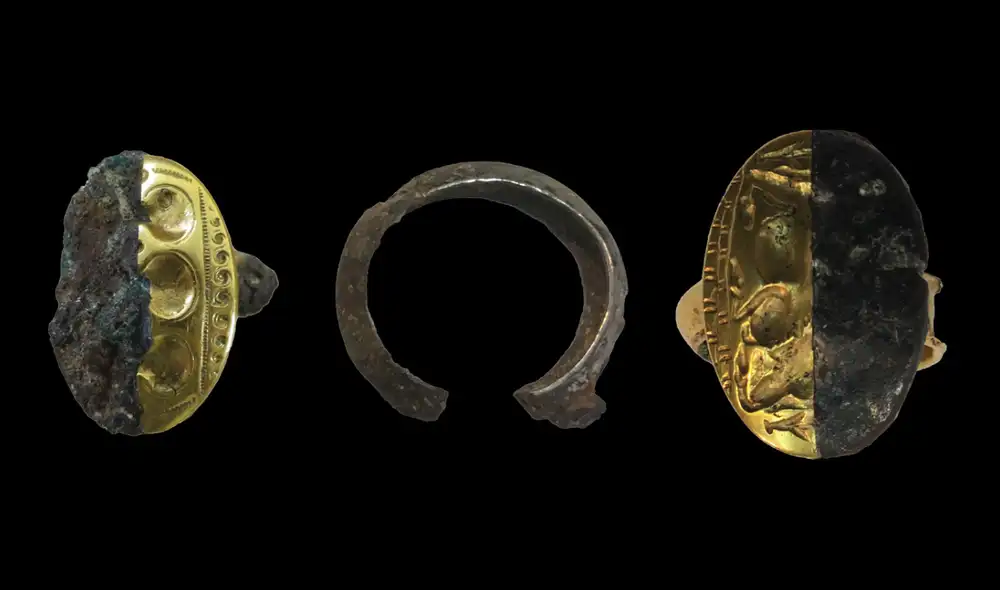
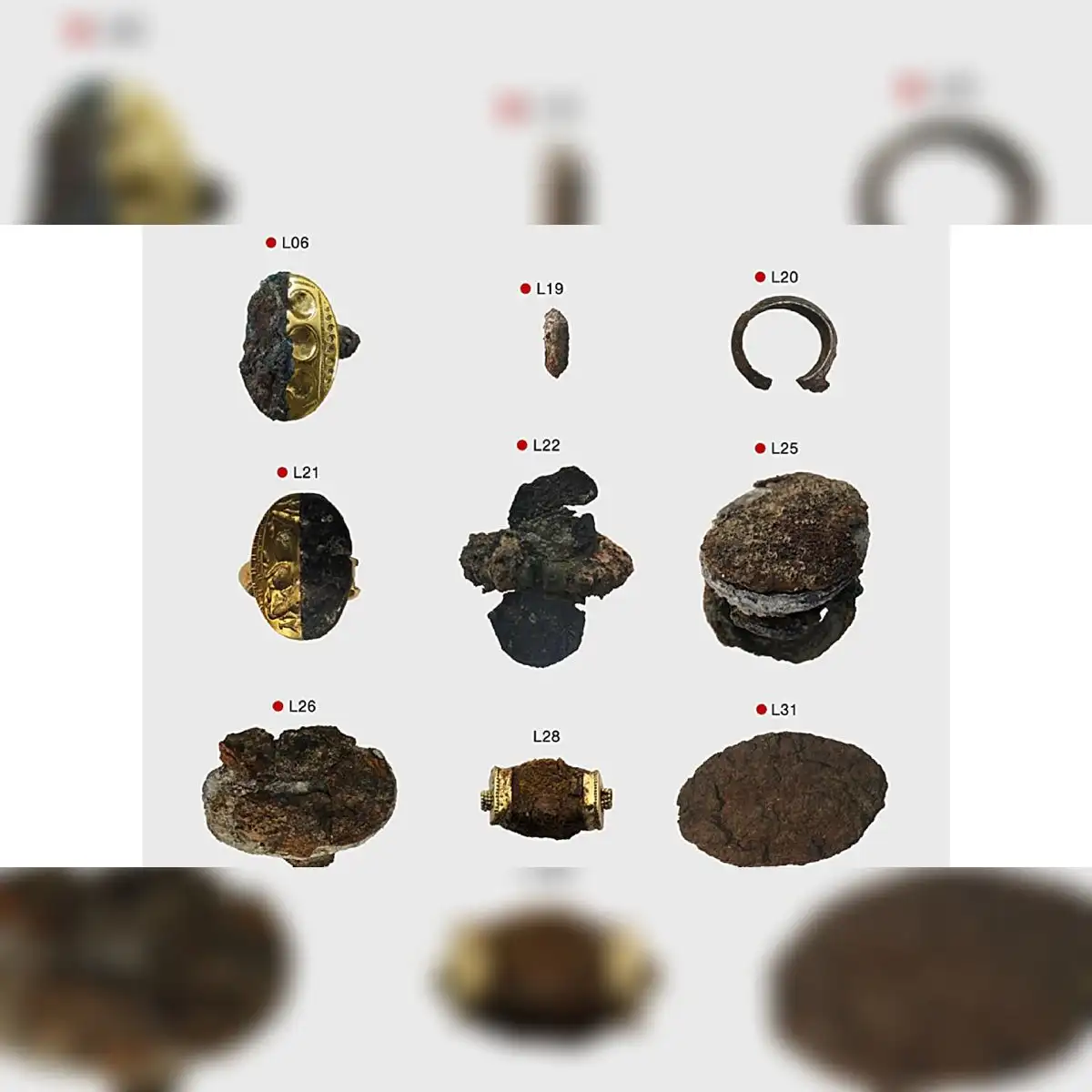
The analysis produced a striking result: among all tested tools, weapons, and ornaments, only rings contained chemical signatures matching meteoric iron. Most of these rings were recovered from richly furnished chamber tombs and tholos tombs linked to palatial centers in Mycenae, Vapheio, and Kakovatos.
The researchers noted that combining iron with gold, silver, or bronze reinforces the idea that these pieces served as symbols of status and power. They stated that the owners were likely nobles and high-ranking members of the elite who possessed rare wealth.
The only non-palatial ring came from Anemospilia. Archaeologists discovered it directly on the finger of a man interpreted as a high-ranking priest.
Global Context and Potential Imports
Previous archaeological discoveries have identified meteoric iron in Bronze Age objects from Egypt, the Near East, Europe, and Asia. A well-known example is a meteoric iron dagger recovered from the tomb of Pharaoh Tutankhamun, which dates to approximately the 14th century BC.
The authors noted that ancient societies across the globe exploited meteoric iron for practical, ceremonial, and magical items. They explained that Inuit communities in northern Greenland made tools from Cape York meteorites, pre-Columbian peoples carved meteorite jewelry, and ancient Egyptians crafted protective talismans for camel herds.
Iron meteorites are difficult to find in Greece because local weather rapidly corrodes exposed metal, whereas arid climates in regions like Egypt preserve them better. Researchers suggested the raw meteorites used in Greek rings might have been imported from Egypt, though no direct evidence proves their origin.
Transition to Smelted Iron
Twelve of the 13 nickel-rich artifacts date to the Late Bronze Age, while rings from later periods show no high nickel concentrations. The trend of crafting rings from space rocks vanished around or before the collapse of the Mycenaean palatial system.
This disappearance coincided with the expansion of iron smelting technology. Researchers confirmed 78 studied objects were made from smelted iron, with the earliest undisputed pieces dating to the 14th to 13th centuries BC: a pendant from Dendra and a ring from Skoura.
Those two artifacts are the only items in the study showing contemporary use of both smelted and meteoric iron. The team stated that smelted iron production began to flourish after the fall of the palaces between the 12th and 11th centuries BC, lagging slightly behind the Near East.



