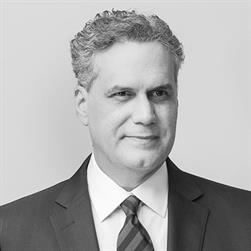
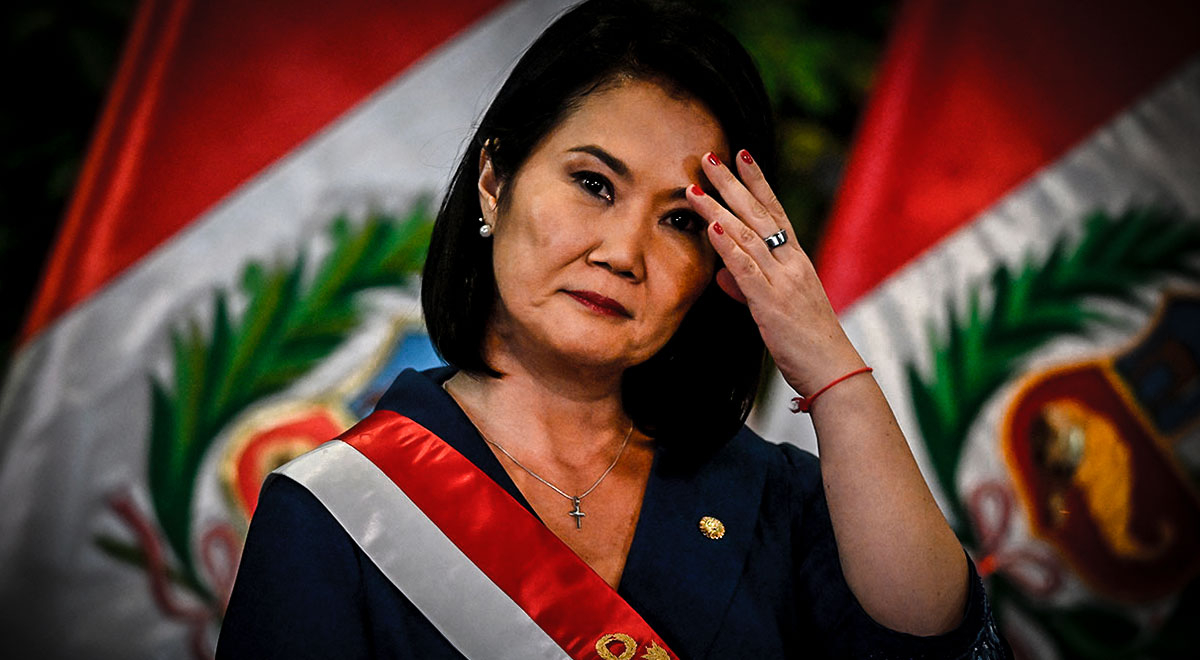
Spanish opposition leader Alberto Núñez Feijóo visited the North African enclave of Ceuta on Monday alongside European political allies to support returning migrants who crossed the border during a major surge earlier this year.
The visit on September 21 marked Feijóo's fourth trip to Ceuta since a border breach occurred on July 30, 2026. The leader of Spain's main opposition People's Party was joined by the president of the European People's Party, the primary center-right political group in the European Union.
During the delegation's visit, representatives expressed full support from the European People's Party for deporting individuals who entered illegally. Party leaders stated that the breach violated the territorial integrity of the European Union, arguing that Ceuta is part of Spain and Spain is part of the European Union.
European Allies and Border Pressure
Ceuta is a Spanish autonomous city situated on the North African coast, surrounded by Morocco and the Mediterranean Sea. Along with the nearby Spanish city of Melilla, its fortified perimeter fence forms one of only two direct land borders between the European Union and Africa.
The high-level political visit coincided with new security concerns along the border. The Embassy of Spain in Rabat informed the Spanish government that a fresh entry attempt through Ceuta had been promoted and announced for September 23, 2026, to coincide with national elections in Morocco.
Local infrastructure and public services in Ceuta remain under heavy strain from previous border crossings. Rigorous sources estimate that around 20,000 migrants who entered during the July 30 breach remain inside the enclave, creating significant daily challenges for local residents.
Government Migration Policy Debate
The situation in North Africa has sparked intense debate in Madrid regarding the national government's handling of border control and unaccompanied minors. Minister of Youth and Children Sira Rego, a communist member of the governing coalition, stated that all minors who wished to remain would stay in Spain.
Rego's stance has drawn sharp criticism from opposition figures who argue that offering guaranteed residency encourages unlawful crossings. Writing in an opinion article published by World Stock Market on September 22, former Spanish Interior Minister Jorge Fernández Díaz claimed that the policy creates a pull effect that directly benefits criminal human-trafficking networks.
Fernández Díaz urged Spanish society to organize a peaceful, legal, massive, and urgent response to the policy. He stated that the administration's border management demonstrates either gross incompetence or conduct that requires constitutional intervention.
Constitutional Mechanisms and Parliamentary Hurdles
In his analysis, Fernández Díaz pointed to Article 102.1 of the 1978 Spanish Constitution, which governs legal accountability for cabinet ministers. The constitutional provision specifies that criminal charges against the prime minister or ministers for treason or offenses against state security must be brought before the Criminal Chamber of the Supreme Court in Madrid.
Initiating prosecution under Article 102.1 requires a formal motion signed by at least one-quarter of the members of the Congress of Deputies, amounting to 88 lawmakers in the 350-seat chamber. To move forward to trial, the initiative must subsequently win approval from an absolute majority of deputies.
However, any parliamentary effort to invoke Article 102.1 faces overwhelming political obstacles. Secessionist parties and deputies from the Basque nationalist coalition EH Bildu serve as decisive parliamentary allies of the governing coalition, making their support for such a measure highly unlikely.
To restore order quickly, Fernández Díaz suggested that the scale of the ongoing territorial breach could warrant declaring a state of exception or a state of siege. Such constitutional emergency powers would aim to allow authorities to execute rapid deportations of individuals who entered the enclave unlawfully.