A viral social media analysis by TikTok creator @starplatinumsui has pushed back against claims that artificial intelligence servers are draining global freshwater reserves, showing that daily consumer goods and agriculture consume vastly more water than AI queries.
Reporting on the debate from Madrid, journalist Luis Calabor detailed how public anxiety over data center resource usage has grown as artificial intelligence tools become embedded in daily life. Addressing those concerns, the TikTok analyst argued that users are being made to feel guilty about spending water while using artificial intelligence, while the public ignores where the planet's water is actually being spent.
Although technology infrastructure requires significant water volumes to cool servers in massive data centers, global consumption figures show a starkly different reality when compared to everyday human activities and industrial production.
Real Water Consumption Figures of AI Queries

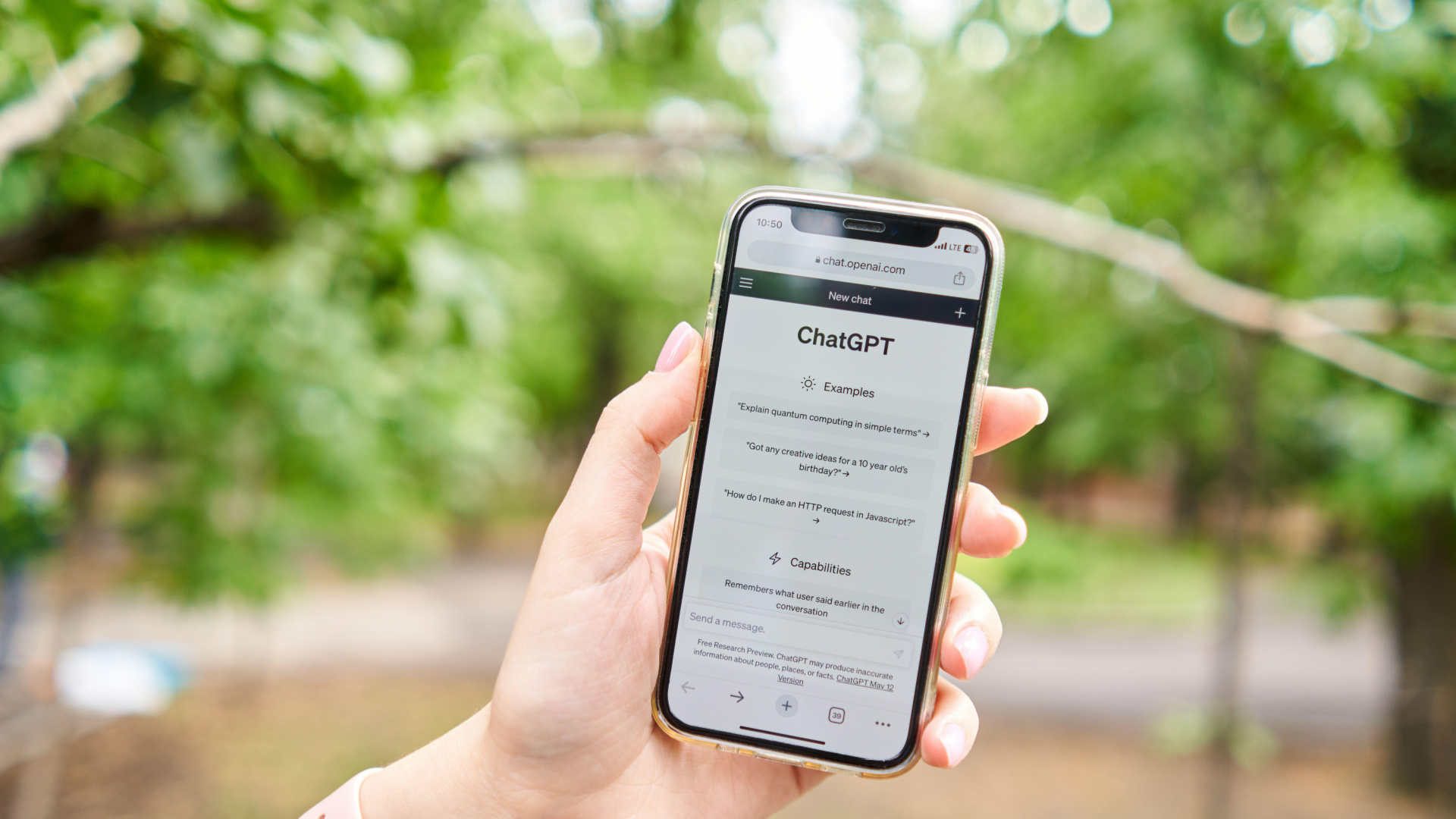
To evaluate the debate, the analysis examined the exact figures behind artificial intelligence processing. Research indicates that generating ten responses through an artificial intelligence model like ChatGPT consumes approximately half a liter of water. Data centers rely on liquid cooling systems and evaporative cooling towers to manage heat generated by high-density microprocessors operating continuously.
The analyst warned against the alarmist bias used when presenting these numbers to the public. He stated categorically that framing the situation as artificial intelligence leaving the planet without water was false. The primary reason is that the overwhelming majority of global freshwater usage does not originate from computer servers in Silicon Valley.
Global environmental statistics show that approximately 72 percent of all freshwater extractions worldwide come directly from agriculture. Farming, crop irrigation, and livestock management represent the primary sector of the global economy, accounting for the vast majority of water drawn from rivers, lakes, and underground aquifers.
Agricultural and Industrial Water Footprints

To provide context for artificial intelligence resource demands, the analysis compared the water footprint of technology against everyday consumer goods. The contrast highlights how traditional manufacturing and agriculture consume water at scales far larger than digital infrastructure.
The production of cacao requires immense volumes of water. The analyst explained in his video that producing a single kilogram of chocolate consumes an average of 17,000 liters of water. Similarly, manufacturing clothing carries a substantial environmental footprint, with the production of one pair of denim jeans requiring an average of 7,500 liters of freshwater.
The impact of major multinational food and beverage corporations is equally decisive in global water consumption. Reports from Swiss food group Nestlé indicate that the company extracted 96.1 billion liters of water for its operations. Meanwhile, The Coca-Cola Company reported in 2024 that it uses 1.78 liters of water for every single liter of soft drink it manufactures. The analyst pointed to these industrial figures to demonstrate the massive scale of corporate water extraction compared to technology server cooling.
Evaluating Green Alternatives and Labor Impacts

Environmental concerns over digital infrastructure have spurred the creation of tools marketed as sustainable alternatives, such as Eco GPT, an artificial intelligence tool that promises to fund tree planting. However, the TikTok analysis dismantled the claims made by the product.
The creator noted that claims about Eco GPT were false because the tool relies on Google databases rather than operating independent infrastructure. He added that its response model is much more primitive than major artificial intelligence platforms on the market, forcing users to submit many more queries to achieve acceptable results. Although he acknowledged the positive intention of planting trees, he concluded that the current product is not comparable to established artificial intelligence tools.
The analyst emphasized that while artificial intelligence does consume water and must be monitored and regulated, public attention and policy focus must remain on the sectors where water is truly being spent. In a related comment on technology trends, technology expert Nate Gentile noted that customer service would be the profession most affected by artificial intelligence expansion, adding that the shift is already occurring because those roles are easily replaced.
The global debate over technology's environmental footprint continues as digital infrastructure expands worldwide. While artificial intelligence systems draw fractions of a liter per query, the core challenges facing global freshwater reserves remain centered on agricultural irrigation, textile manufacturing, and mass beverage production.