
Dominican Republic newspaper Diario Libre published seven simple habits to reduce workplace stress on Saturday, August 15, 2026, marking World Relaxation Day.
The publication highlighted that taking short breaks during working hours is an effective tool to ease tension, clear the mind, and improve focus rather than a waste of time.
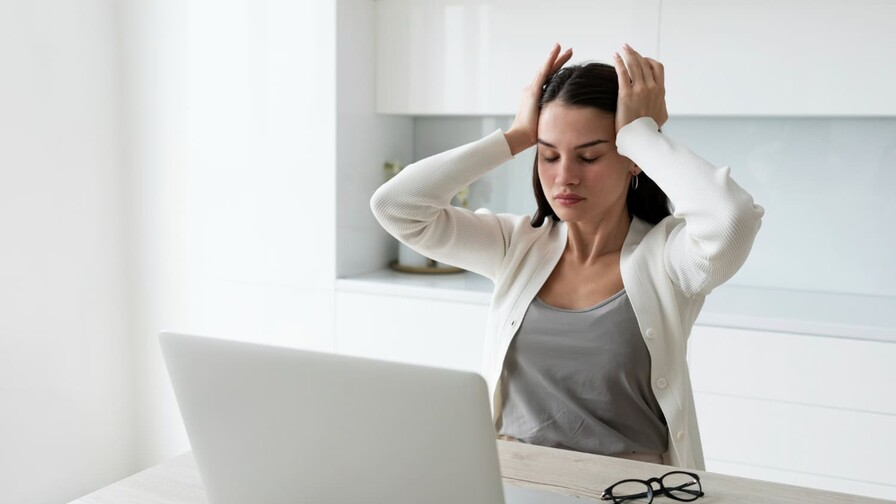
Diario Libre, a leading daily newspaper headquartered in Santo Domingo, released the recommendations at 9:00 a.m. local time on Saturday. World Relaxation Day is observed globally every year on August 15 to raise awareness about stress management and personal well-being in professional environments.
The report advised workers to begin the workday without rushing. Arriving at work in a hurry can establish a stressful tone for the entire day. To counter this, employees were advised to set aside a few minutes before starting tasks to organize priorities, take deep breaths, and review planned duties. Diario Libre noted that maintaining a realistic plan helps prevent the feeling of constantly managing workplace emergencies.
Conscious Breaks and Stress Control
To manage ongoing workload pressures, the guide urged workers to take scheduled breaks rather than waiting until total exhaustion sets in. Standing up from desks, stepping away from screens, stretching, looking out a window, or closing one's eyes for a couple of minutes can restore mental clarity.
The Santo Domingo newspaper specifically recommended taking an active break of three to five minutes after every 60 minutes of continuous work. Alternatively, workers were advised to take a longer break of 10 to 15 minutes every two hours, noting that structured rest is more restorative than continuing to work on automatic pilot.
Diario Libre also stressed the importance of pausing before responding to workplace triggers such as urgent emails, prolonged meetings, or unexpected situations. Taking several slow, deep breaths before answering an irritating message or starting a difficult conversation provides a crucial gap between stimulus and response, helping workers react with greater composure.

Lunch Disconnections and Physical Activity
The guidance emphasized transforming lunchtime into a genuine period of rest away from work duties. Eating in front of a computer screen hinders real mental disconnection. Workers were encouraged to change environments, put away mobile phones, and enjoy meals without rushing.
When eating alongside colleagues, employees were advised to discuss non-work topics. For those eating alone, Diario Libre suggested clearing the mind by reading a book, listening to music, or taking a short nap if the setting allows. The daily specified that lunch periods must remain entirely free of work emails, business calls, and pending assignments.
Physical movement was highlighted as another vital method to release accumulated body tension. Walking for a few minutes, taking the stairs, performing light stretches, or shifting posture helps relieve muscle stiffness caused by long hours of sitting. Diario Libre suggested converting meetings that do not require a screen into brief walking discussions.
Digital Noise and End-of-Day Rituals
To address mental fatigue, the publication advised reducing digital noise throughout the day. Constant notifications keep the brain in a state of permanent alert. Silencing non-essential alerts, checking email only at designated times, and avoiding immediate responses to every message can restore calm. The outlet observed that constant availability does not necessarily equate to higher productivity.
Finally, Diario Libre recommended establishing a closing ritual at the end of the workday to signal the transition to personal time. Before turning off the computer, workers should spend a few minutes writing down pending tasks for the following day. Storing electronic devices and engaging in relaxing activities, such as walking, reading, listening to music, or sitting in silence, completes the daily routine. The media outlet concluded that World Relaxation Day serves as a practical opportunity to start adopting these small changes.