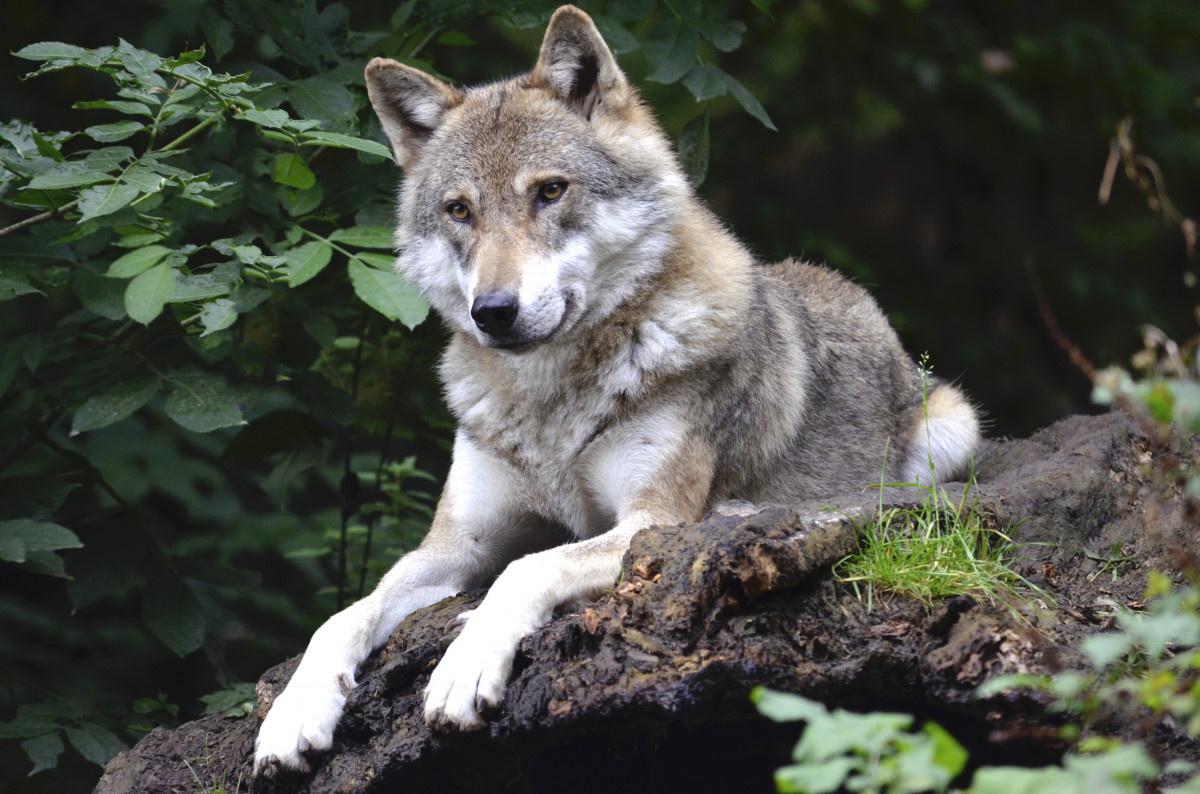
Wolves in northern Minnesota may be helping wild blueberries spread and reproduce more successfully, according to a new study reported by Science Blog. Seeds that passed through the digestive tracts of wolves germinated more often, and more quickly, than seeds taken directly from berries, researchers found.
Gray wolves are among the largest predators in North America and typically hunt hoofed animals such as deer, moose and elk. Minnesota is home to one of the largest wolf populations in the contiguous United States, with packs ranging across the state's northern forests.
Over two years, the research team collected five fresh samples of wolf droppings, each containing mostly digested berries. The samples were dried for three to four weeks and then frozen. Several months later, researchers manually extracted the wild blueberry seeds from them.
Comparing germination rates
The extracted seeds were placed on moist filter paper in laboratory dishes. As a control, researchers used seeds taken directly from intact wild blueberries. Both groups of seeds were grown under identical conditions inside a climate chamber.
The results favored the seeds that had passed through a wolf. Of 802 seeds recovered from the droppings, 96% germinated, compared with 69% of the 484 control seeds. Half of the wolf-passed seeds had germinated by day 19, while the control seeds took 26 days to reach the same point.
The study is the first to show that gray wolves can improve the germination of seeds from fruit they eat, the researchers said. They added that it remains unclear exactly why this happens and how large the effect is in the wild.
An unusual diet
Wolves are best known as predators of large hoofed animals, which makes their apparent taste for blueberries seem unusual. But in midsummer, wild blueberries can make up a significant share of a wolf pack's diet, the researchers noted. Past observations have even recorded an adult wolf regurgitating berries for its pups.
Spreading seeds across the landscape
The researchers also suggested that wolves could help spread blueberries over long distances by carrying seeds from one area to another as they travel and defecate. However, they have not yet measured how long seeds remain in a wolf's digestive tract, so it is too early to say how far seeds might actually be transported this way.
The study's author said the most striking part of the findings is that scientists are only now uncovering entirely new information about an animal as extensively studied as the wolf.