

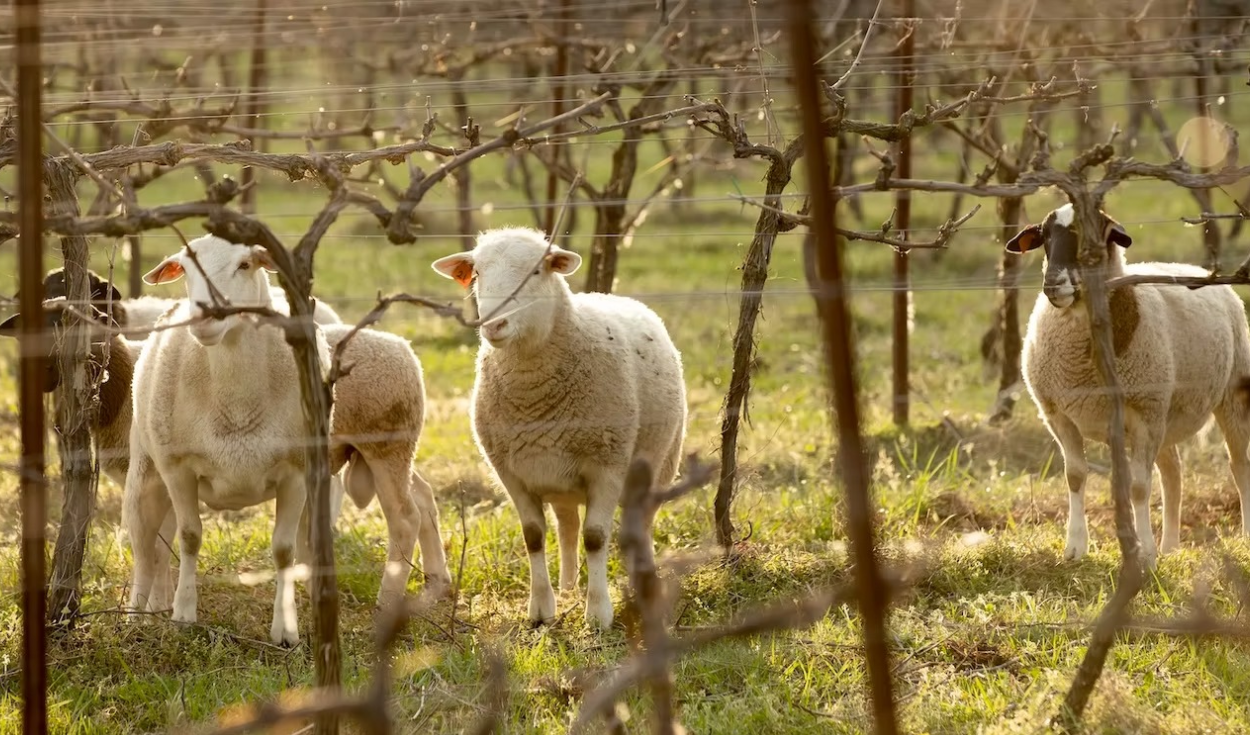
Farmer Alan Thibault has transformed soil health and cut costs at Riverside Vines in Virginia five years after introducing ten sheep to control vineyard vegetation.
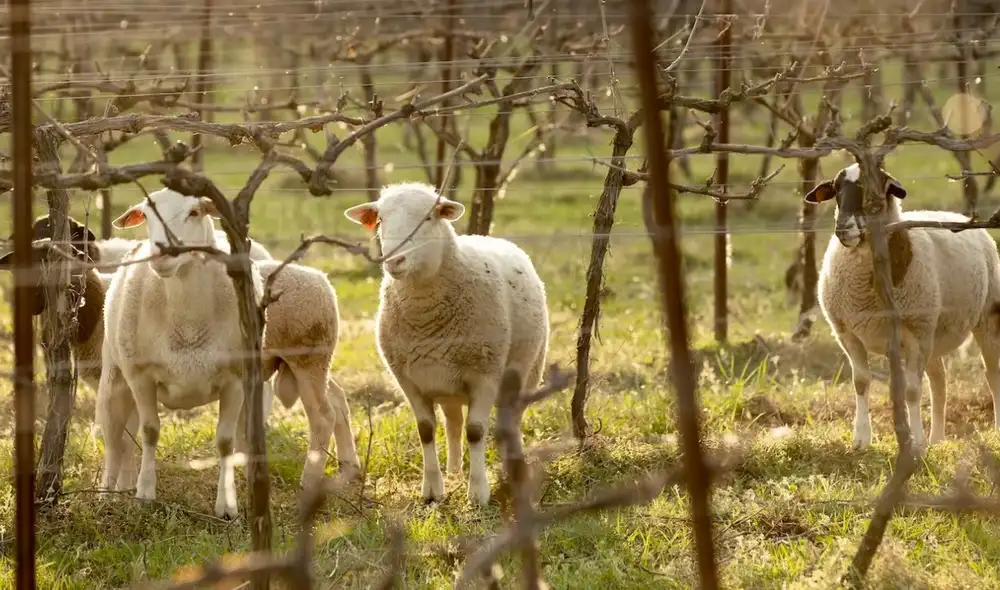
The initiative at Riverside Vines in Dinwiddie County has since expanded the flock from ten to approximately 100 Dorper sheep, enabling the agricultural operation to reduce its reliance on machinery, synthetic chemicals, and external farm inputs.
According to figures provided by Thibault, the integration of livestock has led to a 65 percent reduction in external inputs and a 40 percent drop in fungicide use. The vineyard has completely eliminated the use of synthetic fertilizers and synthetic herbicides.
Soil testing revealed a 400 percent increase in soil organic matter alongside a 350 percent rise in carbon capture. The results led Riverside Vines and associated operation Ashton Creek Vineyard to become the first winemaking operations in Virginia to earn Regenified certification, an industry credential evaluating soil health, biodiversity, and animal management practices.
Sheep Replace Mechanical Mowing
Under the grazing system, the sheep consume weeds and wild plants growing between rows of grapevines, significantly reducing the need for mechanical tractor mowing and weed cutting. As the animals graze, their manure is deposited directly onto the ground, incorporating natural organic matter straight into the topsoil.
Dorper sheep are a hardy hair sheep breed originally developed in South Africa in the 1930s by crossing Dorset Horn and Blackhead Persian sheep. Known for their resilience, thick skin, and ability to shed their coats naturally without requiring annual wool shearing, the breed is widely used in agricultural settings for efficient vegetation management and meat production.
The livestock are not left to roam freely across the vineyard property. Instead, farm managers rotate the flock through controlled grazing sectors measuring roughly four hectares each. The sheep are also permitted to nibble selected leaves around the grape clusters, a practice designed to improve air circulation around the fruit.
In humid viticultural climates like Virginia, managing under-row vegetation and canopy leaf density is vital for grape health. Dinwiddie County, located in south-central Virginia, experiences warm, humid summers where dense foliage around grape clusters can trap moisture and foster destructive fungal pathogens. By trimming excess leaves naturally, grazing sheep help wind and sunlight dry the fruit, minimizing the need for chemical spray treatments.
Eliminating Synthetic Chemicals
Beyond introducing livestock, the Thibault family introduced diversified cover crops between the vineyard rows and deployed beneficial insects to target agricultural pests. These ecological controls allowed the vineyard to phase out synthetic chemicals entirely while maintaining plant health.
Cover crops, such as legumes and grass mixtures, protect bare topsoil from water erosion while pulling nutrients deep into the earth. Integrated pest management relies on natural predatory insects, such as ladybugs or parasitic wasps, to suppress harmful pest populations without resorting to chemical insecticides that can damage soil biology and beneficial insect populations.
Thibault explained that the family really wanted to solve the root cause of their agricultural challenges rather than continually treating the symptoms. He noted that the shift toward ecological management was essential for ensuring that the vineyard remains financially and environmentally viable over the long term, adding that they were excited to build something sustainable for the next generation.
Soil Organic Matter and Certification
Regenerative agriculture represents a land management framework designed to restore soil health, enhance biodiversity, and improve natural water cycles. Unlike conventional industrial farming that relies heavily on chemical fertilizers and synthetic herbicides, regenerative practices focus on minimal soil disturbance, living plant cover, and integrating livestock to rebuild natural microbial ecosystems in the earth.
Soil organic matter consists of plant debris, microbial biomass, and nutrient-rich humus that retains moisture and supplies nutrients to crops. Higher organic matter levels dramatically improve the soil's capacity to absorb rainfall while storing atmospheric carbon deep underground, turning agricultural fields into functional carbon sinks that mitigate climate impacts.
Earning Regenified certification required independent verification of the soil improvements at both Riverside Vines and Ashton Creek Vineyard. Regenified is a national certification program that evaluates agricultural operations on rigorous criteria, including topsoil health metrics, biodiversity indicators, rotational livestock management, and the systemic reduction of synthetic farm inputs.
National Context and Future Goals
The success at Riverside Vines comes as regenerative farming methods gain broader momentum across the United States. In December 2025, the Natural Resources Conservation Service launched a 700 million dollar pilot program to support voluntary conservation initiatives focused on improving soil health, water management, and agricultural productivity.
The Natural Resources Conservation Service operates as an agency under the United States Department of Agriculture, providing technical expertise and financial assistance to private farmers, ranchers, and forest landowners who voluntarily adopt conservation practices on working lands.
Thibault emphasized that securing Regenified certification marks an ongoing milestone rather than the end of their efforts. He stated that the family intends to continue increasing soil organic matter, capturing additional atmospheric carbon, and making a positive difference in the climate and the local community.



