


The United States Navy is developing a new compact stealth torpedo designed to be launched from carrier-based and ship-borne drones, a move intended to transform underwater warfare. Naval Air Systems Command outlined the preliminary requirements for the weapon, named the Silent Anvil Air-Launched Torpedo, known as the SAA-LT.
According to preliminary specifications released by the Navy, the Silent Evil Anvil torpedo measures approximately 1.78 meters in length and has a maximum weight of about 122 kilograms. These compact dimensions place the munition in a far lighter category than heavy naval torpedoes currently fielded by armed forces, allowing it to be integrated into unmanned aerial platforms that previously could not carry underwater weapons.
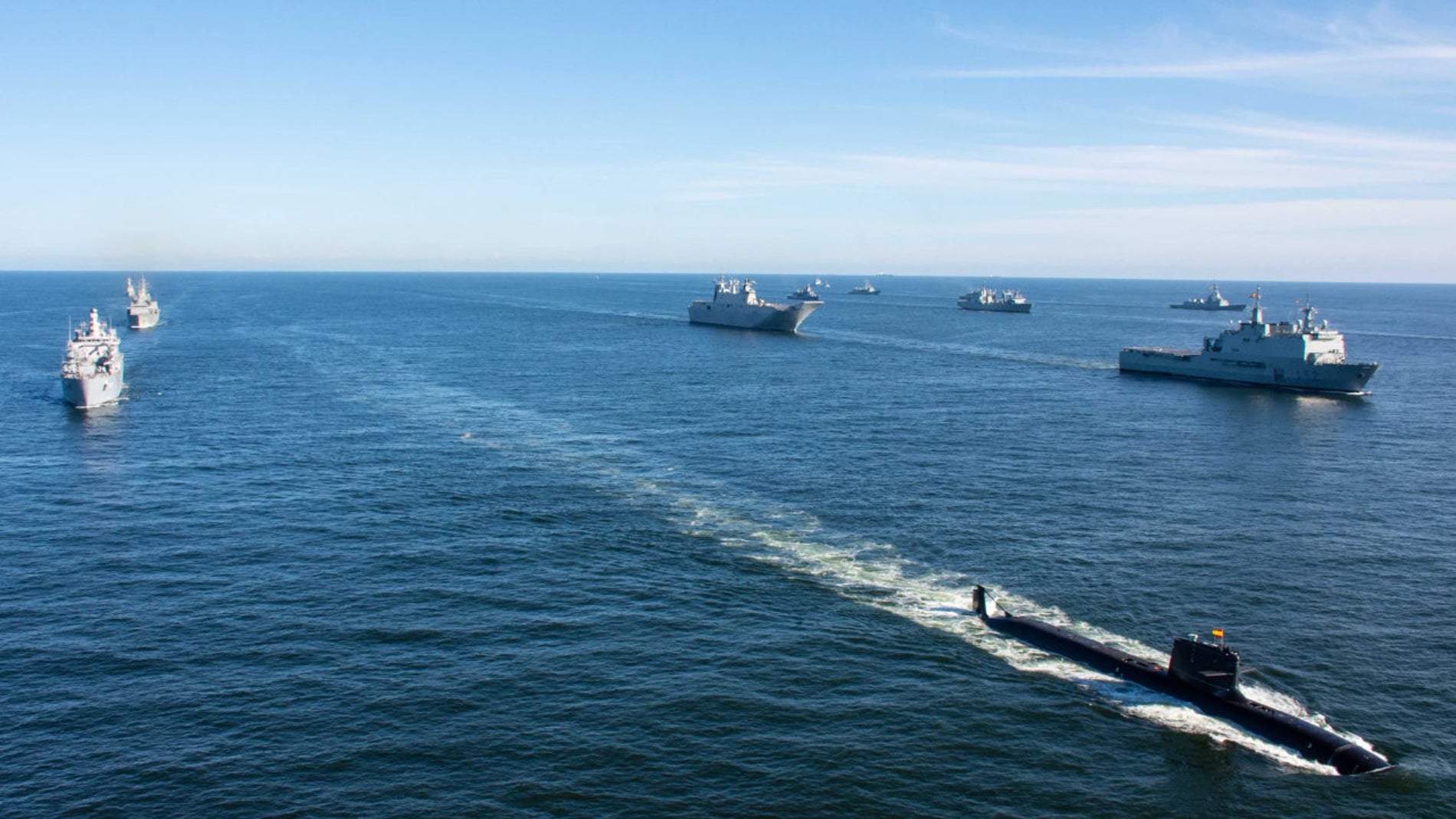
Naval Air Systems Command, based at Naval Air Station Patuxent River in Maryland, provides material support and technological development for US naval aviation platforms and weapon systems. The introduction of air-dropped torpedoes tailored for unmanned platforms represents a significant evolution in maritime defense, expanding how armed forces counter undersea threats.
A key objective of the program is to ensure the new torpedo can be easily mounted on the standard BRU-61/A carriage rack, a launch system widely deployed across various manned and unmanned aircraft. The pneumatic rack is typically used to carry GBU-39B precision glide bombs, which share a similar weight profile with the planned Silent Anvil torpedo.
By designing the torpedo to fit existing carriage systems, the Navy aims to leverage platforms already in service without requiring extensive airframe modifications. This compatibility simplifies integration across fleet aircraft while reducing operational deployment costs.
Beyond its reduced footprint, the defining technical emphasis of the Silent Anvil project is acoustic and detection discretion. Navy requirements mandate that the torpedo approach underwater targets while maintaining a very low detection signature.
Because submarines rely entirely on remaining hidden in ocean depths, launching a torpedo that can track and attack them without prematurely revealing its presence presents a formidable engineering challenge. Achieving low-signature operation is seen as critical to overcoming modern submarine acoustic countermeasures.
Expanding Unmanned Anti-Submarine Warfare
Shrinking an air-launched torpedo to dimensions comparable to a small diameter bomb will enable a broader range of military aircraft to conduct anti-submarine warfare missions. Unmanned aerial vehicles such as the MQ-9 Reaper could be converted into active submarine hunters, serving as strike vectors to support fleet operations.
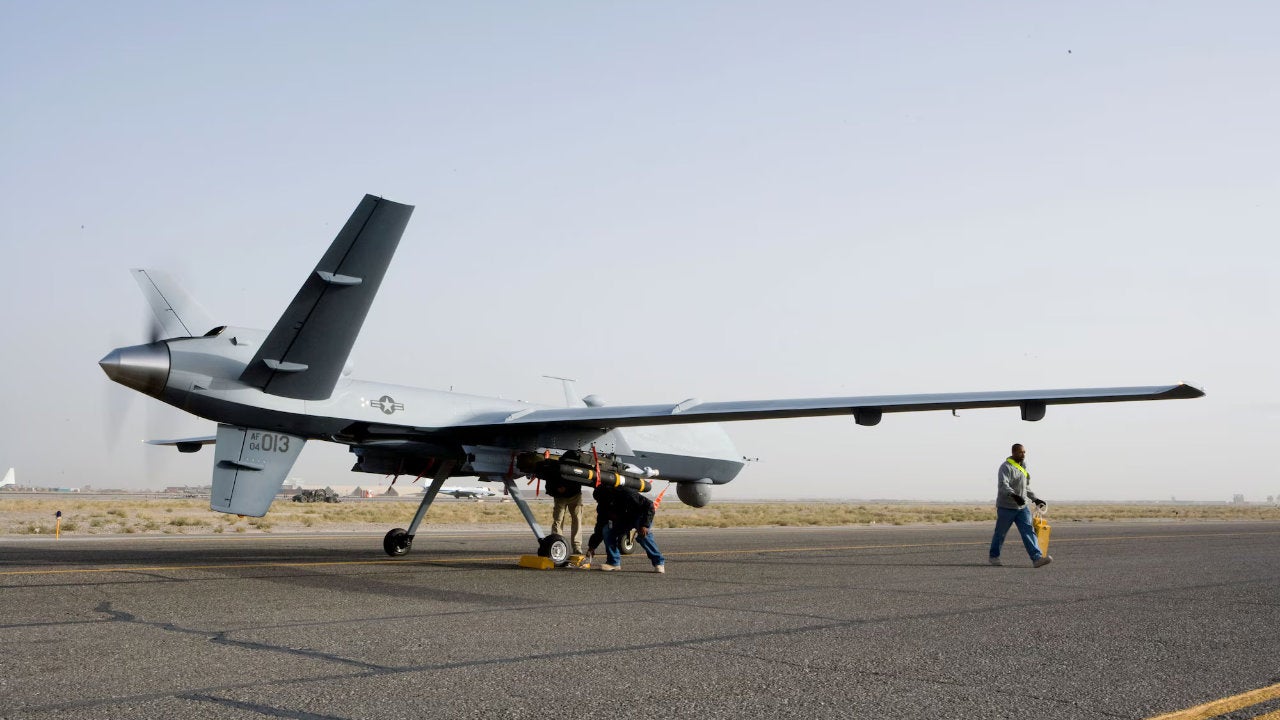
The MQ-9 Reaper, manufactured by General Atomics Aeronautical Systems, is a medium-altitude, long-endurance remotely piloted aircraft used extensively by the US military for surveillance, intelligence gathering, and precision strikes. Outfitting the Reaper with specialized anti-submarine torpedoes would give commanders a persistent hunter capability without risking aircrews.
Until now, primary airborne anti-submarine duties for the US military have relied heavily on the Boeing P-8A Poseidon, a specialized maritime patrol aircraft designed to detect, track, and attack submarines using sonobuoys and heavy torpedoes. The introduction of compact torpedoes compatible with unmanned platforms allows anti-submarine capacity to be distributed across a significantly larger fleet of aircraft.
The Boeing P-8A Poseidon, derived from the commercial 737-800 jetliner, serves as the US Navy's primary long-range maritime patrol aircraft. While the P-8A provides extensive sensor processing and heavy strike capability, pairing it with smaller autonomous drones expanded across wide ocean sectors enhances operational reach.
Strategic Competition in the Pacific Theater
The initiative comes amid growing strategic focus on the Pacific region, where China's expanding naval power has prompted the United States to seek innovative methods to counter surface and submarine threats.
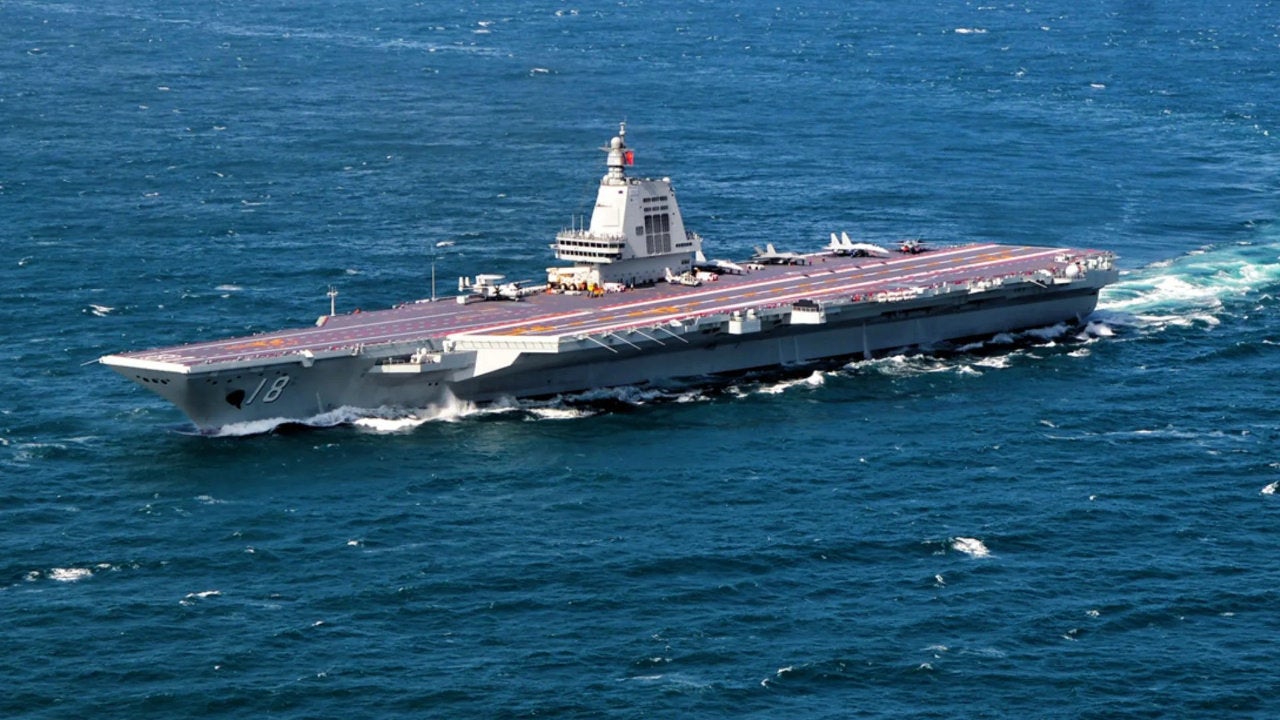
China's rapid naval modernization includes the deployment of advanced surface combatants and aircraft carriers, such as the Fujian, its third carrier and the first designed with electromagnetic catapults. As regional naval activity increases, control of underwater sea lanes has become a central strategic priority for military planners.
If the Silent Anvil project reaches fruition, anti-submarine warfare will increasingly shift away from sole reliance on large manned aircraft toward an integrated combination of artificial intelligence and autonomous platforms. Unmanned systems can assume high-risk operational missions over contested waters, while advanced algorithms rapidly process vast amounts of sensor data collected from marine networks.
Military experts project that the true transformation in undersea combat will occur when detection, tracking, and target engagement operate within a unified, partially autonomous architecture.
Drones and Modern Battlefield Transformation
The growing role of unmanned platforms in maritime and land combat reflects a broader shift across global militaries. Spanish General Zacarias Hernandez said that drones, electronic warfare, and artificial intelligence have rendered the contemporary battlefield transparent and lethal.
Concerns over autonomous strike capabilities have also drawn international scrutiny. United Nations expert Jimena Viveros warned that the potential damage inflicted by drone technology could reach levels of destruction comparable to weapons of mass destruction, emphasizing that these technological developments were already underway.
The Navy's push into drone-launched munitions coincides with broader military modernization efforts across other service branches. The United States Army recently received its first XM30 armored vehicle, a platform intended to prepare ground forces for future combat dominated by drone systems and automated threats.
Whether the Silent Anvil Air-Launched Torpedo can meet all of its ambitious performance targets remains to be demonstrated in testing. However, the program highlights a clear defense trajectory toward smaller, smarter, and more rapidly deployable weapons systems that maintain high operational effectiveness while altering long-standing principles of undersea concealment.



