The United States Department of Defense has tested a system that recharges combat drones with a laser beam while they remain in flight, removing the need for the aircraft to land to refuel.
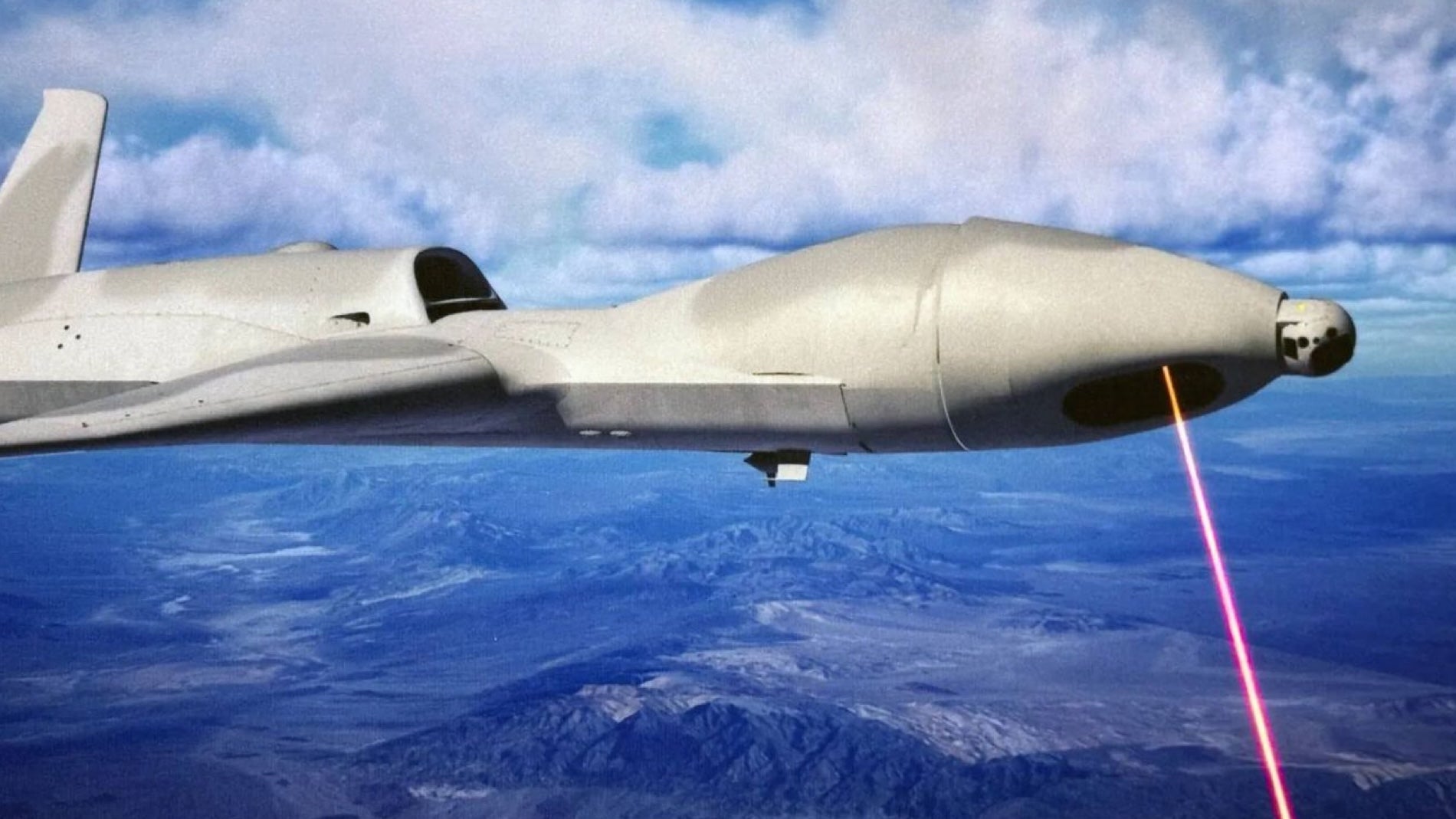
Standard consumer drones, including recognizable brands such as DJI, rely on lithium batteries that limit how long they can operate. The Department of Defense's research aims to eliminate the forced need to land a combat drone to recharge it and continue its mission, according to the report. For reconnaissance or surveillance missions, that limitation can turn into a costly failure if the drone has to stop working.
How the laser recharging system works
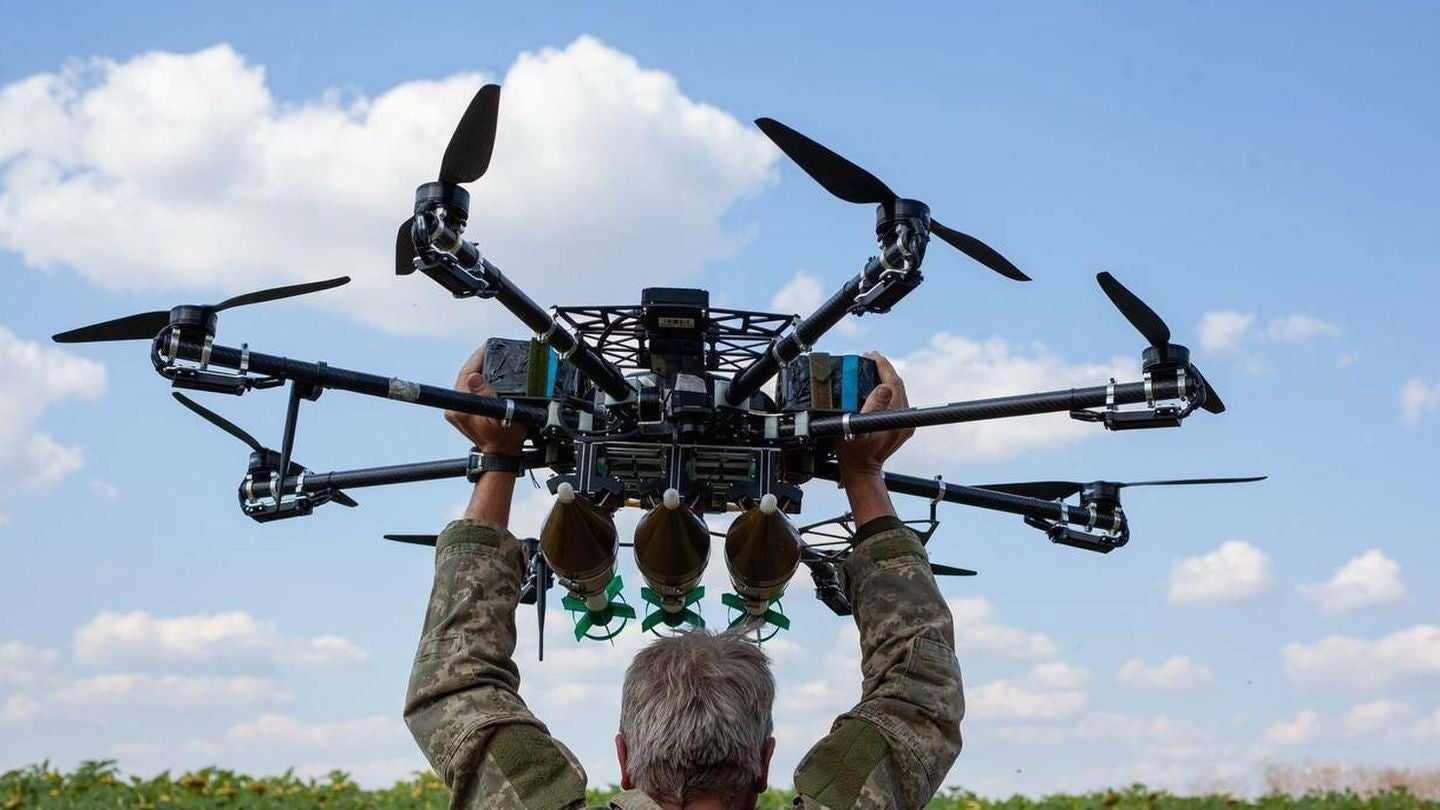
According to HDBlogIt, the tests transferred 1 kilowatt of power to a drone at altitudes of up to approximately 1,500 meters. A laser transmitter on the ground tracks the drone, while a photovoltaic receiver on the underside of the aircraft converts the laser into electricity. That power can run all of the drone's onboard systems and recharge its battery without interrupting radio communication or sensor activity, the report said.
A weather-dependent limitation
The technology has one drawback that is not related to the system itself: the laser beam requires a clear line of sight, and cloudy weather or other adverse atmospheric conditions can affect the process. A precise safety system is needed to make sure the laser does not strike unintended objects.
The report describes the technology as useful for military surveillance operations and potentially combat missions, where drones running low on battery would otherwise be left exposed.