The United States Air Force is funding a new wireless energy transmission system that allows military drone swarms to recharge while flying in mid-air.
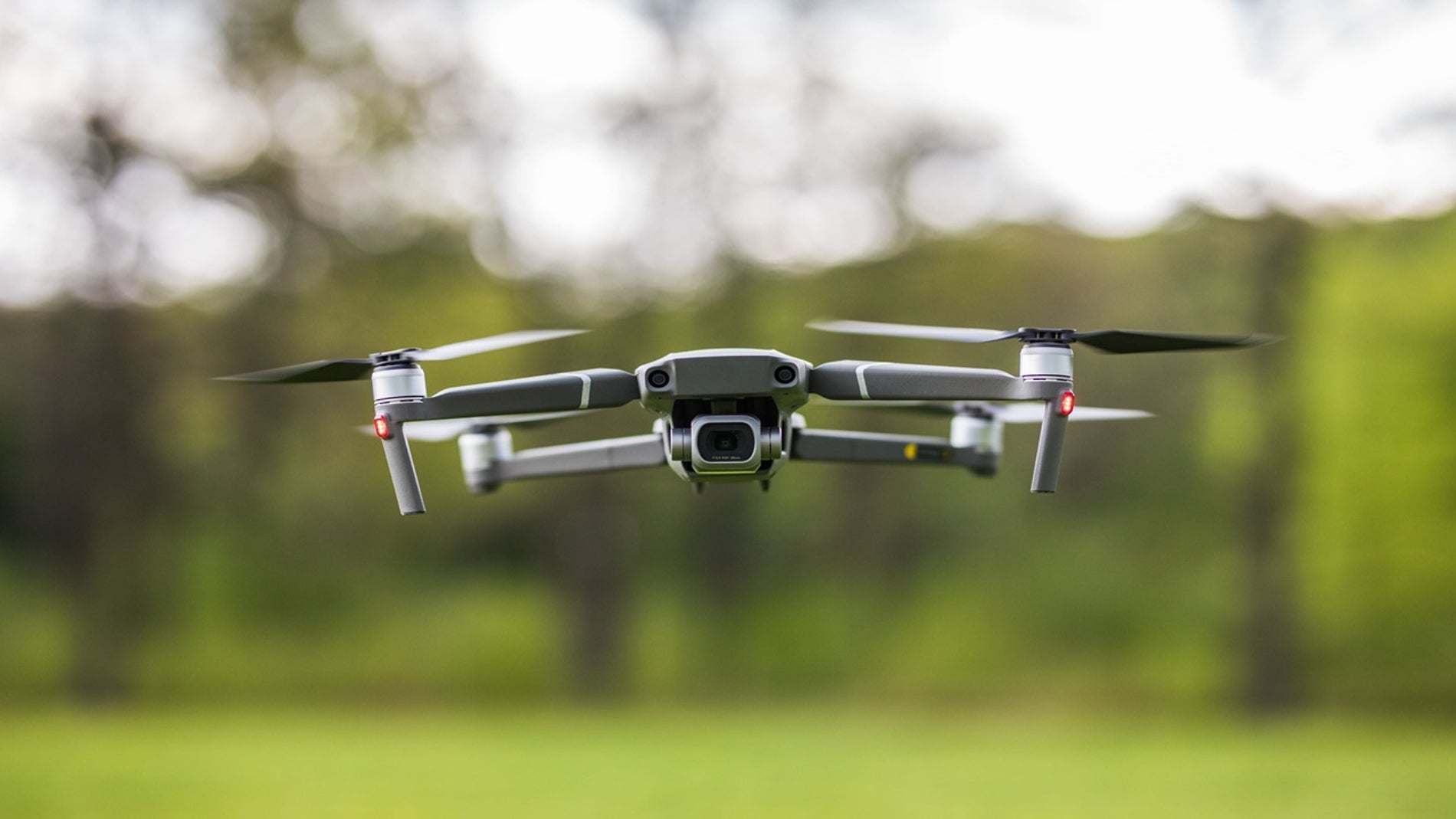
The technology aims to solve a major operational bottleneck facing small, low-cost unmanned aerial systems known as Group 1 drones. These small aircraft currently have a flight autonomy of barely 30 minutes. By the time a swarm coordinates in the air, the available time to complete a mission is drastically reduced, forcing troops to abort operations before reaching key targets.
Engineers determined that increasing battery size was not viable because added weight eliminates key tactical advantages, turning drones into slow targets and raising costs. Standard procedures previously required soldiers to manually install power sources before each takeoff, creating a dangerous logistical chain for troops in hostile environments.
To eliminate this vulnerability, the Air Force Operational Energy Capability Improvement Fund awarded strategic financing to the Scalable Wireless Airborne Recharge Array project. According to a report published by news outlet Interesting Engineering, the project pairs wireless energy transmission technology from Reach Power with artificial intelligence systems from Gambit.
Artificial intelligence for swarm survival
The mechanism projects energy beams wirelessly to specific waypoints in the sky. Aircraft fly to these invisible coordinates and absorb the necessary energy mid-mission, eliminating the need to land or require human assistance on the front line.
The digital brain developed by Gambit allows each drone to evaluate its own battery level in real time. Processing millions of data points per second, individual units decide independently when to head to enabled airborne recharge points without receiving direct commands from an operator.
Under this system, the swarm manages its energy supply fully autonomously. Aircraft create an orderly flow and take turns recharging while remaining units maintain position over enemy territory. The Office of the Deputy Assistant Secretary for Operational Energy Resilience and Optimization supervises the development, noting that removing ground logistics multiplies the lethality of unmanned systems.