Former United States air defense chief Glen VanHerck has warned that the American military is unprepared to stop hostile drone attacks within domestic borders.
VanHerck said military leadership decided to accept the risk and has now been left exposed, according to a journalistic investigation into national security vulnerabilities.
The warning comes from an investigation by journalist Vaughn Hillyard broadcast by Yahoo News, based on a report from MS NOW. The reporting cites several former high-ranking government officials who previously handled top-level classified information and confirmed that the Armed Forces currently lack the mechanisms needed to intercept unmanned aerial vehicle incursions over domestic territory.
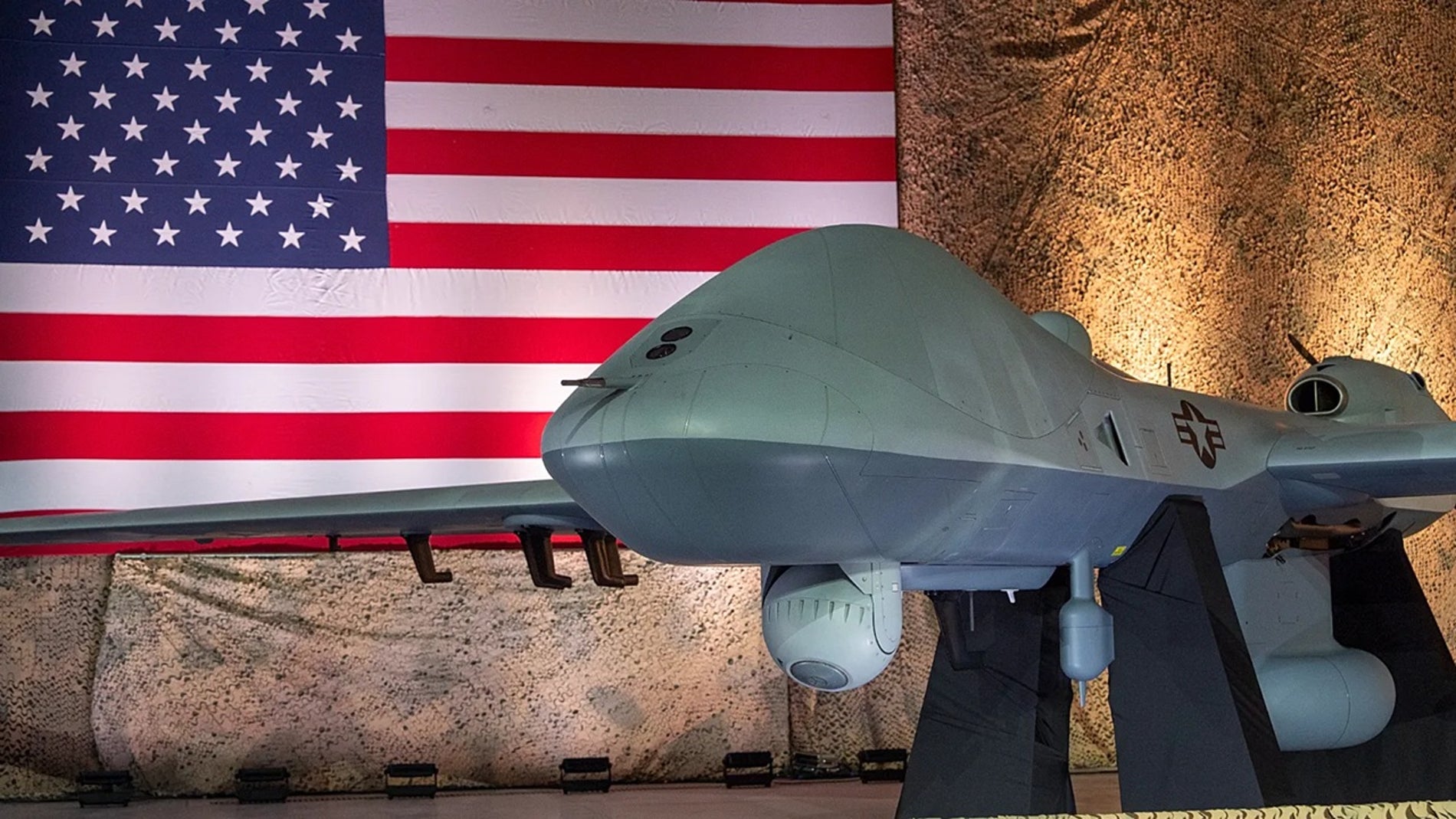
VanHerck previously served as head of North American air defense operations, overseeing the military commands responsible for protecting the sovereign airspace of the United States and Canada. American homeland defense has historically relied on vast radar networks and missile interceptors built to track high-altitude threats such as intercontinental ballistic missiles and fighter jet squadrons, leaving low-altitude domestic airspace less protected against small unmanned systems.
Blind spots in traditional air defense shields
According to the investigation, the physical and operational characteristics of modern drones make them exceptionally difficult for existing air defense systems to detect and intercept. Unmanned aircraft feature reduced physical dimensions, fly at very low altitudes, and possess radar signatures that are almost imperceptible to long-range military sensors.
Defense experts highlighted that current anti-aircraft systems suffer from significant blind spots when confronted by swarms of non-piloted aircraft. Rather than relying on the destructive force of a single craft, coordinated swarm strikes risk overwhelming local defense capabilities within minutes.
The findings directly question the effectiveness of the multi-billion-dollar annual budgets allocated to United States national defense and necessitate a fundamental review of civil protection strategies.
Countermeasures and homeland security priorities
Adapting to the evolving threat will require the accelerated development and deployment of specialized electronic jamming systems to disrupt drone control signals and kinetic neutralization weapons to physically destroy intruding craft. Officials noted that these technologies must be engineered to operate safely near critical infrastructure and within densely populated civilian areas.
Protecting domestic territory against low-cost aerial intrusions has become an urgent priority for Pentagon strategists seeking to maintain Washington's global deterrence capabilities. Department of Defense officials are currently evaluating the full scope of the tactical vulnerability, with debate centered on implementing immediate countermeasures and redesigning the national defense shield to counter cheap, silent, and increasingly sophisticated unmanned threats.