University of Manchester researchers led by Dr Zhonghua Zheng have shown that automatically spraying stored rainwater onto rooftops cuts air conditioning use and urban heat.
The study, published in Earth's Future, evaluated the automated irrigation system using numerical simulations tested against artificial intelligence models in Tokyo.
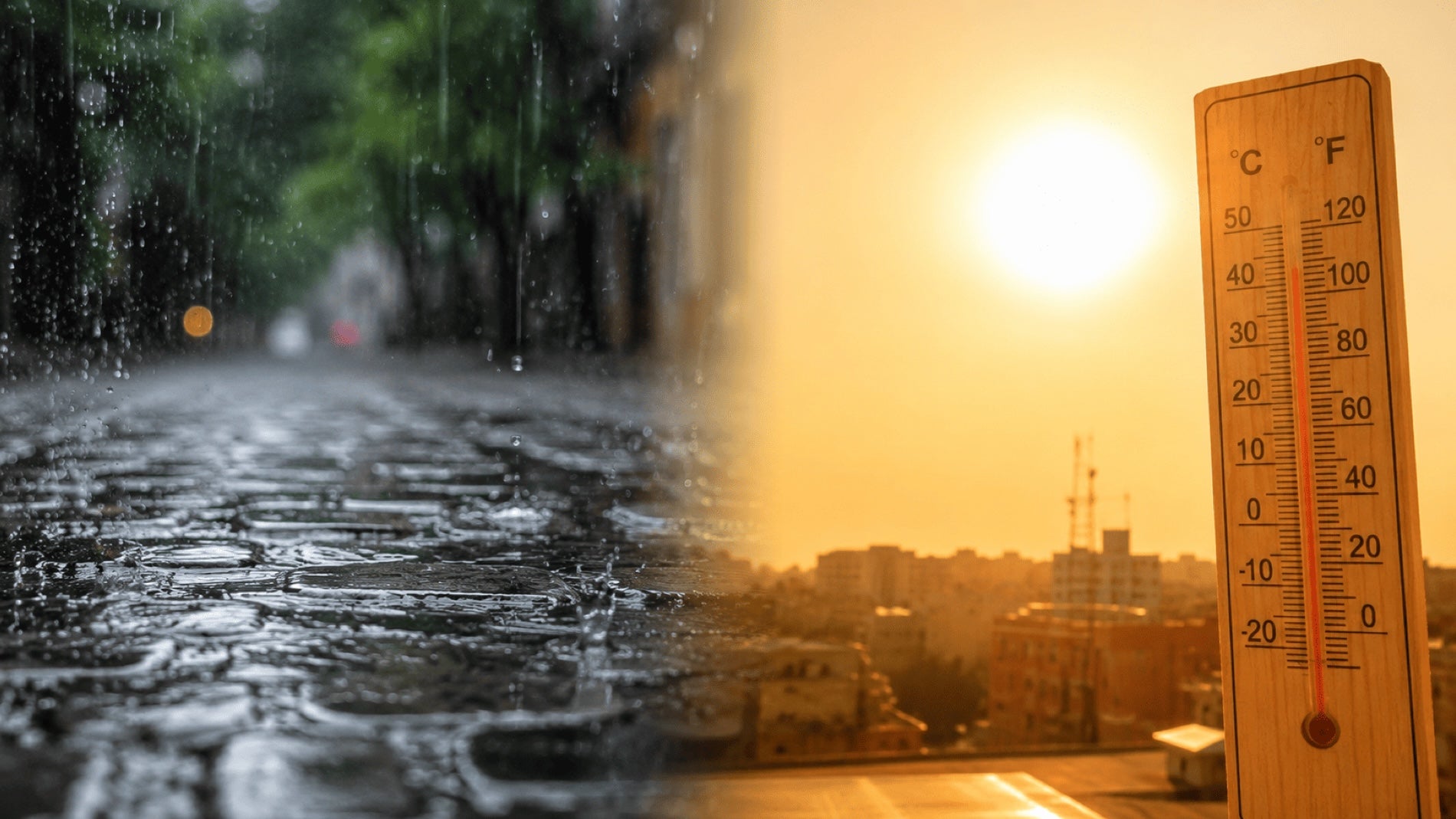
Researchers found that watering building roofs during periods of extensive heat significantly reduced surface temperatures, limiting heat transfer into interior spaces and lowering energy demand for air cooling.
The reduction in air conditioning usage also decreased the amount of residual heat released directly into the surrounding city environment.
Nighttime temperatures in cities often remain high long after sunset because structural materials retain heat absorbed throughout the day, creating difficult living conditions for residents.
Dr Zhonghua Zheng, the lead author of the study, said cities around the world face growing challenges from extreme heat. He noted that while conventional air conditioning offers temporary relief, its heavy energy consumption releases additional thermal emissions back into urban areas.
Rainwater cooling performance in urban simulations
The University of Manchester is a public research university located in North West England, known for scientific research in environmental engineering and urban planning.
Earth's Future is a peer-reviewed open-access scientific journal published by the American Geophysical Union, covering global environmental change and sustainable development strategies.
Tokyo, the capital of Japan, is one of the world's most populous metropolitan areas, where high building density creates intense local heat retention during summer months.
Simulations showed that strategic collection and application of rainwater on rooftops could serve as an effective strategy to lower outdoor city temperatures and cut energy demand.
Zheng indicated that the cooling benefits of rooftop irrigation are especially noticeable during hotter years, suggesting the technique could be adopted as global weather patterns grow warmer.
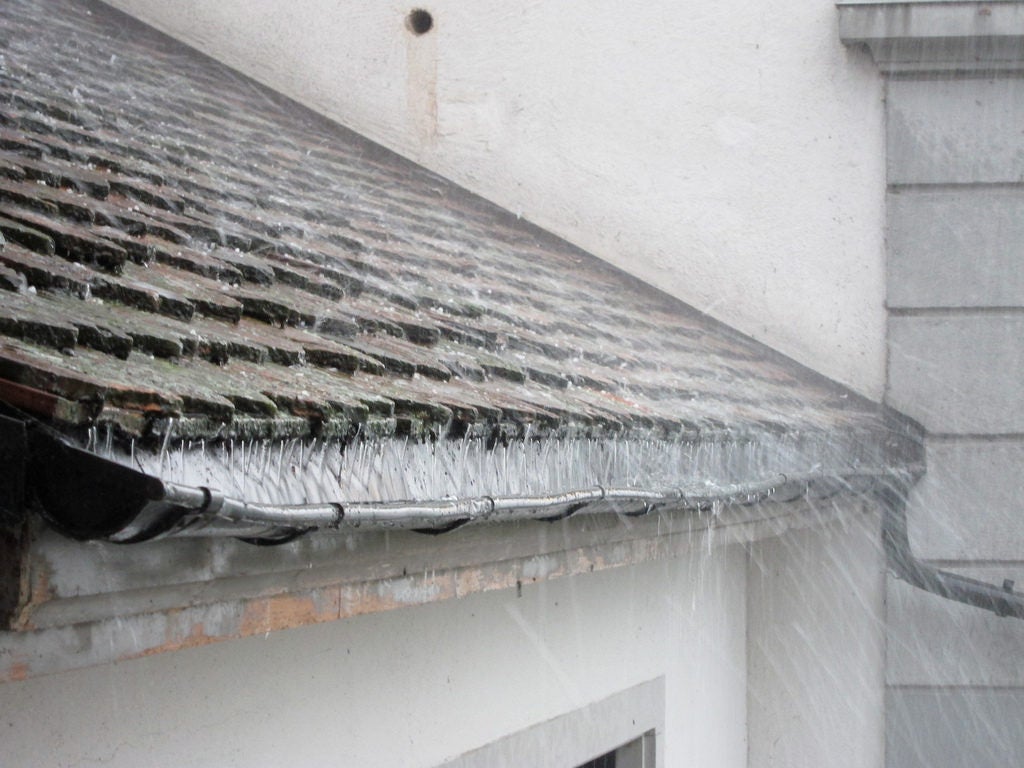
The study established that the system's sprinklers activate automatically whenever a building roof reaches a predetermined temperature threshold.
System design and water management efficiency
Researchers highlighted that setting the correct temperature trigger has a much larger impact on cooling performance than increasing the storage tank size or applying higher volumes of water.
Although larger storage tanks produced small additional temperature reductions, the difference was minimal, demonstrating that cooling systems do not need to be oversized to achieve effective results.
Applying extra water beyond what evaporates does not increase cooling performance, because unused water remains standing on the roof surface rather than evaporating to absorb heat.
Zheng described the rainwater irrigation system as a natural solution to a natural challenge, offering cities a workable method to mitigate extreme heatwaves.