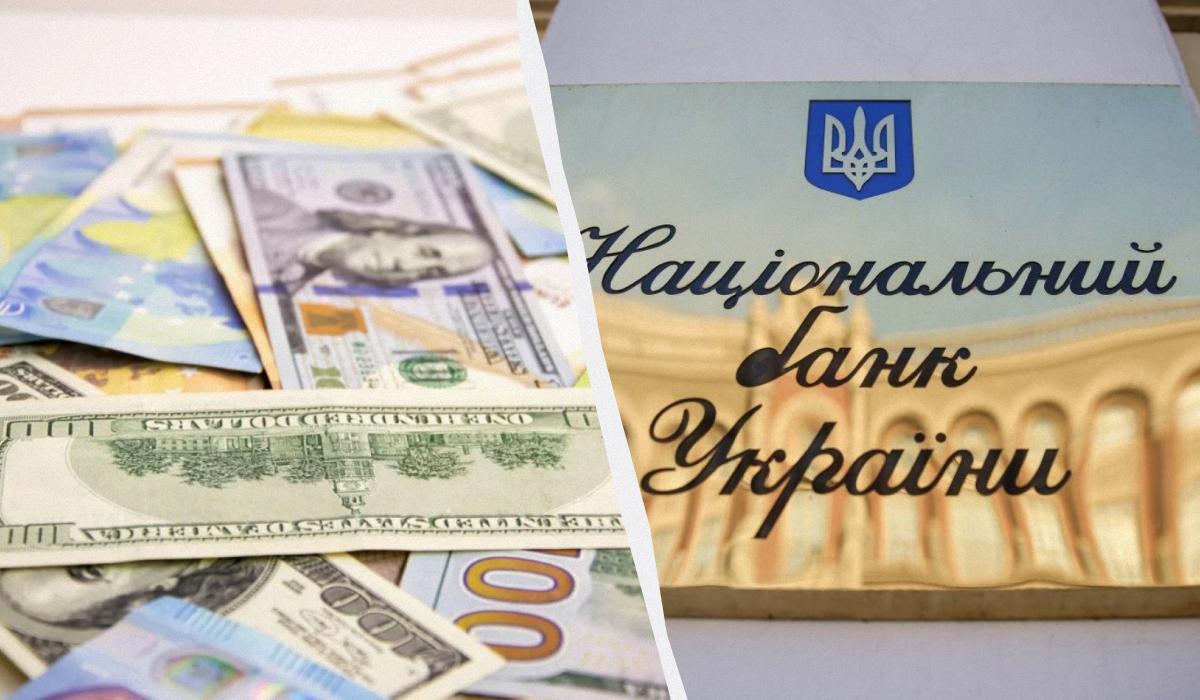
Taras Lesovyi, a senior banker at Globus Bank, warned that the Ukrainian hryvnia will face heightened pressure in September as import demand outstrips export earnings. In comments to news agency UNIAN, Lesovyi explained that the foreign exchange market faces a growing supply imbalance as Ukraine prepares for the cold season.
Importers require larger amounts of foreign currency to settle payments for foreign products, while Ukrainian exports are generating less currency revenue. Lesovyi stated that this supply and demand gap will become more pronounced during September due to seasonal procurement of energy supplies, machinery, and essential goods for the autumn and winter period.
Logistical disruptions and ongoing military actions continue to create additional headwinds for the national currency. Lesovyi pointed out that maritime transport routes remain vital for Ukrainian agricultural exports, noting that strikes against port infrastructure directly curtail the country's capacity to ship goods abroad and earn foreign exchange.
Rising fuel costs and infrastructure damage
The energy and fuel sector presents a distinct risk factor for exchange rate stability. According to data cited by Lesovyi, wholesale and retail fuel prices surged over the past month, with diesel fuel increasing by approximately 22 percent and A-95 gasoline rising by nearly 9 percent.
Because Ukraine relies heavily on overseas markets for petroleum products, fuel distributors must purchase supplies at elevated prices while building up autumn reserves. Lesovyi said this dual requirement will naturally drive up commercial demand for foreign currency. He added that attacks on warehouses, logistics centers, and fuel facilities force companies to incur additional expenditures for repair work, new equipment, alternative shipping routes, and stockpile management, costs that may ultimately fall on domestic consumers.
Inflationary pressures also threaten to alter consumer behavior and weaken the hryvnia. Lesovyi noted that even if monthly price increases remain moderate, between 1.3 and 1.5 percent in August and up to 1 percent in September, annual inflation could climb toward 10.1 to 10.3 percent. Elevated inflation expectations often encourage households and businesses to convert their cash reserves into foreign currencies.
September exchange rate outlook
Despite the autumn seasonal pressures, Lesovyi stressed that wider exchange rate swings do not signify an impending breakdown of currency stability. He noted that the exchange rate pendulum may oscillate more widely than it did during the summer months, but characterized the movement as the currency market seeking a new equilibrium level.
For September, Lesovyi projected that the US dollar will trade predominantly within a corridor of 44.7 to 45.4 hryvnias per dollar across the Ukrainian banking system.
In Ukrainian currency exchange kiosks, the average buying rate for the US dollar stood at 44.81 hryvnias, while the selling rate was quoted at 44.70 hryvnias. Cash euro transactions at exchange kiosks registered at 52.10 hryvnias for buying and 51.88 hryvnias for selling. Meanwhile, state-owned PrivatBank maintained its dollar exchange rate unchanged at 44.75 hryvnias per dollar, while its euro rate declined by 30 kopecks to 52.05 hryvnias per euro.
Banking background and institutional context

Lesovyi serves as the Director of the Financial Markets and Investment Activity Department at Globus Bank, a commercial financial institution headquartered in Kyiv. He graduated from Kyiv State Economic University in 1998 with a specialization in finance and credit and holds a master's degree in economic sciences.
With nearly 30 years of professional experience in the Ukrainian banking sector, Lesovyi previously held posts at Bank Ukraina from 1998 to 2000, Natsionalni Investytsiyi from 2000 to 2005, and Ukrgasbank during two separate tenures from 2005 to 2009 and 2010 to 2014. He first joined Globus Bank in 2009, returning to his present executive role in 2015.
Globus Bank was established in 2007 and operates as a joint-stock commercial bank in Ukraine, offering retail, corporate, and treasury services. Ukrainian Independent Information Agency, known as UNIAN, is one of Ukraine's oldest major private news agencies, reporting on national economic and political developments from its headquarters in Kyiv.
PrivatBank is the largest commercial bank in Ukraine, nationalized by the Ukrainian government in 2016 to preserve systemic financial stability. The National Bank of Ukraine, the country's central monetary authority, regulates commercial banking institutions and oversees foreign currency interventions to manage liquidity during wartime economic conditions.