Ukraine is rapidly expanding its own weapons production, and domestic manufacturers now cover more than half of the Armed Forces' needs for weapons and military equipment, up from a third a year ago, Radio Svoboda, the Ukrainian service of RFE/RL, reported. Yet the question remains whether that shift can go beyond reducing reliance on Western arms to actually turning the course of the war, as Russia keeps striking Ukrainian cities and civilian infrastructure.
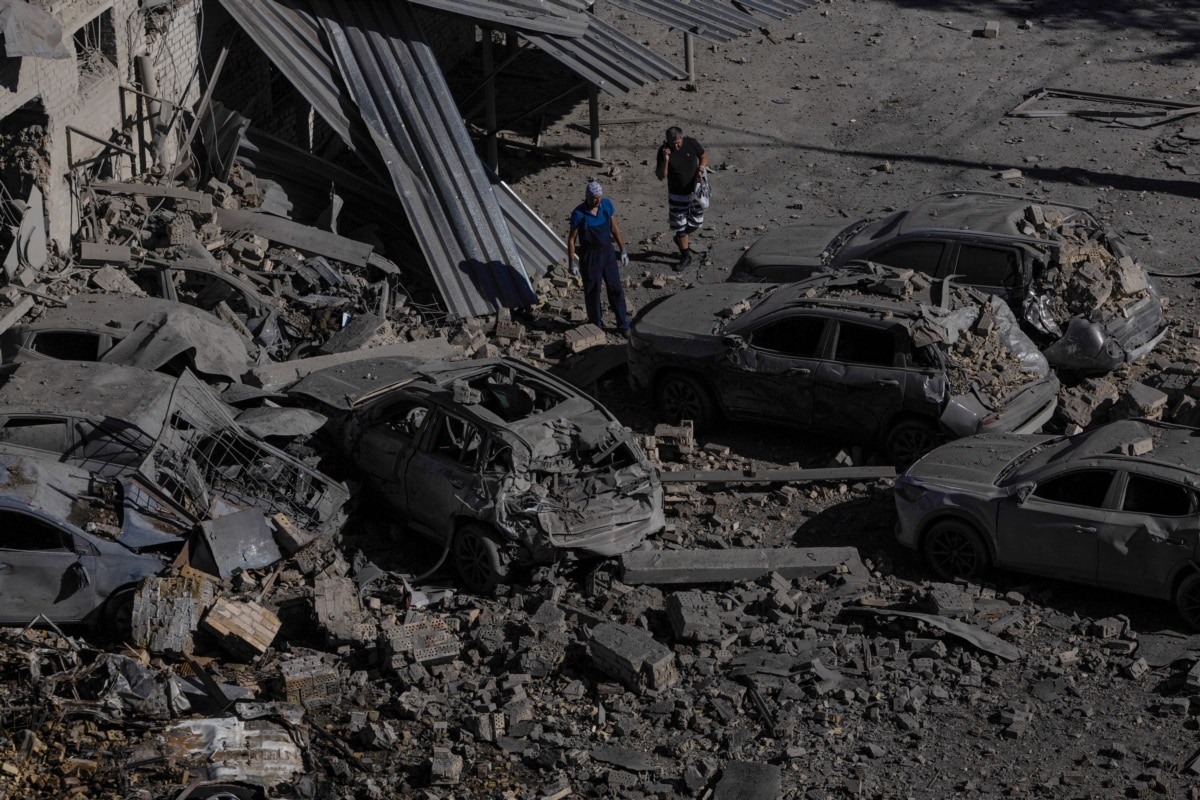
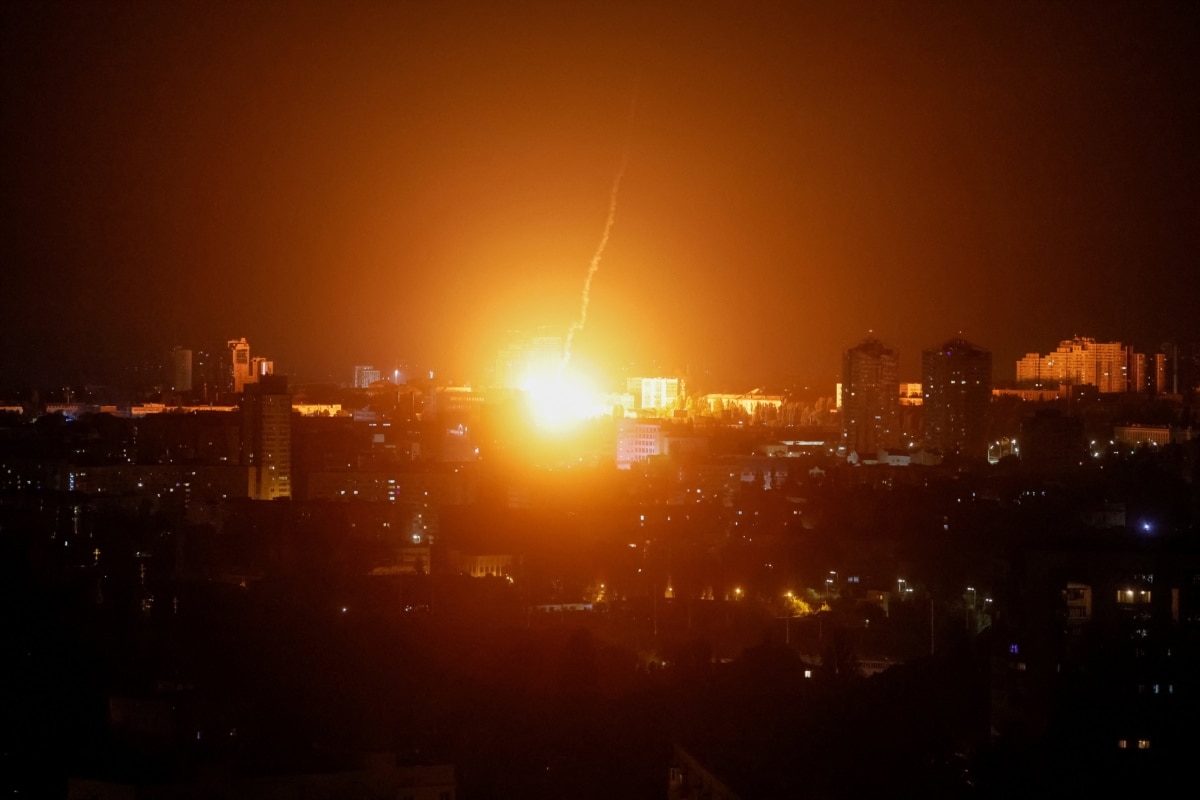
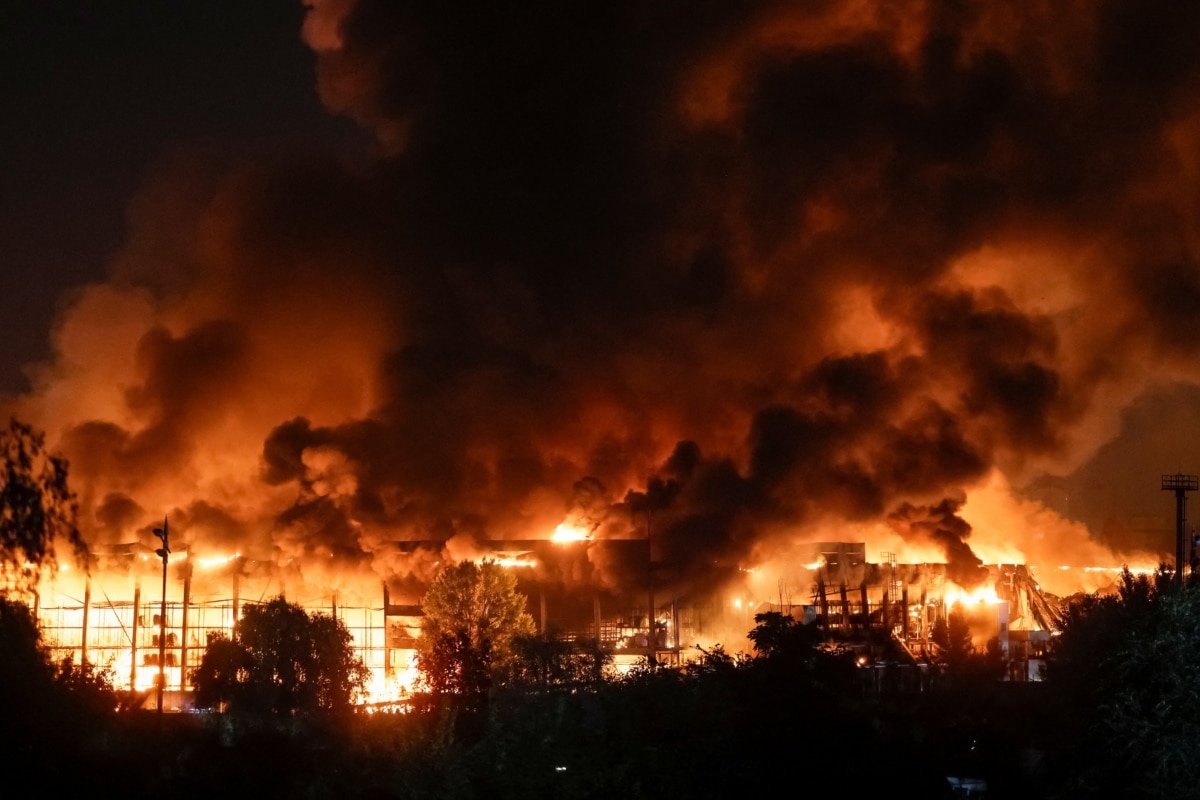
President Volodymyr Zelensky called the overnight attack on the Kyiv region on August 20 one of the most cynical, calculated and massive of the war. He said Ukraine is managing to cope with Russian drones and cruise missiles, but that ballistic missiles remain the biggest threat, and that eliminating that threat still depends on the West and its readiness to supply more missiles for Patriot air defense systems.
In his evening address on August 20, Zelensky said the world cannot quietly and passively watch as Russians destroy lives with ballistic weapons. He added that this is not about gifts, since Ukraine is ready to pay for the missiles, while it works on its own anti-ballistic program.
Drone Warfare Without a Finish Line
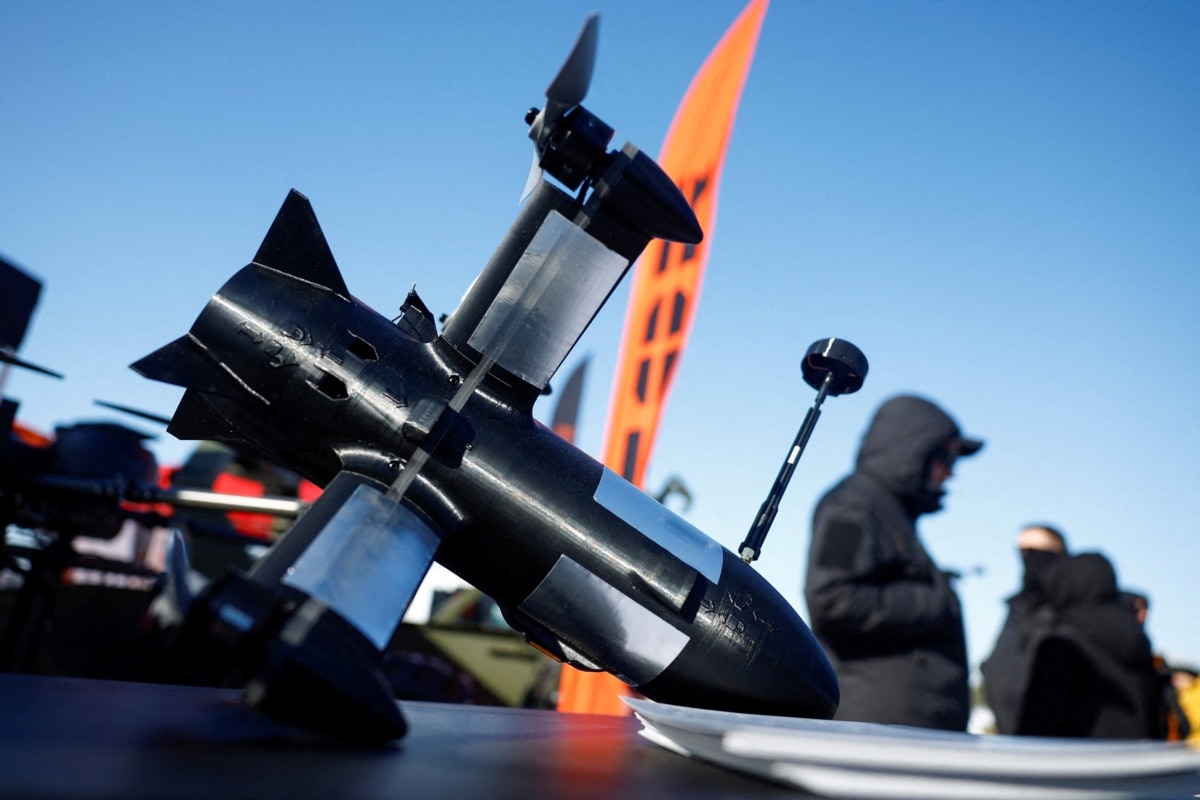
Military analysts describe Ukraine and Russia as the world's two recognized leaders in drone and counter-drone innovation. Samuel Bendett, an analyst at the Center for Naval Analyses (CNA) in the United States, told Radio Svoboda that no one can match them in this respect, not even the United States or China. Ondrej Ditrych, a senior analyst at the European Union Institute for Security Studies (EUISS), said this is not a race with a finish line but rather a contest for relative advantage in capability.
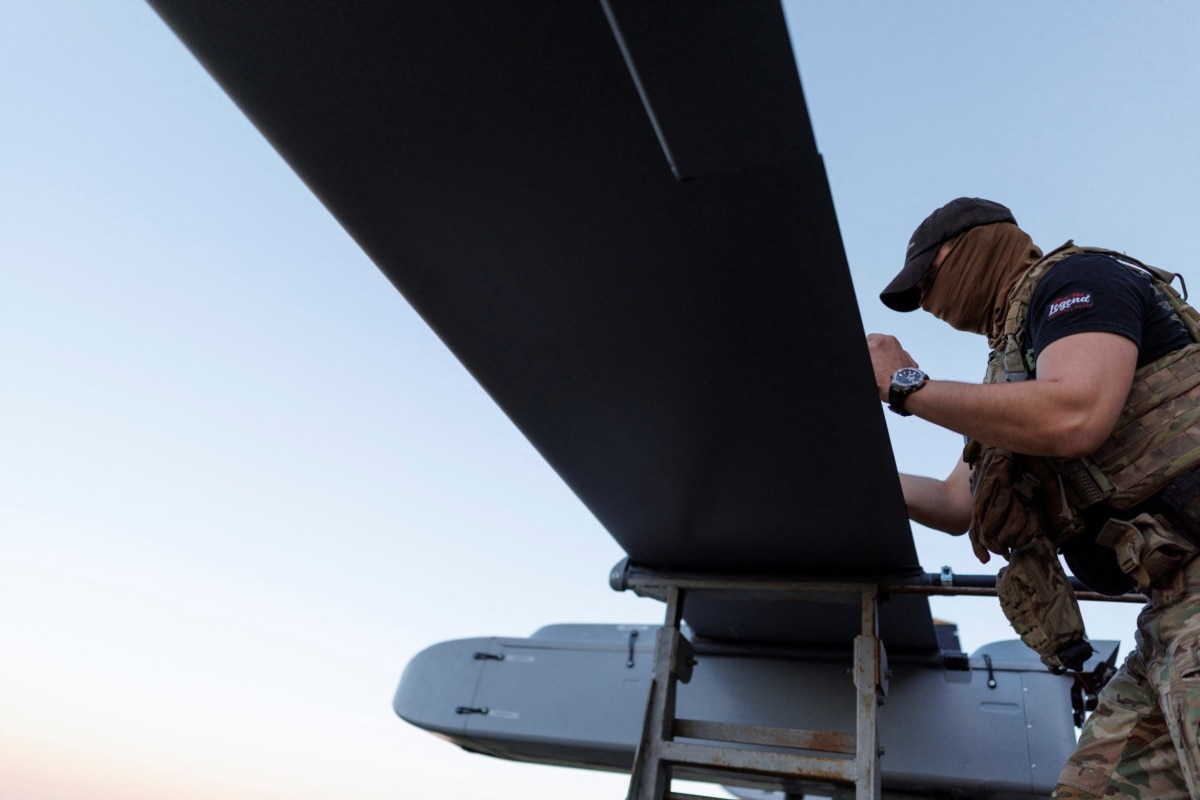
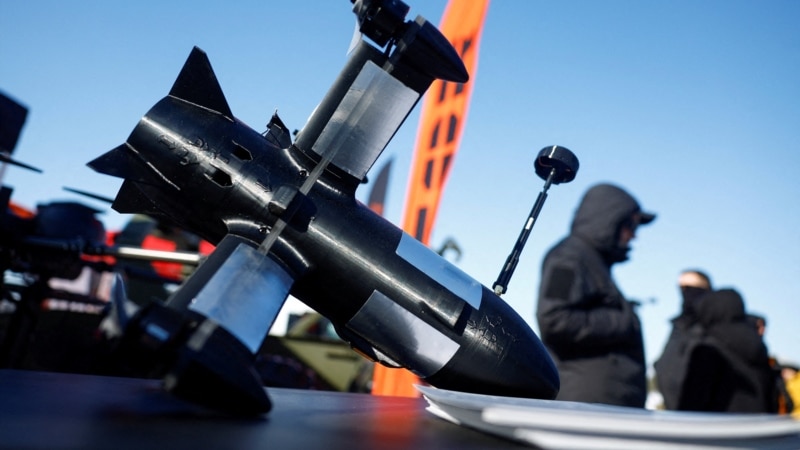
Ukraine's Magura and Sea Baby naval drones forced Russia's Black Sea Fleet to retreat from the Ukrainian coast, while FPV drones have partly made up for shortages of artillery. Drones have become part of Ukraine's multilayered air defense, and its experience is being studied worldwide. But Ihor Fedirko, executive director of the Ukrainian Council of Arms Manufacturers, told Radio Svoboda that innovation stops being an advantage once the enemy has it too. He said Russia is giving Ukraine a hard time in some areas, sometimes copying solutions Ukraine itself considered not very successful, scaling them up and using them effectively against Ukrainian forces.
Fedirko said Russia's Shahed drones are no longer mindless kamikaze weapons but have become a platform that can carry strike drones or remote mining equipment. Ditrych noted they are also being fitted with jet engines, an area where Ukraine has fewer capabilities. Bendett summed up the balance between the two rivals by saying Russia wins on quantity, while Ukraine wins on precision, which he said also matters a great deal.
Striking Deep Inside Russia
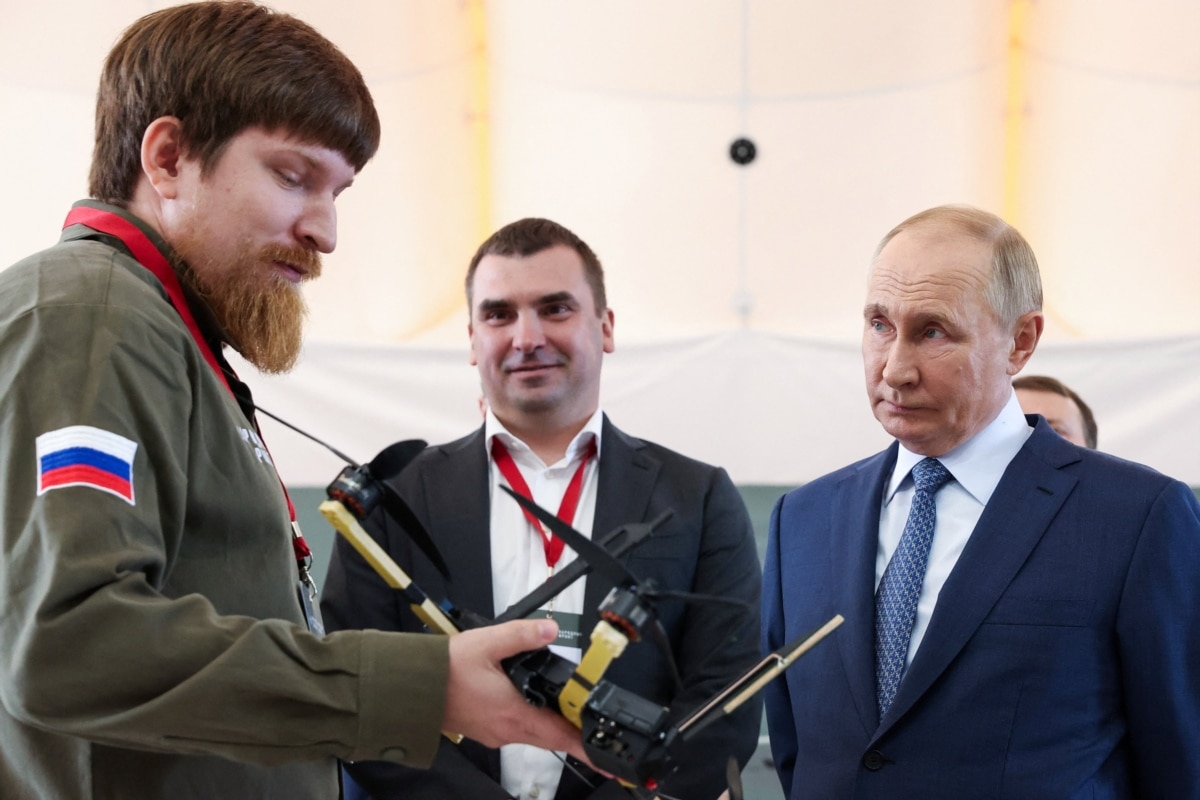
Ukraine is also effectively hitting targets in Russia's rear. Gustav Gressel, an Austrian military analyst at the European Council on Foreign Relations (ECFR), believes the long-term effects of damaged Russian logistics and weakened air defenses will become increasingly visible. He told Radio Svoboda that Ukraine is already at the early stage of shaping the outcome of the war, though he added the war's end could still drag on because Russia is determined to keep fighting despite its losses.
Domestic production now covers 95 percent of the Ukrainian army's drone needs, but calling the sector fully independent is harder, since, as the saying goes, the devil hides in the imported details.
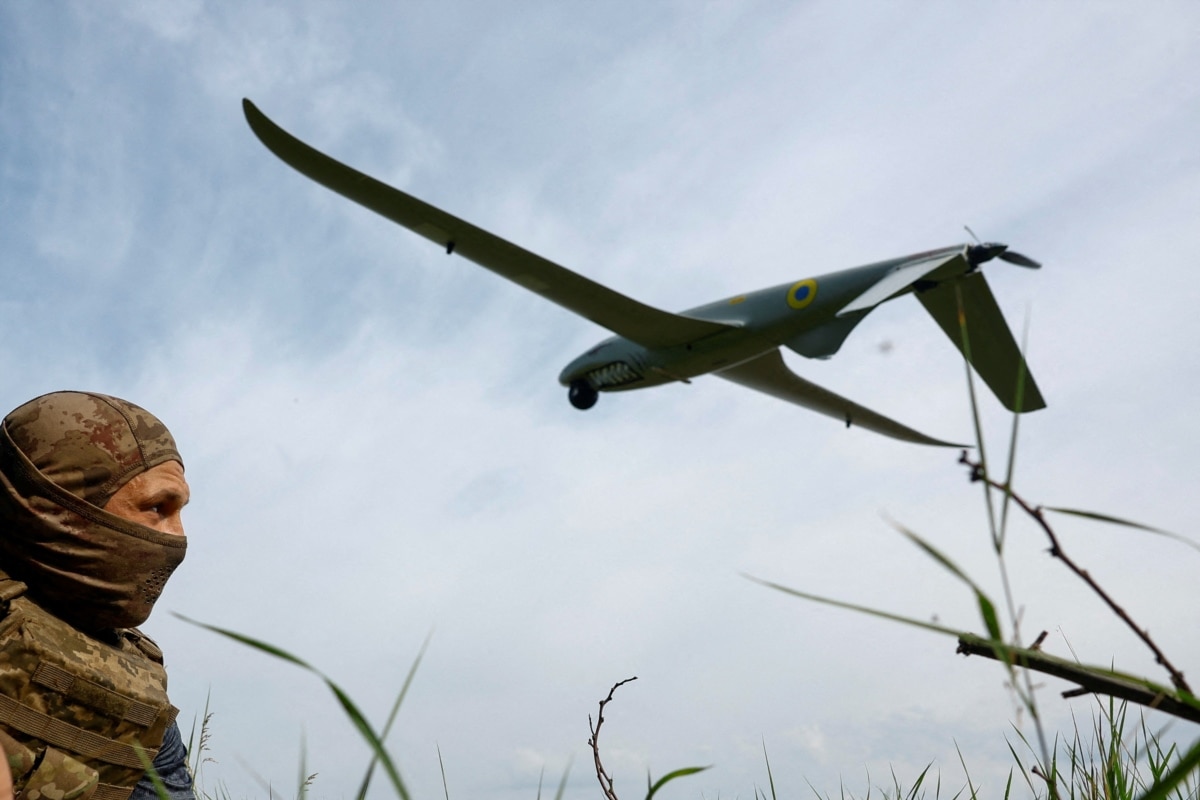
Bendett said Ukraine still depends on certain Chinese components and technologies, since it does not produce its own microprocessors or microcomputers and must rely on outside supply. Ditrych said Ukraine is working hard to cut that dependency, but that the possibilities are not unlimited. Analysts broadly agree that drones alone will not win the war.
Ballistic Missiles as Independence's Next Test
If drones have become a symbol, albeit a relative one, of Ukraine's defense self-sufficiency, ballistic missiles could mark the next stage, giving Ukraine its own tool for precise, long-range strikes. Experts say their large-scale use would give Ukraine a significant advantage. Gressel said that even when Russian air defense does intercept such a missile, it usually takes several S-400 and Buk systems working together, meaning Russia burns through large numbers of its own air-defense missiles, which opens the door for successful strikes using other weapons.
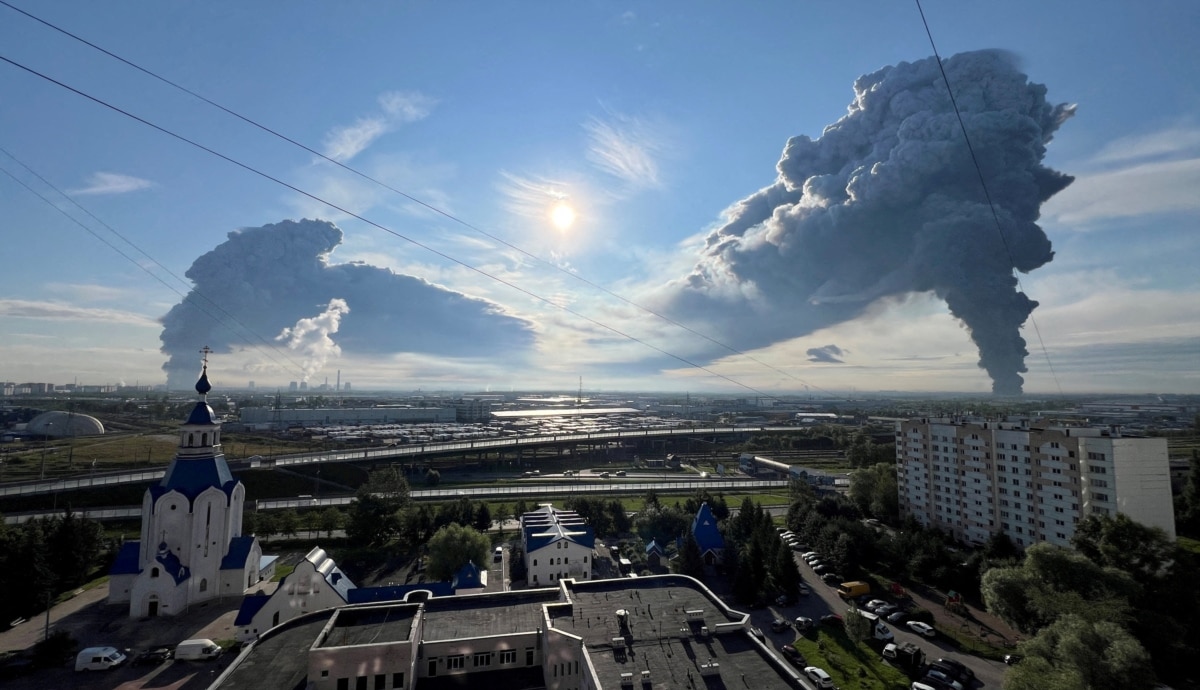
In December 2025, Zelensky confirmed that Ukraine was already using its Sapsan missile against Russia, without giving further details. In July 2026, Mykhailo Fedorov, who was serving as defense minister at the time, said that on the day the government was dismissed, a successful test of the ballistic missile had been carried out. The former official said the test achieved maximum accuracy, cut the missile's cost by 30 percent, and that Ukraine would enter a new league.
Valentyn Badrak, director of the Center for Army, Conversion and Disarmament Studies Research, told Radio Svoboda that the decisive factor will not be the weapons themselves but the state's ability to scale up the technology and manage it effectively. He said that if the new military and political leadership succeeds in cloning ballistic and cruise missiles with private-sector involvement and maximum military-technical cooperation, the chances rise considerably, and Ukraine could become a powerful missile state within roughly two to three years.
The Challenge of Mass Production
The biggest challenge is seen as achieving serial production of ballistic missiles and using them regularly. Gressel said drone production can be spread across small, improvised workshops, but ballistic missiles require large factories, which are easier targets. He pointed to explosives and gunpowder as an example, saying their production needs large chemical plants with heavy security that can be spotted even from space, which is why Ukraine relies on Western supply rather than building a full domestic chemical industry for explosives.
Air defense remains Ukraine's main vulnerability. Last month, Ukrainian air defense intercepted only 29 of 195 ballistic missiles fired at the country.

Gressel said war speeds up development but does not repeal the laws of physics, and that the development cycle still has to be completed. With winter approaching, Kyiv is trying to persuade partner states to share interceptors from their own stockpiles, while also drawing them into a broader anti-ballistic program aimed at results further down the line.
The company Fire Point is now integrating European components into its Freyja project, which envisions building a modern missile-defense system together with European countries. On August 19, the company's leadership said it plans to have its FP-7 short-range ballistic missile ready for combat use by the end of September 2026. Zelensky said he expects Ukraine's ballistic and anti-ballistic programs to deliver the needed results in 2026 and 2027. Radio Svoboda asked Fire Point for comment, but the company declined to provide information. Fire Point is one of the flagships of Ukraine's long-range weapons program, though its rapid growth has been accompanied by debate over its ownership structure, political ties and the transparency of its state contracts.
Experts are cautious about how realistic these timelines are, since it is hard to predict how long it will take to integrate radars, sensors and other components from European partner states into a single missile system. Gressel compared it to the typical growing pains of any new system, where some components work exactly as engineers intended and others do not, requiring further work or new technical solutions.
Fedirko said Ukraine mainly acts as a source of information on how air defense systems perform in real combat conditions, describing the country as more of a systemic partner in the form of what he called a testing ground. He said Ukraine is willing to share anything if it helps Europeans upgrade the SAMP/T system in particular, so that it could shoot down a ballistic missile using just two interceptors instead of more, which he said would already be a major win. He said he hoped the system could be modified to that level within a year at the most.
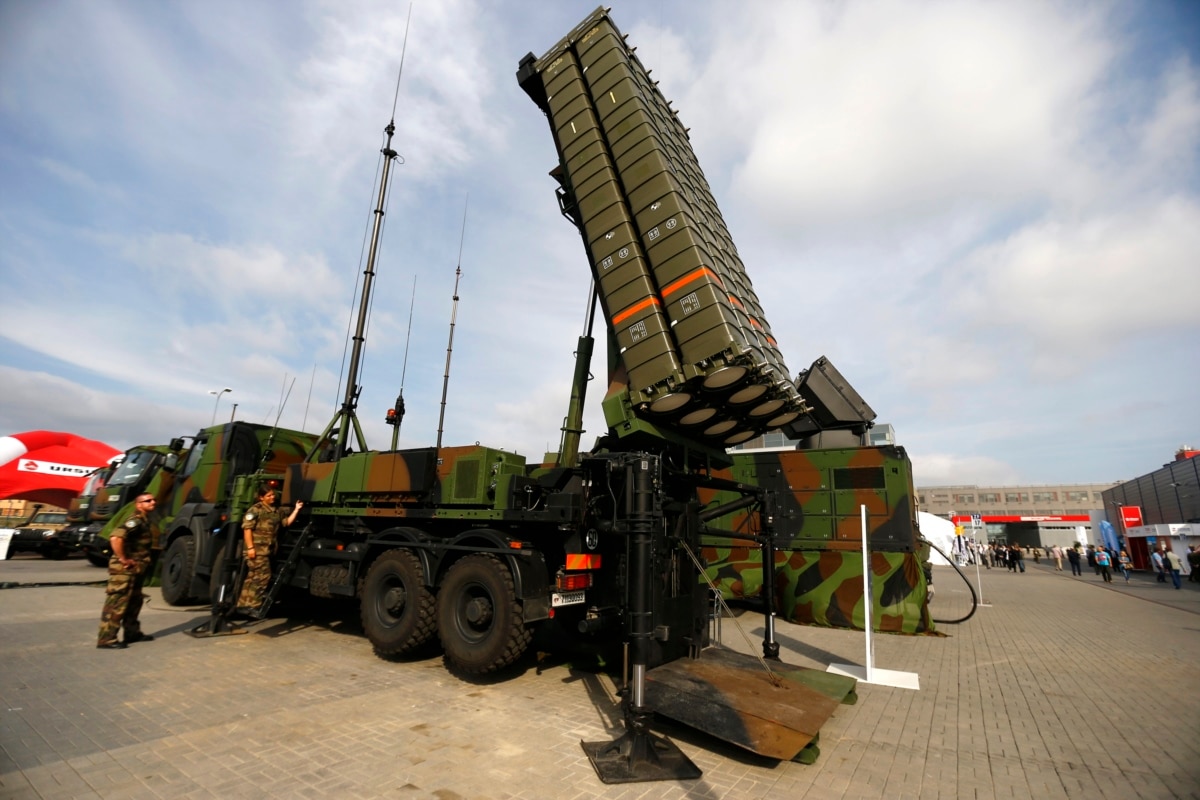
Ditrych said the Freyja project is unlikely to fully replace the Patriot system, whose interceptors are in serious shortage and whose production licenses for Ukraine remain uncertain. But he said the joint Ukrainian-European anti-ballistic program would significantly strengthen air defense overall. Combined with other European systems as part of a multilayered air defense, he said, since not every target requires a Patriot, it could become a real alternative, especially against Russian ballistic missiles.
Dependency and Ukraine's Trump Card
Combat aviation remains an area where Ukraine is still far from self-sufficient. The country is not developing its own next-generation fighter jet, a program experts say would require decades and tens of billions of dollars.
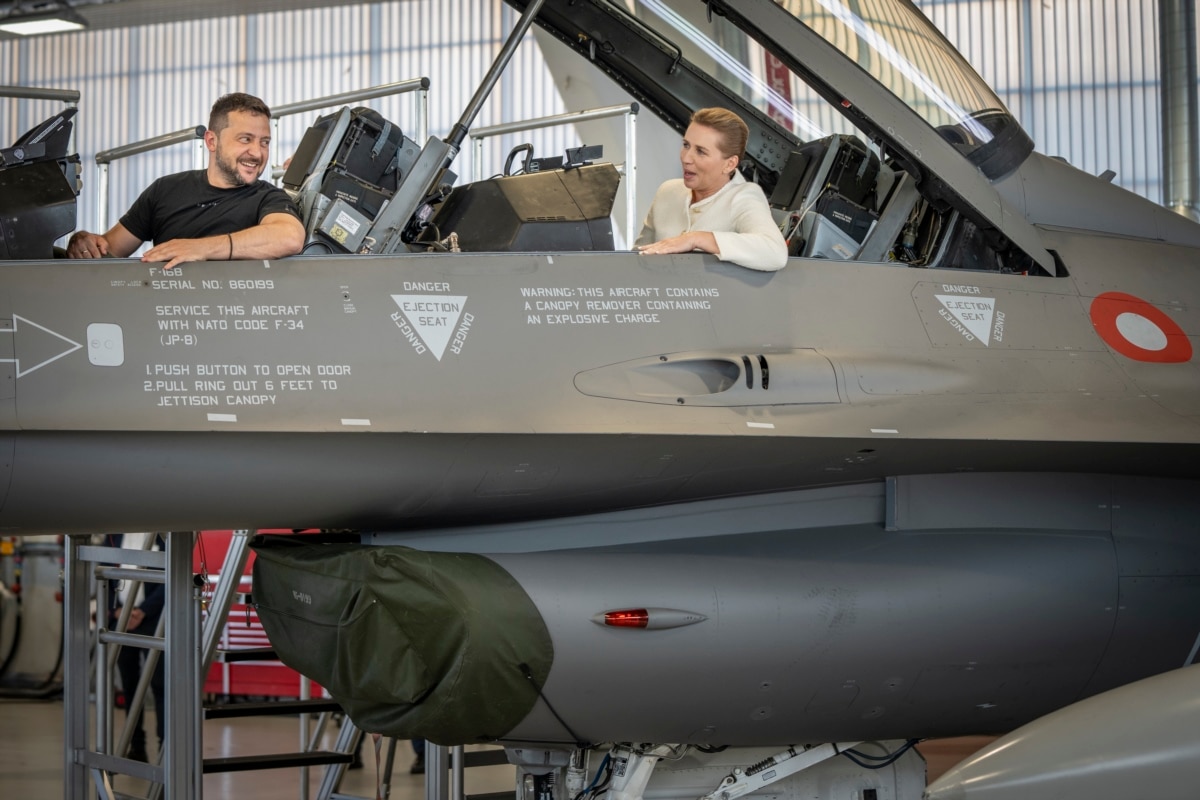
Modern precision weapons are effectively impossible to use without satellite reconnaissance and navigation, and building an independent space infrastructure is itself a decades-long undertaking. Experts say Ukraine will keep relying on its Western partners' capabilities in this area. Full independence from outside suppliers is unrealistic even for the largest defense powers, they say.
Ditrych said Ukraine needs to aim for an acceptable level of dependency and guarantee the security of key production chains. Ukraine and Europe are building a joint defense-industrial base in which mutual dependence becomes a source of resilience rather than weakness. Badrak said Ukraine's main trump card is European countries' fear that the war could reach them. Experts believe that whether Ukraine can maintain its pace of innovation after the war will determine whether Kyiv secures a lasting strategic advantage over Russia.