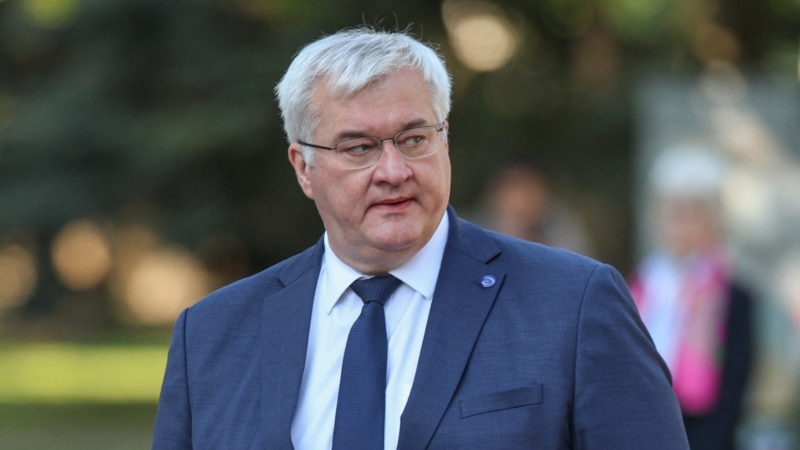
Ukrainian Foreign Minister Andrii Sybiha has warned Greece that Russia is attempting to turn the Black Sea into a tool of pressure and intimidation.
Sybiha raised the issue during a conversation with Greek Foreign Minister Giorgos Gerapetritis, where he detailed the impact of ongoing Russian attacks against Ukrainian cities and coastal infrastructure.
Writing on the social media platform X, Sybiha stated that the growing scale of Russian missile and drone terror makes strengthening the protection of Ukrainian skies an urgent priority.

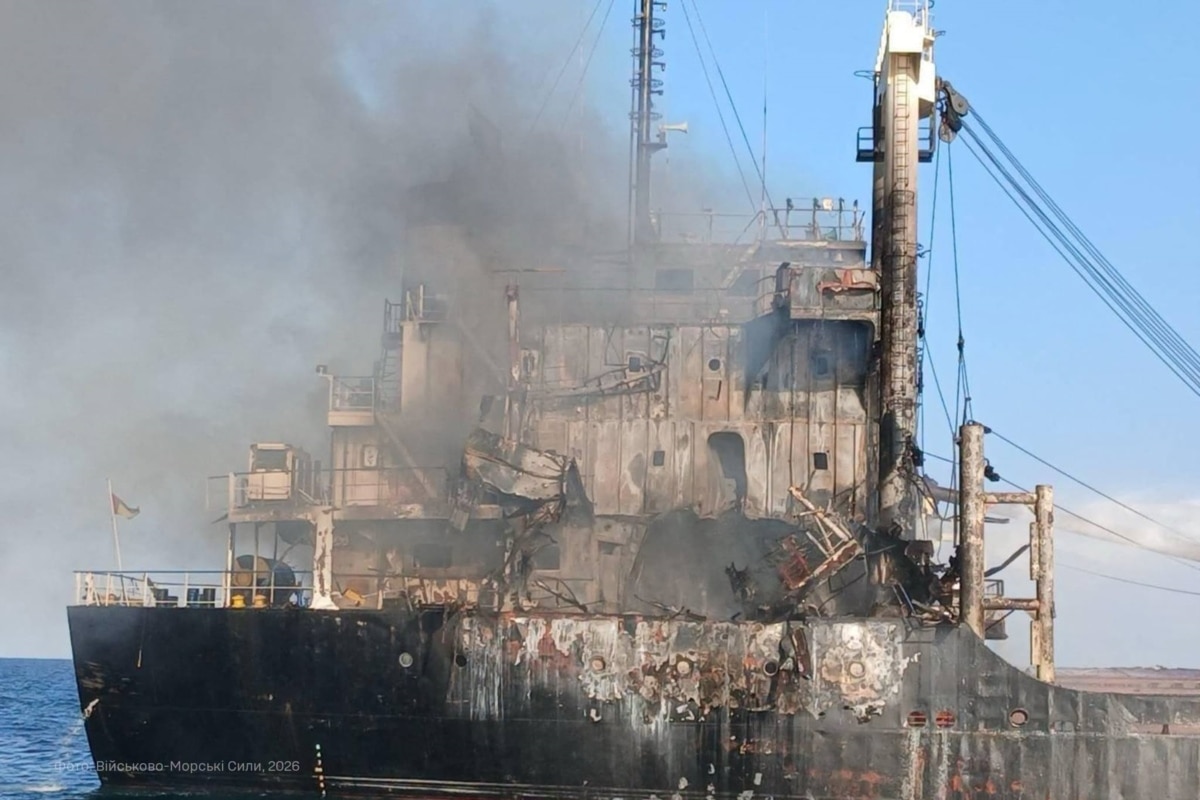
The Ukrainian foreign minister emphasized that maritime security was a key focus of the discussions between the two officials. He accused Moscow of continuing to target Ukrainian ports, maritime infrastructure, and civilian vessels.
Sybiha said these deliberate attacks pose a direct threat to freedom of navigation, international trade, and global food security.
Freedom of navigation is a matter of principle and security for both Ukraine and Greece, Sybiha stressed, describing both countries as major maritime nations.
Greece operates the largest merchant shipping fleet in the European Union, while Ukraine relies heavily on maritime trade corridors to export its agricultural commodities across the Mediterranean and beyond.
Sybiha described the Black Sea as a critical artery connecting countries, markets, and people. He added that Kyiv remains fully interested in ensuring the body of water stays open, safe, and free for navigation.
Turkish moratorium proposal
The warning comes as international efforts continue to safeguard merchant shipping across the region. Turkish Foreign Minister Hakan Fidan announced on August 9 that Ankara had proposed a formal moratorium to Russia and Ukraine on strikes against commercial vessels in the Black Sea.
Fidan confirmed that both Kyiv and Moscow had received the proposal and that Turkish diplomats were waiting for an official response from both governments.
Turkey, which borders the Black Sea to the south, controls the Bosporus and Dardanelles straits linking the sea to global ocean trade routes. Ankara has previously mediated maritime agreements aimed at preserving commercial vessel transit.
The Turkish proposal followed an incident in which a Turkish merchant ship sank after being struck during a Russian attack in the Black Sea.
Attacks on Odesa grain ports
Russian military forces escalated attacks against the Odesa region throughout the summer, targeting port infrastructure vital to Ukraine's export economy.
Ukraine is one of the world's main exporters of essential commodities, including corn, wheat, rapeseed, sunflower seed, and vegetable oil. Approximately 90 percent of the country's raw material exports pass through Black Sea ports located in and around Odesa.
Located in southwestern Ukraine, Odesa serves as the nation's main maritime gateway. Repeated strikes on its harbor facilities and grain elevators have repeatedly disrupted global commodity shipments and raised maritime shipping costs.
Moscow has defended its strikes across the coastal region, claiming that its attacks target military infrastructure, logistics facilities, and foreign vessels transporting weapons destined for Ukrainian forces.
Kyiv and its international partners reject those assertions, maintaining that Russian forces are targeting civilian maritime infrastructure to impede Ukrainian exports and exert pressure on global food markets.