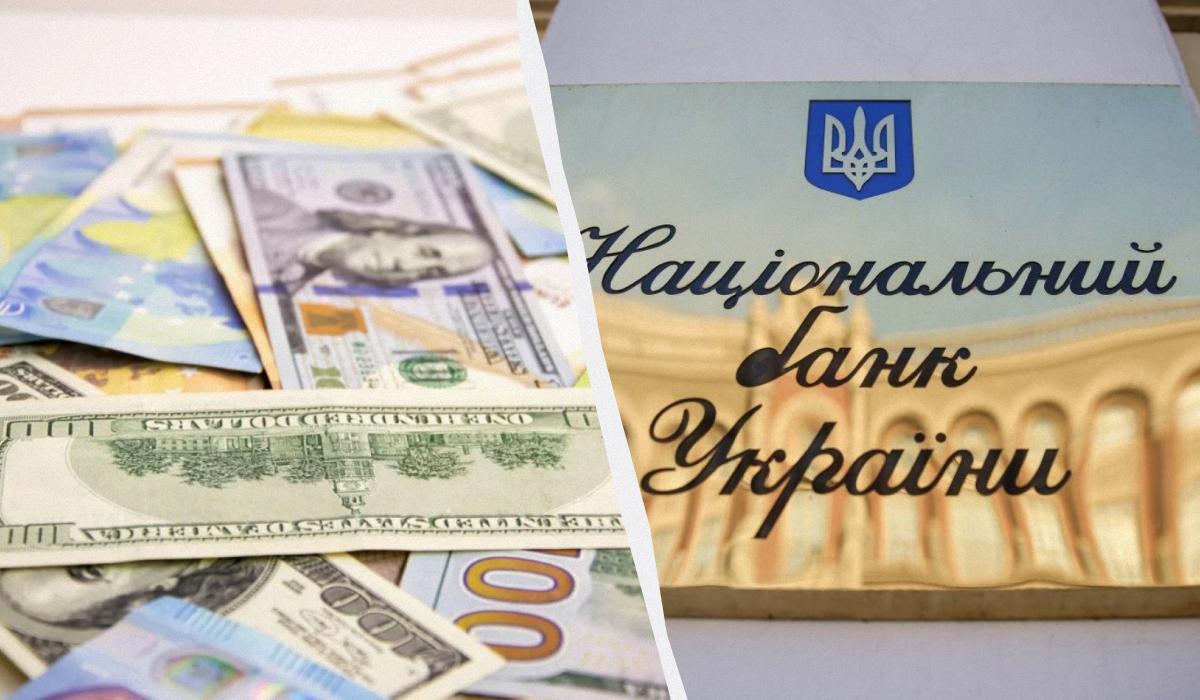
State-owned banks in Ukraine saw their share of net assets fall to 50.3 per cent at the end of the second quarter of 2026, according to a report published by the National Bank of Ukraine.
The 1.4 percentage point decline during the quarter marks a step toward reducing government dominance in the financial system, though state ownership remains substantial. Kateryna Rozhkova, the former first deputy governor of the National Bank of Ukraine, said in a 2023 interview with NV that a state market share above 25 per cent was already too high.
Faster expansion at commercial lenders drove the overall shift, with private and foreign institutions growing their asset bases at a significantly higher pace than state institutions. Foreign banks led business lending growth during the second quarter, expanding corporate loans by 10.4 per cent.
Reduction in state-owned institutions
The total number of state-owned banks in Ukraine dropped from seven operating during 2024 and 2025 to five in the second quarter of 2026.
First Investment Bank, also known as PIN Bank, returned to private hands after a European fintech company acquired the institution and injected fresh capital. The lender had previously operated under state ownership before its recapitalisation.
Despite losing ground in overall asset share, state lenders continue to dominate retail banking. Government-owned institutions held 61.1 per cent of all individual deposits at the end of the second quarter. That proportion held nearly steady across the quarter, though it declined by 1.5 percentage points compared to the same period a year earlier.
Profitability and corporate deposit outflows
State banks also saw their contribution to the financial performance of the broader banking sector soften. Their share of total banking sector profits contracted to 56 per cent in the second quarter, representing an 8.2 percentage point drop from the previous quarter.
The remaining five state-owned institutions comprise PrivatBank, Oshadbank, Ukreximbank, Ukrgasbank and Sense Bank. All five lenders are designated as systemically important financial institutions by the central bank.
Systemically important status is assigned to institutions whose size and role in payments make them critical to the stability of Ukraine's national economy. The National Bank of Ukraine serves as the country's central bank and principal regulator of commercial lenders.
The contraction in market share comes alongside broader corporate deposit movement across the sector. Figures published in June 2026 revealed that Ukrainian businesses had withdrawn 70.4 billion hryvnias from bank accounts since the start of the year, alongside 329.5 million dollars from foreign currency accounts, with state-owned banks recording the largest outflows.