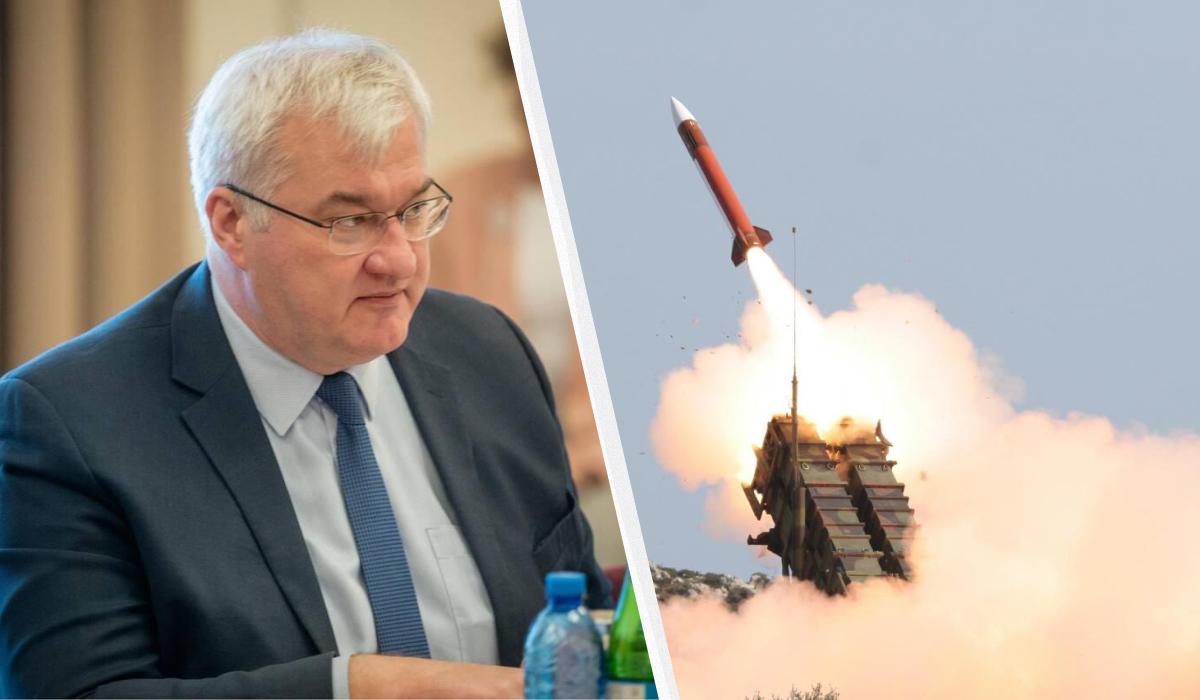
Ukraine is negotiating with American manufacturers to obtain licenses to produce PAC-3 interceptor missiles for Patriot air defense systems on Ukrainian soil, Foreign Minister Andrii Sybiha announced in Kyiv.
Speaking at a joint press conference with Azerbaijani Foreign Minister Jeyhun Bayramov, Sybiha said Ukrainian officials are fighting for every missile as global interceptor supplies remain severely constrained.
Sybiha pointed out that geopolitical realities and the ongoing conflict in the Middle East have made acquiring, purchasing, or exchanging PAC-3 missiles extremely difficult for Kyiv. He noted that total American production capacity is currently limited to about 600 PAC-3 interceptor missiles per year.
Ukrainian President Volodymyr Zelenskyy scheduled dedicated meetings on missile procurement, while Ukrainian diplomats worldwide have been instructed to prioritize anti-ballistic systems. Sybiha added that an annual conference of Ukrainian ambassadors was taking place in Kyiv this week, with every envoy working daily to secure additional interceptors.
The MIM-104 Patriot is a premier US-built surface-to-air missile defense system used to counter incoming tactical ballistic missiles, cruise missiles, and advanced aircraft. Manufactured primarily by Lockheed Martin, the specialized PAC-3 variant utilizes hit-to-kill technology to destroy warheads on impact, making it critical for defending major urban areas and key infrastructure against missile strikes.
Talks with American manufacturers
Consultations regarding production licenses are currently underway with American defense manufacturers and multiple international stakeholders. Sybiha confirmed that principal high-level discussions previously took place between President Zelenskyy and US President Donald Trump, though further negotiations with all involved parties remain necessary.
Zelenskyy has set a strategic objective to maximize the local manufacturing of critical military equipment inside Ukraine in partnership with foreign defense firms. Sybiha stated that this effort is no longer in its infancy, having entered an active phase encompassing both contract negotiations and the operational setup of manufacturing facilities.
Since 2022, Ukraine has actively expanded its domestic defense industry, moving to produce drones, armored vehicles, and artillery ammunition locally to reduce reliance on foreign supply chains. Sybiha emphasized that eliminating dependence on foreign partners in the sensitive air defense sector remains a national priority supported by dedicated domestic development programs.
Battlefield testing and rapid implementation
According to the foreign minister, localizing production within Ukraine would significantly accelerate manufacturing timelines due to streamlined regulatory processes. He noted that administrative procedures that typically require years to finalize in certain European nations can be completed within a single month in Ukraine.
Sybiha highlighted that establishing manufacturing hubs on Ukrainian territory offers foreign partners a direct commercial and technical advantage by providing immediate battlefield testing and real-time operational feedback. Ukrainian military personnel, he added, are paying with their blood for this invaluable combat experience.
Ukraine will continue striving to expedite licensing agreements with international partners. Sybiha disclosed that Kyiv has already secured manufacturing licenses with specific foreign partners and established active production lines, but declined to identify the weapons systems involved, noting that details remain confidential and that enemy forces will encounter the results on the battlefield.
Diplomatic context and US stance
The current licensing talks follow a bilateral meeting held in Ankara, Turkey, in July between Zelenskyy and Trump. During those discussions, the US leader stated that Ukraine could potentially receive permission to produce interceptor missiles for Patriot batteries domestically.
Although Trump expressed skepticism last week regarding whether Ukraine would ultimately obtain the required production licenses, US sources indicate that officials in Washington continue to push for granting Kyiv authorization to manufacture PAC-3 interceptors.
Sybiha took office as Ukraine's Minister of Foreign Affairs in September 2024, succeeding Dmytro Kuleba, while Bayramov has served as Minister of Foreign Affairs of Azerbaijan since July 2020. The diplomatic meeting in Kyiv highlights ongoing engagements between Ukraine and South Caucasus partners as Kyiv seeks to strengthen its defense capabilities and international alliances.