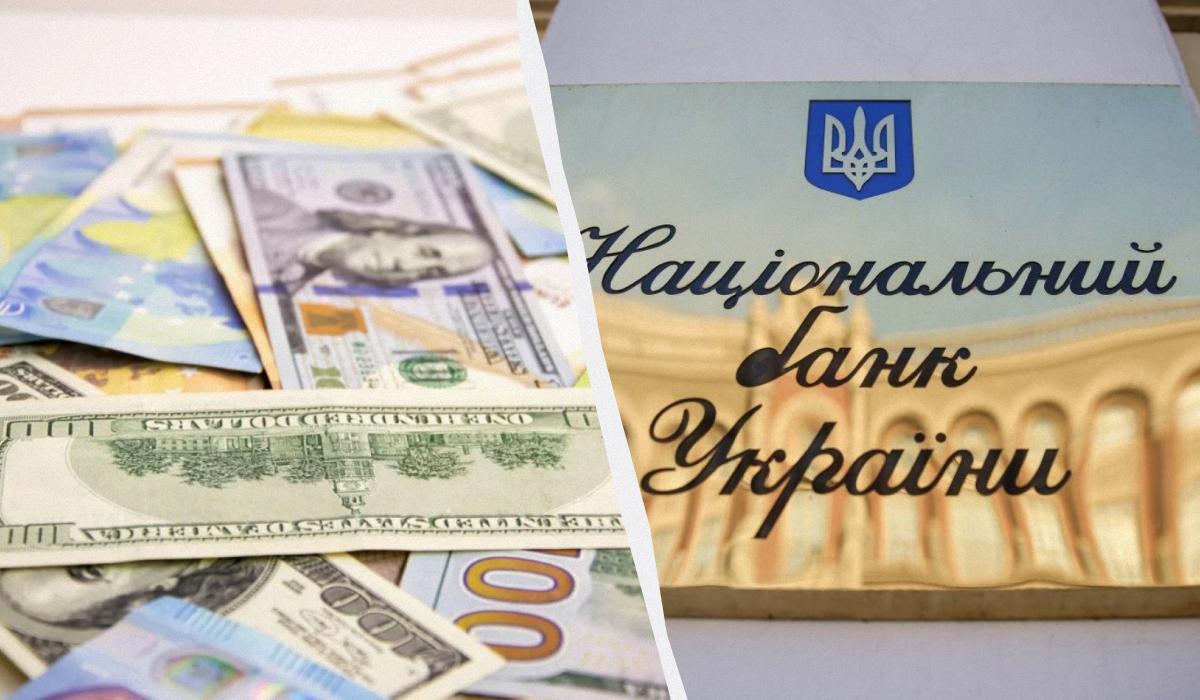
Ukrainian banks will increasingly tighten oversight of client funds, monitoring where the money comes from, Serhiy Mamedov, vice president of the Association of Ukrainian Banks and chairman of the board of Globus Bank, said on a podcast hosted by financial analyst Oleksiy Kozyriev.
Mamedov said customers should always be ready to explain where they earned money they plan to invest. He said acceptable proof could include documentary confirmation of income from asset sales, deposit placements, a filed tax declaration or a salary. He added that requirements around the origin of funds would only keep tightening.
Push toward EU membership
Mamedov said that as Ukraine moves toward European Union membership, requirements for transparency around the origin of funds would carry increasing weight. Ukraine has been a candidate for EU membership, a status that comes with expectations of aligning financial and regulatory standards with the bloc.
He explained that modern financial monitoring systems currently operate mostly in automated mode. According to Mamedov, algorithms analyze the full range of banking transactions and respond mainly to atypical financial behavior. He said attention could be drawn by a large incoming transfer followed by its distribution across many cards, or other transactions that differ significantly from a customer's usual account activity.
He said automatic algorithms analyze the entire array of transactions passing through a bank, and if inconsistencies appear, the transaction is flagged for closer review.
What banks may ask customers to do
In such cases, a bank may ask a customer to explain the transactions or to provide documents confirming the origin of the funds. Mamedov advised customers to respond promptly to such requests from banks.
He said the best approach was not to ignore a bank's request but to contact the institution as quickly as possible through support, a mobile app or other official channels and provide the necessary information.
Recent steps on financial monitoring
In 2024, the National Bank of Ukraine signed a memorandum on ensuring transparency in the bank payment services market with a number of banks and industry associations. The document provided for limits on card transfers: up to 150,000 hryvnias a month from February 1, 2025, and up to 100,000 hryvnias a month from June 1, 2025.
In May, it became known that banks would tighten transfer restrictions for certain categories of entrepreneurs. In late June, Mamedov said Ukraine would introduce phased transfer limits for newly registered and inactive individual entrepreneurs classified as higher risk.
He said that from around August 14, 2026, a limit on domestic transfers of up to 600,000 hryvnias a month could apply to first-group individual entrepreneurs, and up to 3 million hryvnias for second- and third-group entrepreneurs. From November 14, 2026, these limits could be lowered to 400,000 hryvnias for the first group and to 1 million hryvnias for the second and third groups.