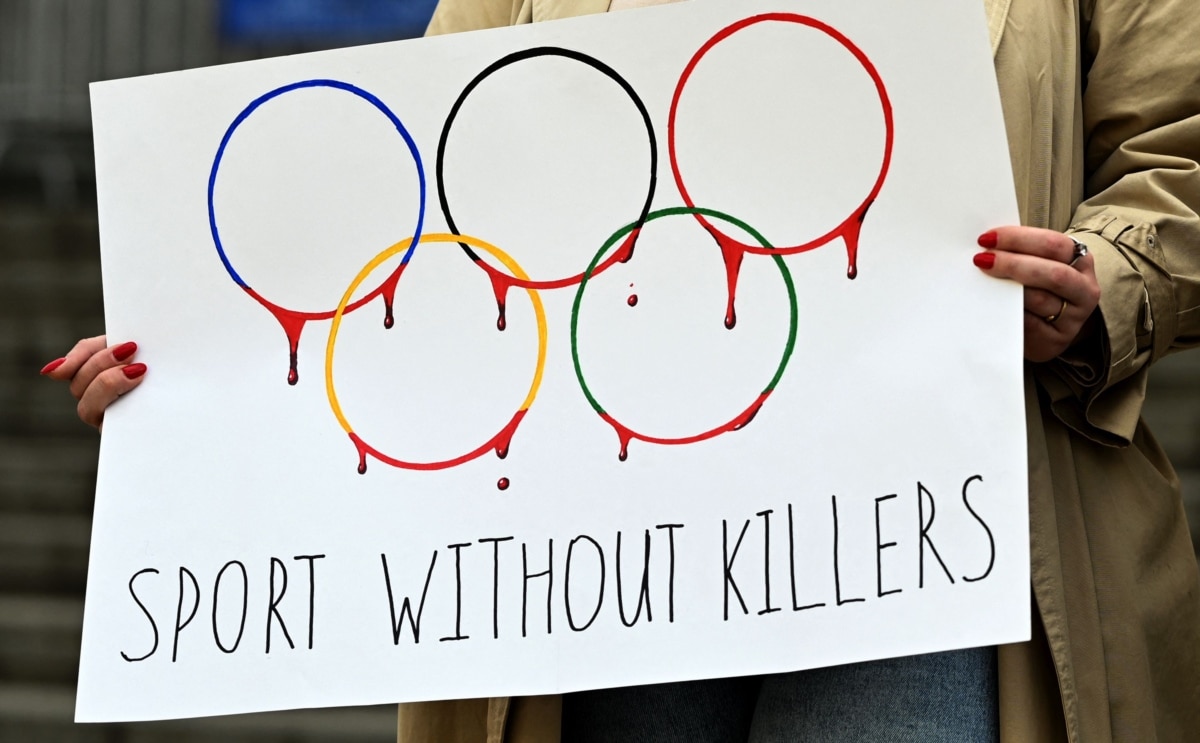
Ukrainian skeleton athlete and Olympian Vladyslav Heraskevych is urging American lawmakers and the U.S. State Department to deny visas to Russian athletes seeking to compete under the Russian flag at the 2028 Summer Olympics in Los Angeles. He said Moscow has turned sport into a tool of war propaganda.
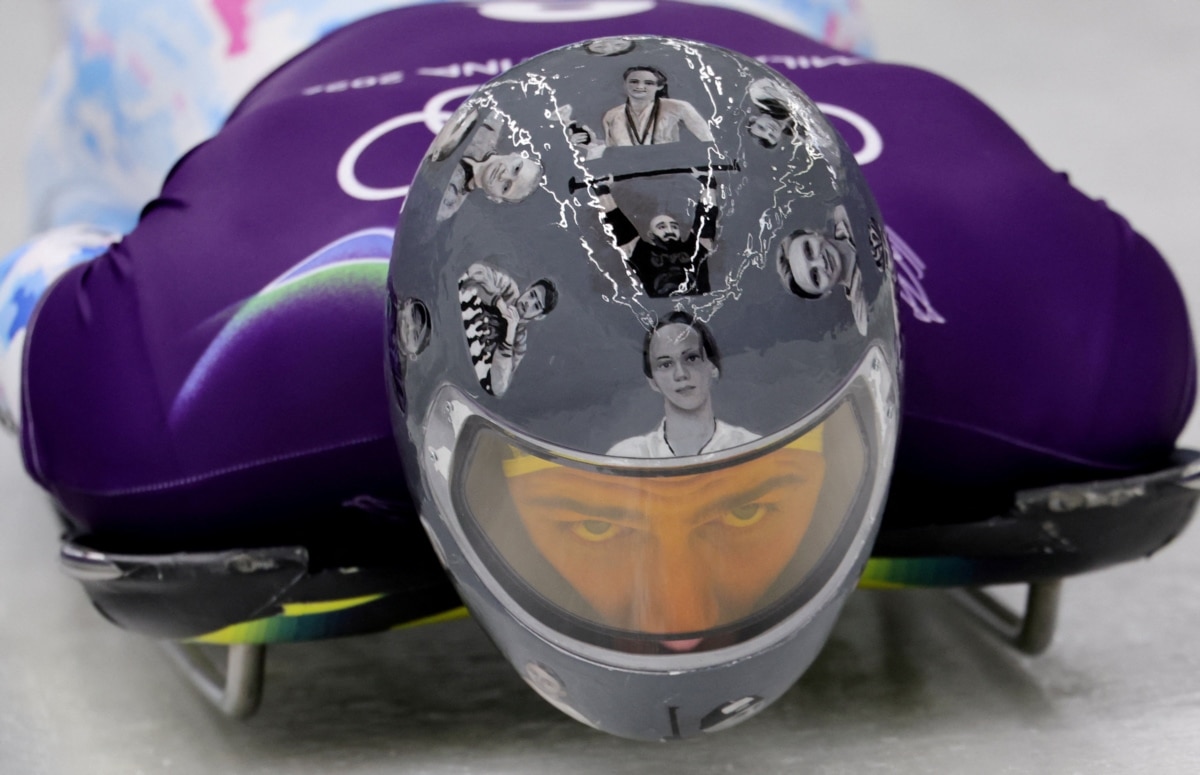
Heraskevych, who is in Washington for meetings with members of Congress and other U.S. officials, said the United States could play a role in preventing the Los Angeles Olympics from becoming a platform for Kremlin messaging.
His appeal follows a decision by the International Olympic Committee (IOC) to reinstate the status of the Russian Olympic Committee and cancel recommendations that had restricted Russian athletes from international competitions. On July 7, the IOC "temporarily lifted" the disqualification of the Russian Olympic Committee that it imposed in October 2023 after the committee incorporated sports organizations from occupied Ukrainian territory. The IOC has not yet made a final decision on whether the Russian flag, anthem or other national symbols will be permitted at the 2028 Games. Ukraine has opposed the easing of restrictions and is calling for Russian and Belarusian athletes to remain suspended until the end of Russia's aggression.
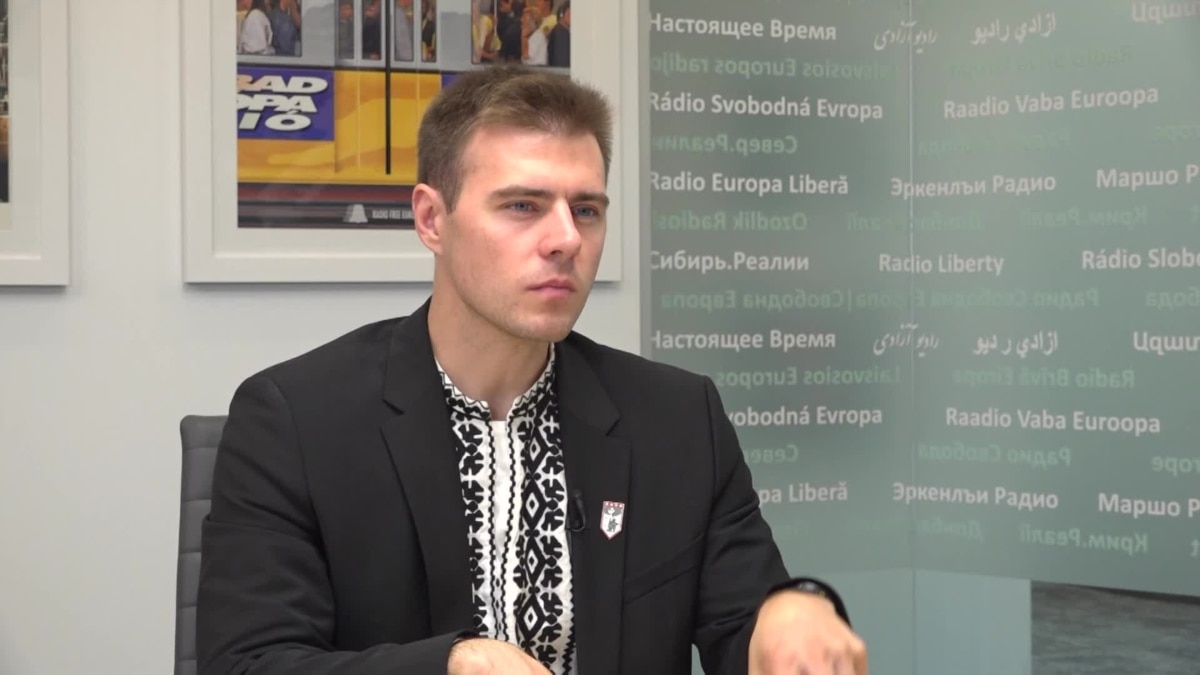
"We live in the real world," Heraskevych told RFE/RL in an interview on September 14. "Competitions take place in real countries, in real places."
He said that while international sports organizations can issue recommendations, it is governments that control access to their own territory, giving the United States a potential mechanism to keep Russian athletes out.
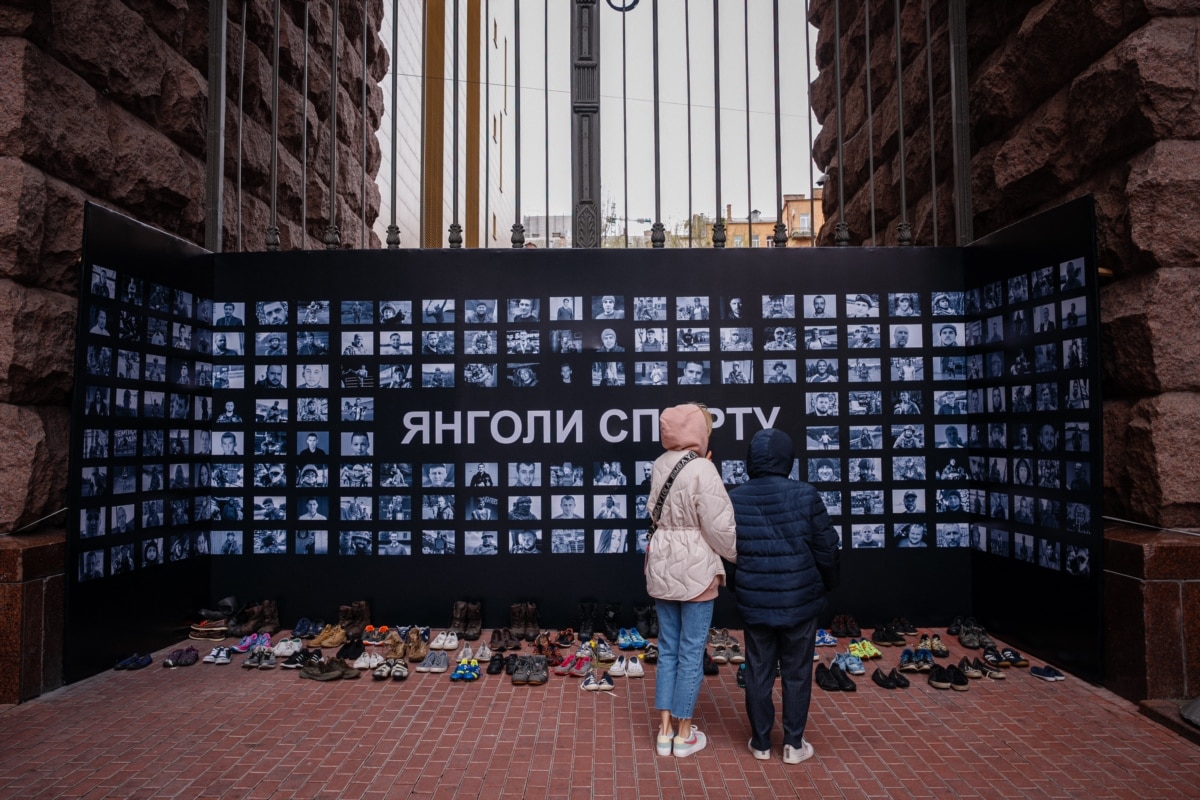
Heraskevych is calling on Washington to maintain restrictions under which Russian athletes who meet certain criteria can compete only as neutral athletes, without Russian flags, symbols or official delegations.
"Our main goal is to show these specific cases, these specific names, and demonstrate that sport is not outside politics," he said.
Russian sport "used in propaganda"
Heraskevych said politicians need to abandon what he called a mistaken assumption that sport can be separated from politics. Many people believe sport is outside politics, he said, but Russian sport is used in propaganda.
He pointed to the participation of Russian athletes in political events, their support for the political system of President Vladimir Putin, and activities connected to Russia's war against Ukraine. He also cited what he described as Russian athletes taking part in events involving Ukrainian children forcibly taken to Russia, as well as activities linked to the military.
Ukraine already uses information about specific Russian athletes to impose personal sanctions. In February, President Volodymyr Zelensky imposed sanctions on ten Russian athletes whom Ukrainian authorities consider complicit in supporting Russia's aggression. The decision came after a petition by Heraskevych calling for sanctions against athletes who support the war or are linked to Russian military structures.
He said the use of sport for political purposes began before Russia's full-scale invasion of Ukraine in February 2022, pointing to the doping scandal surrounding Russian sport and the 2014 Winter Olympics in Sochi. "We all remember how the Russian security services were involved in that scandal," he said.
An independent investigation for the World Anti-Doping Agency found that Russia operated a state-run system for concealing doping. A report by Richard McLaren found that during the Sochi Olympics a Russian anti-doping laboratory swapped athletes' samples, with Russia's Sports Ministry coordinating the scheme alongside the Federal Security Service and other state bodies.
Heraskevych said Russia has since expanded its use of sport to promote militarization and normalize the occupation of Ukrainian territory. He cited the Russian youth movement Yunarmiya, which he said is aimed at preparing a new generation for military service, as well as sports competitions where Russian organizers present occupied Ukrainian territories as part of Russia.
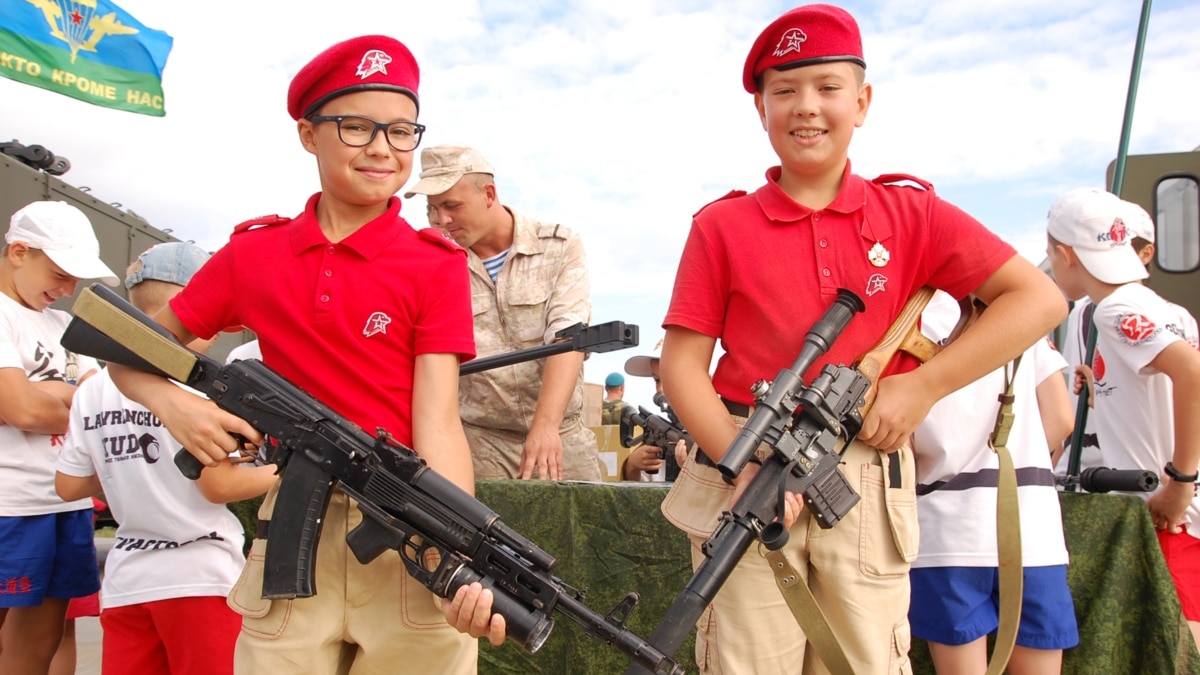
"These are just a few examples of how Russia uses sport, uses this platform to spread its propaganda, to strengthen and empower its war machine," he said.
Kateryna Lisunova, a media adviser at the U.S. nonprofit Razom for Ukraine, which is supporting Heraskevych's Washington campaign, said the effort is also meant to warn Americans about how Moscow uses institutions that appear apolitical.
"It's important to inform American officials and the American public, and to prevent them from becoming a tool in Russia's hands for war propaganda," Lisunova told RFE/RL. She said Russia uses "many good things, like art and sport," to promote and normalize the war and make audiences feel as though nothing is happening.
Visa bans
Heraskevych said visa restrictions could give the United States a practical way to pursue its own policy independent of decisions made by international sports organizations.
He cited recent examples from Europe and Canada in which Russian athletes were denied visas after authorities were presented with evidence of their support for Russia's war or their use of pro-Kremlin symbols.
He referred to the 2026 European Taekwondo Championships in Germany, where Russian athlete Vladislav Larin was denied a visa after evidence emerged that he had publicly raised money for the Russian military.
He also cited the 2026 World Junior Curling Championship, at which Russian athletes were denied visas after evidence surfaced of them being photographed with symbols associated with Russia's invasion.
Visa decisions by individual states are already affecting Russian athletes' ability to return to international competition. Russian taekwondo athletes, including Larin, failed to arrive in time for the European Championship in Munich in May because of problems obtaining German visas. A Russian junior curling pair also did not compete at the world championship in Canada; World Curling said officially that the team could not take part because of visa delays.
Latvia has likewise denied visas to Russian athletes seeking to take part in international competitions, Heraskevych said.
"We have cases, successful cases," he said. "I think this is a great experience, and we should share it with the U.S."
He acknowledged that visa bans alone will not change Russia's policy but said they can prevent international sports competitions from being used as propaganda platforms.
"I think this is one of the possibilities, one of the options of what we can do, and this is also something that lawmakers can do," he said.
The IOC's decision does not mean an automatic return of Russian athletes to all international competitions. Individual sports federations retain their own restrictions: World Athletics continues to bar Russian and Belarusian athletes from its international tournaments because of the war, and World Curling extended the suspension of adult Russian athletes until the end of 2026 in a decision made in August. Other federations, meanwhile, are gradually allowing Russians to return in neutral status.
Heraskevych's own Olympic protest
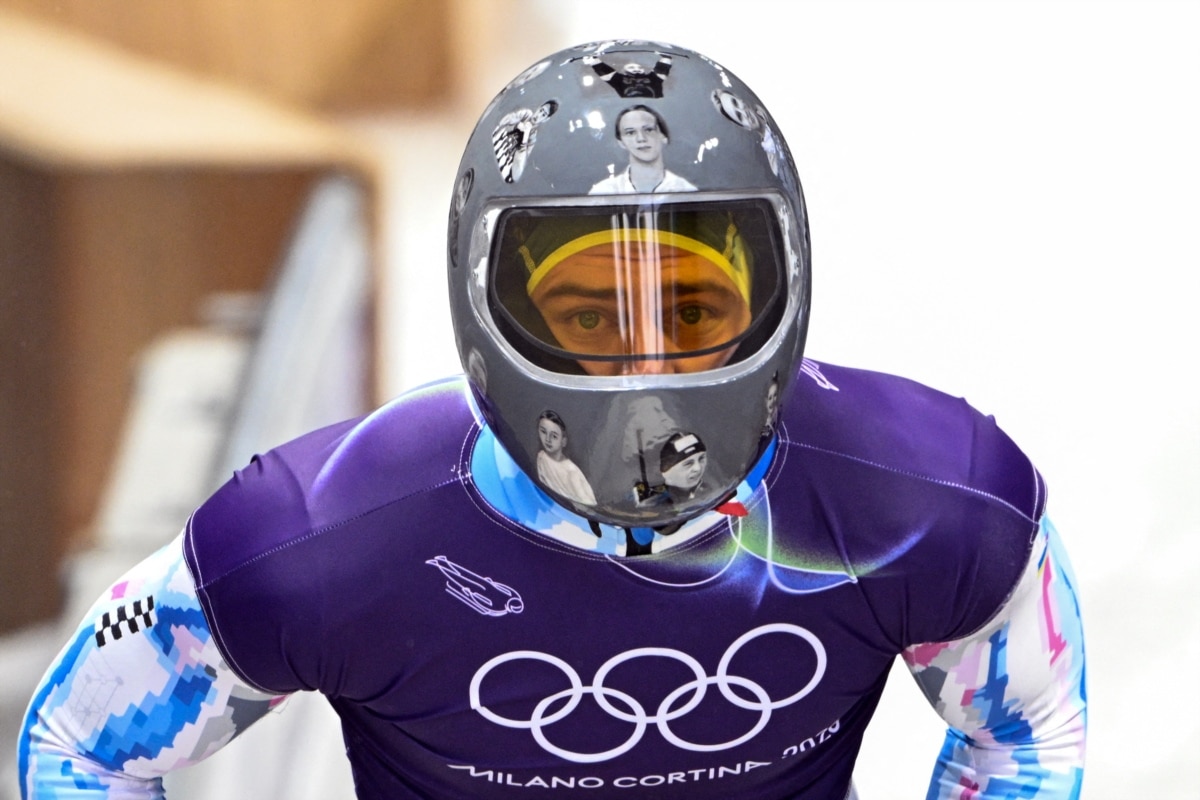
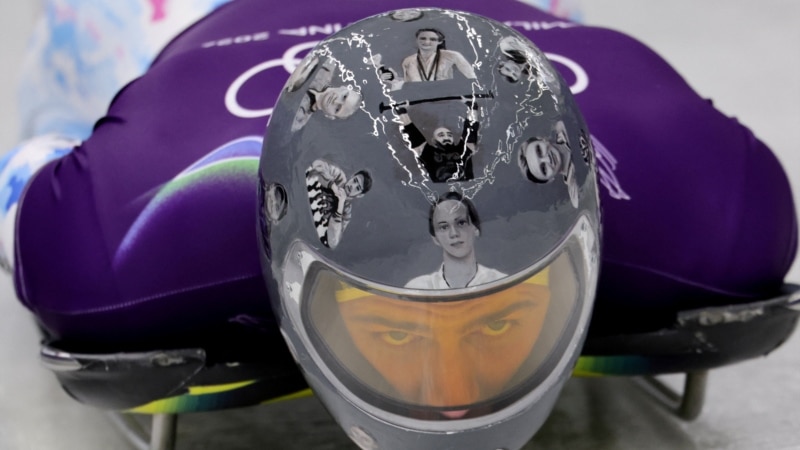
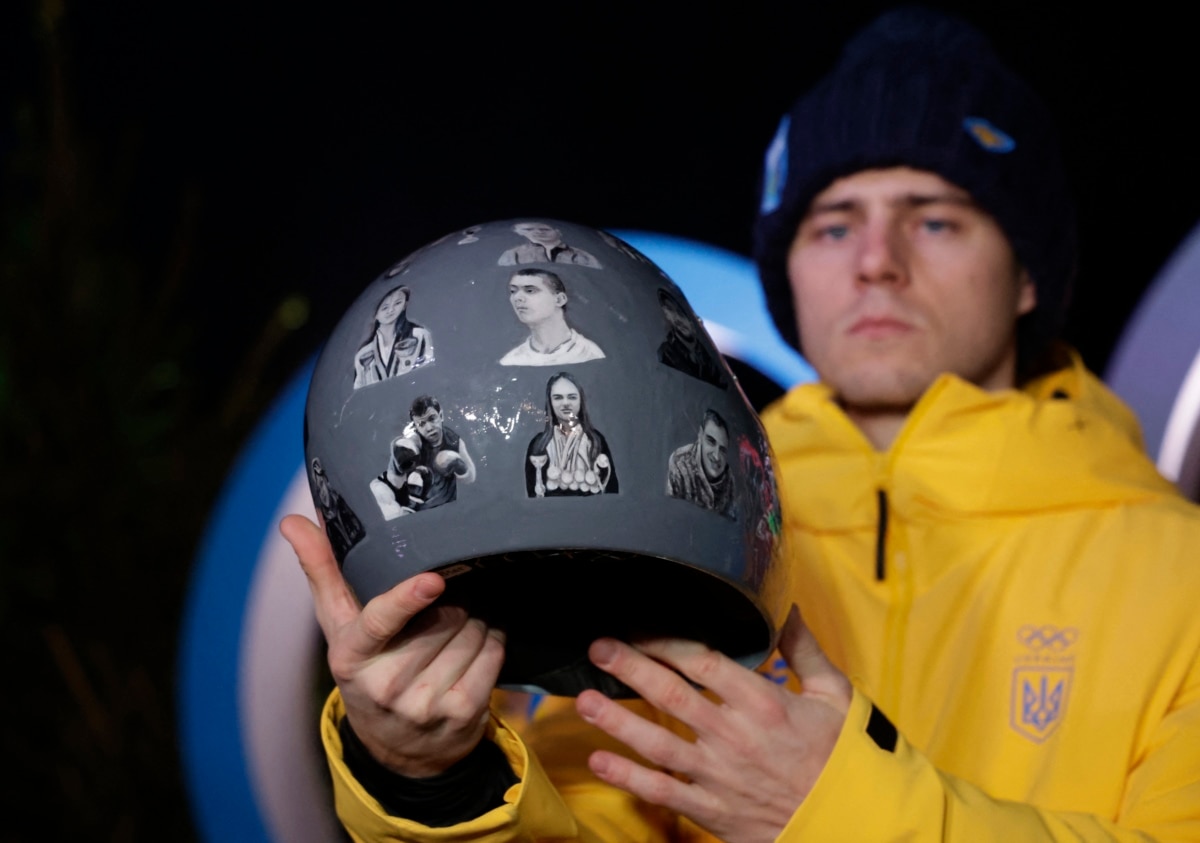
Heraskevych's campaign is also tied to his own experience at the 2026 Winter Olympics, where he was penalized after displaying a message on his helmet honoring Ukrainian athletes killed as a result of Russia's war against Ukraine.
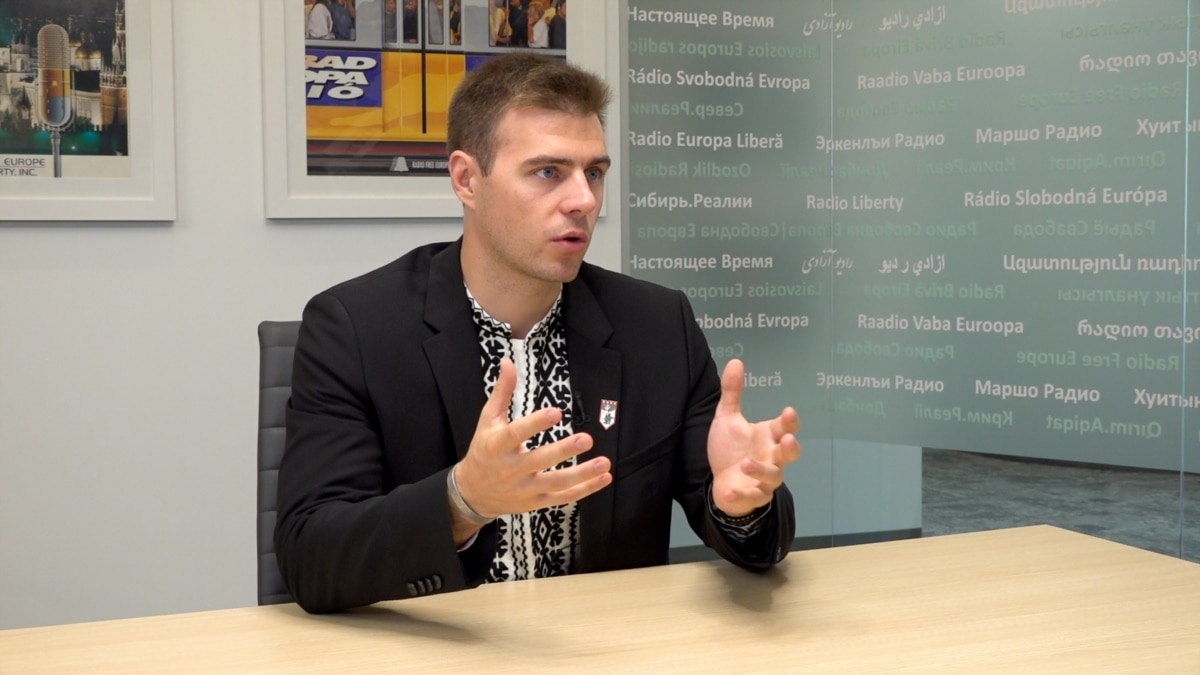
He said he still does not understand why he was disqualified, stressing that it was simply an act of remembrance. His "memory helmet" featured images of Ukrainian athletes killed by Russian aggression.
After his disqualification, Heraskevych appealed the decision of the IOC and the International Bobsleigh and Skeleton Federation to the Court of Arbitration for Sport (CAS). The court rejected his claim, ruling that freedom of expression is guaranteed at the Olympic Games but not directly at the competition venue.
He said the episode deepened his concern that international sports institutions are increasingly opening the way for Russian participation while avoiding responsibility for the consequences. "I think this is connected, and this is not a coincidence," he said.
For Heraskevych, the dispute ultimately concerns what the Olympic movement is supposed to represent. "The Olympic Games and the Olympic movement are all about peace, about a peaceful mission, about building bridges," he said. "But when you allow terrorists to compete and give them this platform, it no longer has anything to do with peace and a peaceful mission."
He said the goal of his visit to Washington is not to stop the Olympics from remaining a venue for international sports competition, but to ensure Russia cannot use the event to legitimize its war. "We must protect this platform and try to make it a better place, not a place where Russia will spread its propaganda," Heraskevych said.