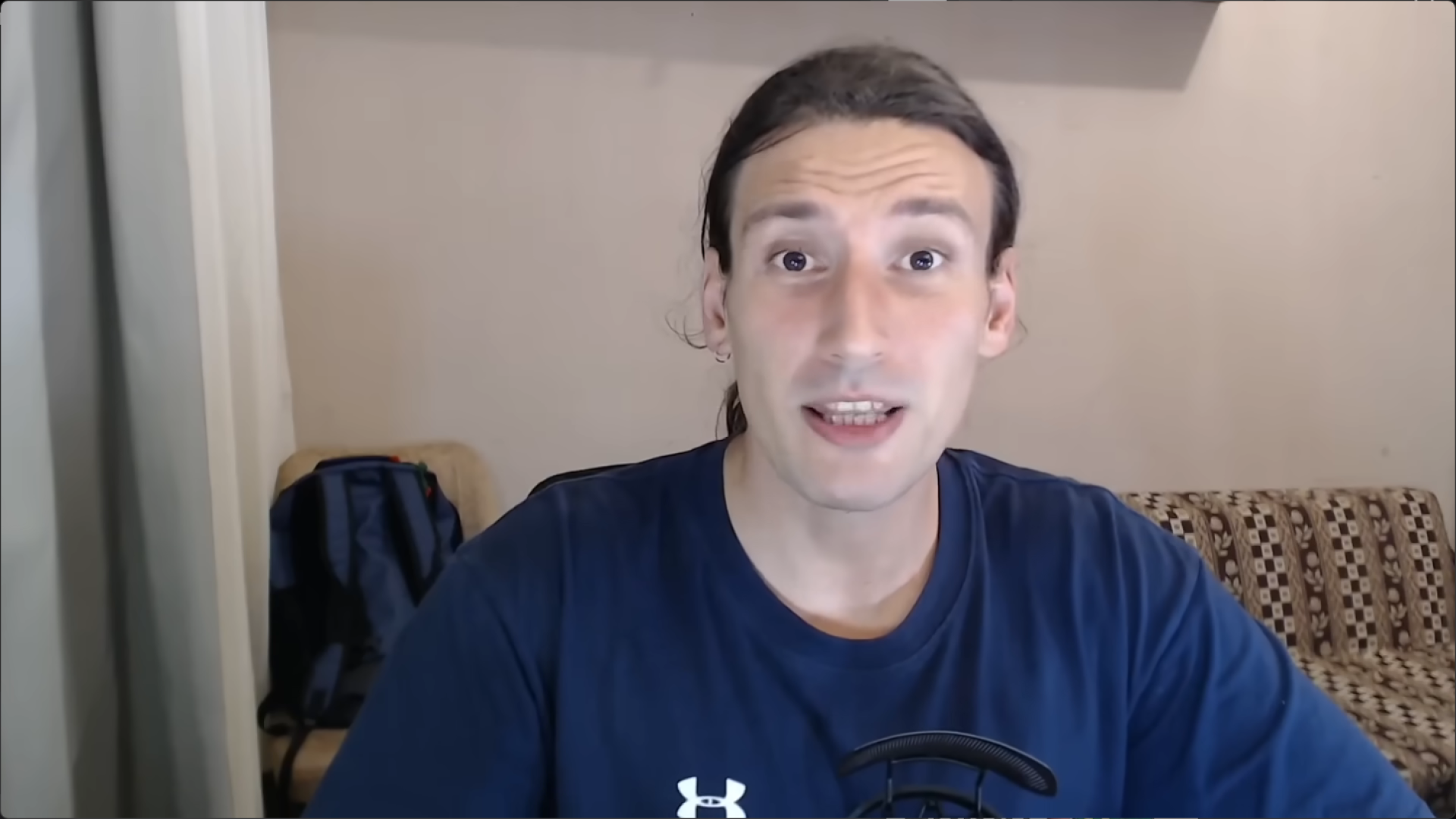
Toni Cuenca, a technology expert and content creator known on social media as Linkfydev, has warned that asking artificial intelligence tools such as ChatGPT to generate a password is one of the most dangerous decisions users can make with their online accounts.
Cuenca said AI tools do not generate information randomly. Instead, they base their answers on statistical patterns and predictions drawn from the data they were trained on, which he said makes them unsuitable for creating secure access codes.
Why AI keeps picking the number seven
To illustrate the problem, Cuenca proposed a simple test anyone can try at home. He said that if a user opens a conversation with an AI and asks it to pick a number between one and ten, it will answer seven. He demonstrated this using Google's Gemini, which gave that exact answer.
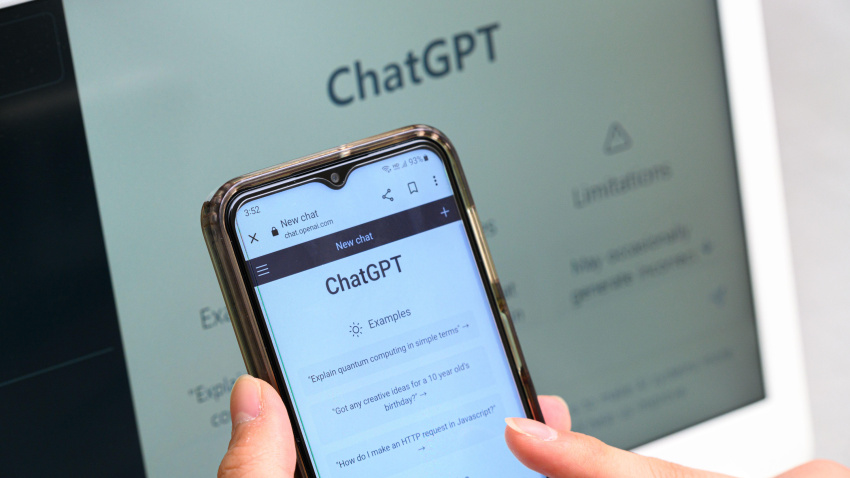
Cuenca explained that this is not a coincidence or a sign of machine preference. Because most people tend to choose seven when asked for a random number, the AI learns that this is the statistically most likely answer and repeats it.
ChatGPT passwords starting with G7
Cuenca said the same predictability applies to passwords. When he asked ChatGPT to generate an eight-character password, the result was alarmingly similar each time, typically beginning with the characters G7.
Repeating the test several times produced the same outcome, according to Cuenca, who described getting G7 again and again. He said that when the generated passwords are compared, they are practically identical, with very little changing between them. He said generating passwords with AI is extremely dangerous because the tool is essentially making a prediction rather than creating something new, meaning an attacker who knows the pattern could crack an AI-generated password with startling ease.
Same pattern across other AI models
Cuenca said the flaw is not limited to one company. He said Claude shows the same behavior, also generating passwords that begin with the prefix G7. He said more advanced systems, which he referred to as "Chat GPT 5.2," systematically produce passwords starting with the letter V instead.
To support his warning, Cuenca pointed users to the website of Irregular, where he said detailed documentation exists on a phenomenon he calls "bypassword generation," a study analyzing how the password patterns of different AI systems are practically identical to one another.
Visible passwords in images andenv files
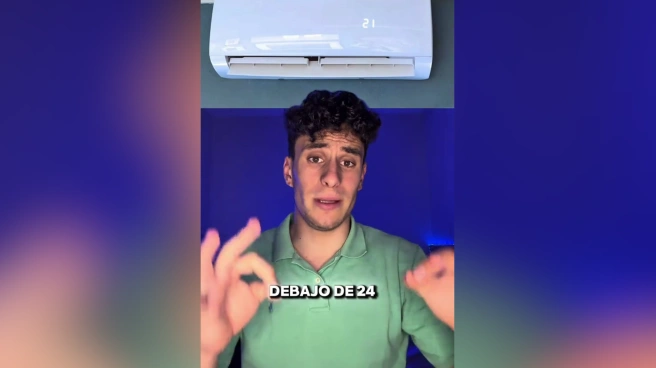
Cuenca also warned about a separate, everyday risk: AI-generated images that include sticky notes or Post-its with passwords visible in the background. He said this could be a serious problem if someone asks an AI environment to display a password, since these visual details also follow predictable patterns that can be exploited.
He directed a specific warning at software developers, urging them to be careful withenv files, which store automatically generated passwords. Cuenca's overall recommendation is to rely on traditional password managers that use genuine random number generators, and to reserve artificial intelligence for creative tasks rather than for protecting personal security.