The Centro de Estudios de Física del Cosmos de Aragón has put out to tender a new 9.1 million euro telescope at the Javalambre Observatory in Teruel to protect Earth from space threats.
The project aims to enhance planetary defence and space surveillance capabilities by improving the detection, observation, and monitoring of asteroids, satellites, and orbital space debris.
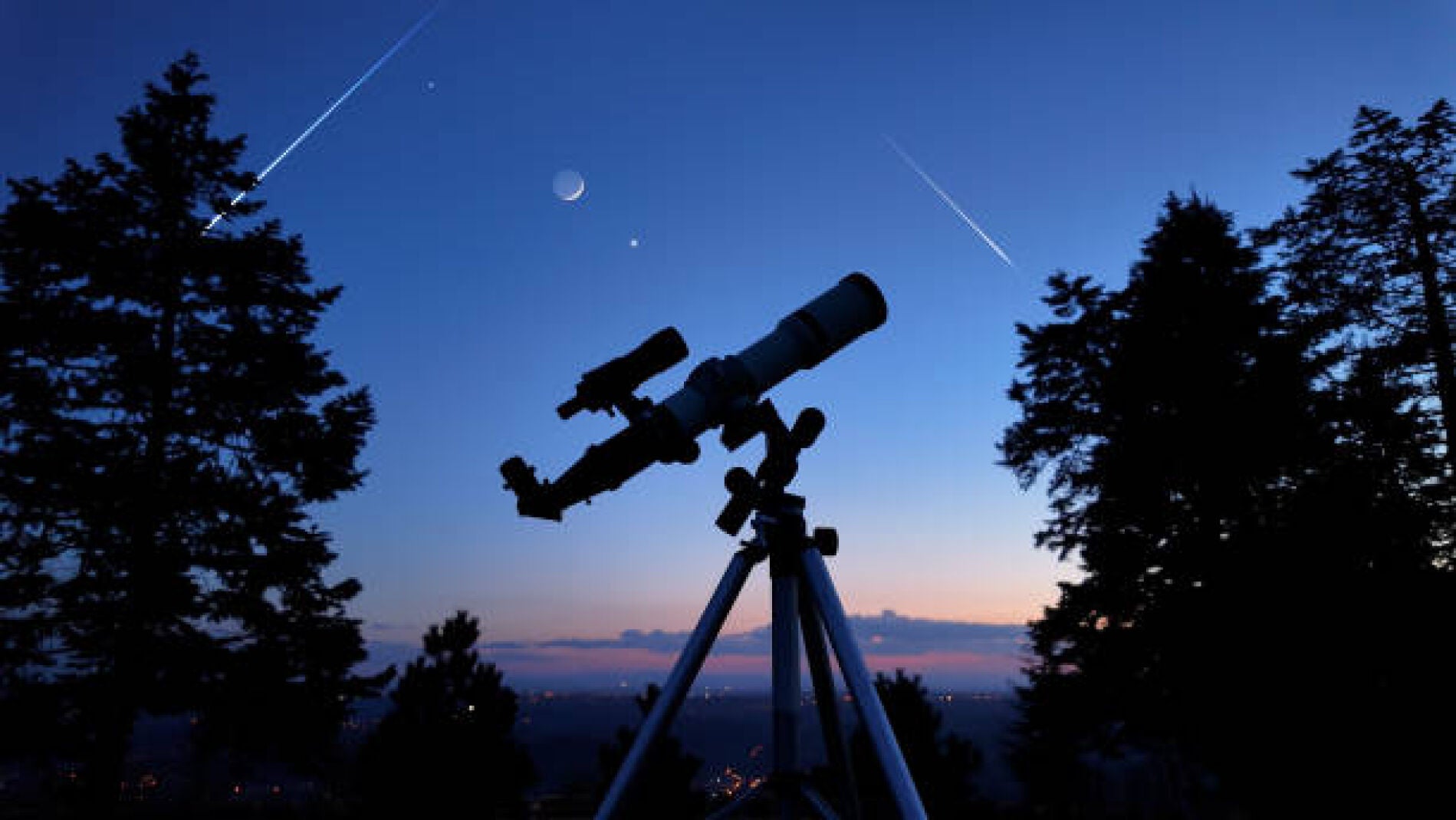
Known as the T150, the new instrument features a wide field of view designed to scan large regions of the sky in short periods. The tender contract covers the design and supply of the telescope, the construction of its housing dome, and project management for the installation.
The contract sets a 30-month execution window for the project, with officials expecting the instrument to become operational in 2029.
Expanding the Javalambre Observatory
The T150 will become the third telescope operating at the Javalambre Observatory, which is located on Pico del Buitre in the Sierra de Javalambre mountain range in eastern Spain. Teruel is a province within the autonomous community of Aragón.
Astronomical work at the mountain site began in the late 1980s. Situated at an altitude of approximately 2,000 metres, the observatory benefits from dark skies and minimal atmospheric interference, far removed from urban light pollution and city development.
The two telescopes already active at the site have generated more than 100 scientific publications to date and identified thousands of asteroids in the solar system.
Tracking Asteroids and Space Debris
With the addition of the T150, forecasts from the Centro de Estudios de Física del Cosmos de Aragón indicate that the facility will be able to detect around 7,000 objects every year.
The increased observational capacity is intended to enable earlier detection of space bodies that could pose a threat to Earth.
Beyond asteroid tracking, the T150 will provide precise monitoring of orbital fragments forming space debris around Earth. Space debris consists of defunct human-made objects, such as spent rocket stages and inactive satellites, orbiting in outer space.
The initiative comes amid a steady increase in global satellite launches. Maintaining accurate positioning and trajectory data on orbiting items is crucial for reducing collision risks during active space missions.