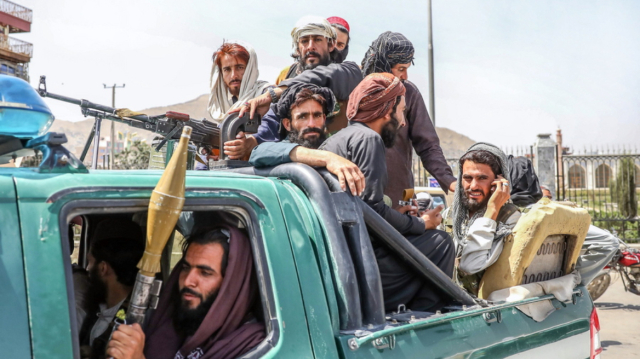
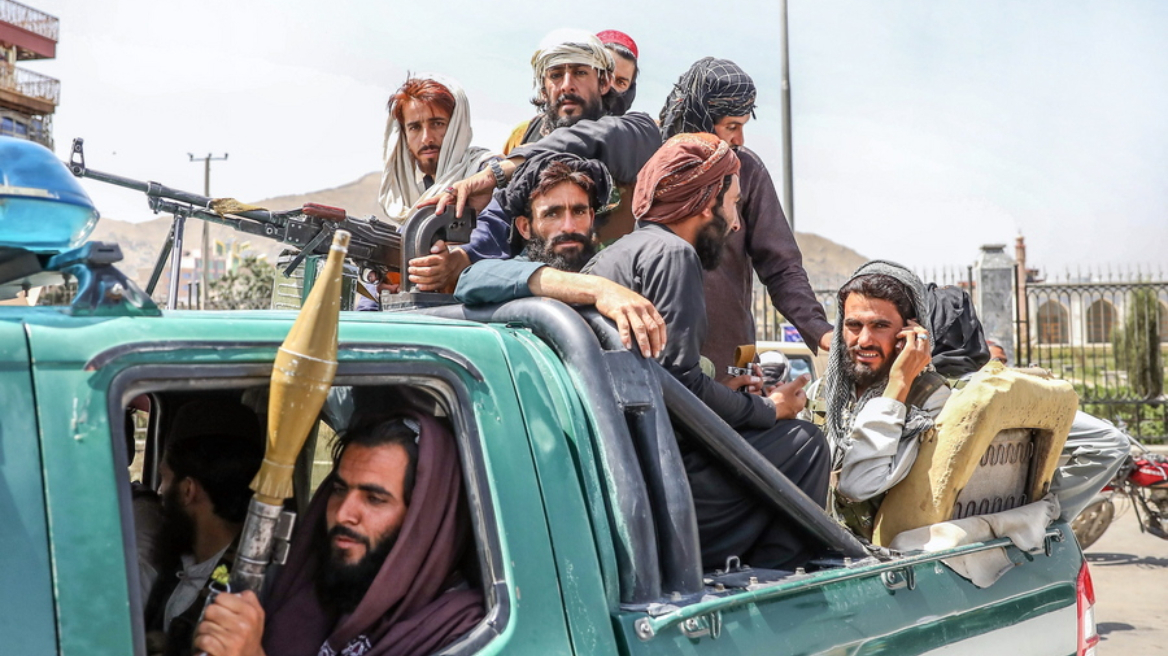
The Taliban marked five years since seizing power in Afghanistan on August 15, 2026, as new legal frameworks consolidated strict rule and physical punishments.
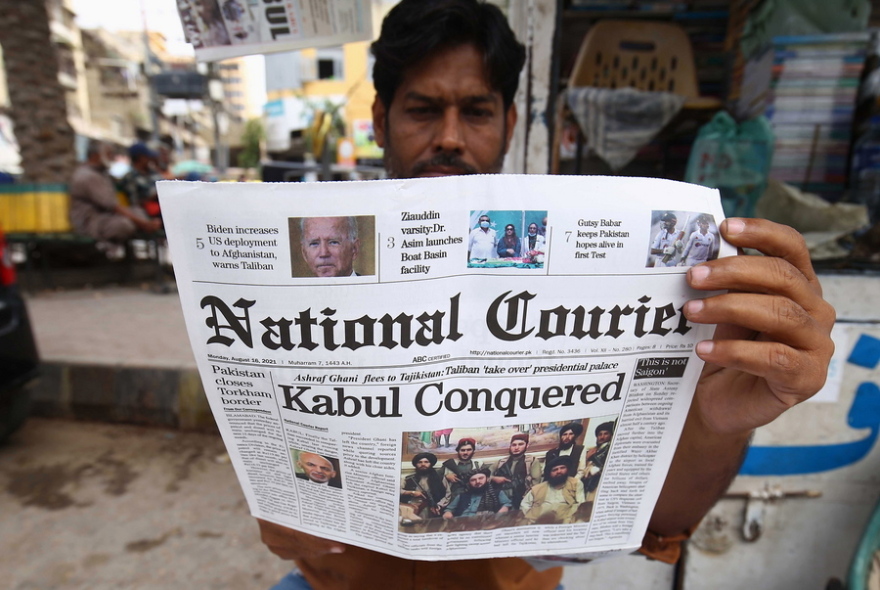
Five years after foreign forces withdrew and former President Ashraf Ghani fled Kabul, the regime has reversed initial promises of moderate governance, rights for women, media freedom, and political inclusion.
Instead, a new 58-page criminal code introduced early in 2026 institutionalizes floggings, imprisonment, a rigid social hierarchy, and references to slavery, according to human rights monitors.
Unfulfilled Promises on Women and Education
Before and immediately after taking power, Taliban leaders issued public assurances regarding civil rights. In February 2020, deputy leader Sirajuddin Haqqani wrote that Islamic rights for women, including education and work, would be protected. In July 2021, political office spokesman Suhail Shaheen stated women could study, work, and participate in politics. Two days after Kabul fell, communications spokesman Zabihullah Mujahid held a press conference promising women would work and study within Islamic law.
However, restrictions quickly expanded. Secondary schools for girls remained closed in September 2021, and a decision to reopen them was revoked in March 2022. By December 2022, women were banned from attending university and faced wider workplace prohibitions.
According to UNESCO figures, approximately 2.4 million girls have been deprived of secondary education by August 2026. More than 160 decrees have restricted female movement, dress, employment, and expression, making Afghanistan the only country globally to officially prohibit female education beyond primary school.
UN Women stated that no other modern nation has stripped away the rights of half its population through laws and practices to the same degree. The agency noted that overlapping economic and humanitarian crises and worsening poverty continue to affect women disproportionately.
Mental Health Crisis and Social Isolation
A report released by the United Nations based on surveys of roughly 5,000 Afghans across rural and urban areas in 2025 and spring 2026 highlights widespread distress. About 65 percent of women and 55 percent of men surveyed said their lives were worse than anticipated prior to August 2021.
While male respondents cited a lack of economic opportunities, female respondents attributed their dissatisfaction to lost educational access and restrictions on work and personal movement. UN researchers warned of a growing mental health crisis driven by anxiety and social isolation.
The survey revealed that 90 percent of female respondents require permission from a male family member to leave home, with more than half venturing outside only once or twice a month. In contrast, over 95 percent of male respondents reported leaving home daily. Furthermore, nearly 40 percent of women surveyed in 2026 reported feeling increased community pressure to alter their behavior due to fear of being reported by acquaintances for inappropriate speech, dress, or actions.
Amnesty Violations and Press Suppression
Although Zabihullah Mujahid announced a general amnesty on August 17, 2021, promising forgiveness for former government officials, military personnel, and foreign force allies, record keeping shows widespread abuses. The United Nations Assistance Mission in Afghanistan documented at least 800 violations against former officials and security personnel between August 2021 and June 2023, including extrajudicial executions, arbitrary arrests, torture, and forced disappearances.
Violations have persisted into 2026. Between April and June 2026, inspectors recorded eight killings, 29 arbitrary arrests, and five cases of torture or ill-treatment targeting former security personnel and officials.
Media freedoms have similarly eroded despite early assurances that private news outlets would operate independently. Authorities have enacted more than 20 restrictive decrees alongside regional mandates, causing Afghanistan to drop to 175th place out of 180 countries in the 2026 Press Freedom Index. Female journalists face heightened bans, and some regions have prohibited broadcasting images of living beings.
Monopolized Power and Diplomatic Isolation
During talks in Doha in September 2020, Taliban leader Mullah Abdul Ghani Baradar claimed the movement sought a government where all citizens could participate without discrimination. Suhail Shaheen also stated weeks before Kabul fell that the group did not believe in a monopoly of power.
On September 7, 2021, the Taliban formed an interim administration comprising 33 members, all of whom were Taliban figures and predominantly Pashtuns. Five years later, the administration retains an absolute monopoly on executive authority without participation from other political groups.
On the international stage, the regime expanded control over several Afghan embassies, but formal recognition remains scarce. By August 2026, Russia stood as the sole nation to grant official recognition, doing so in July 2025. International sanctions against key Taliban leadership remain active.
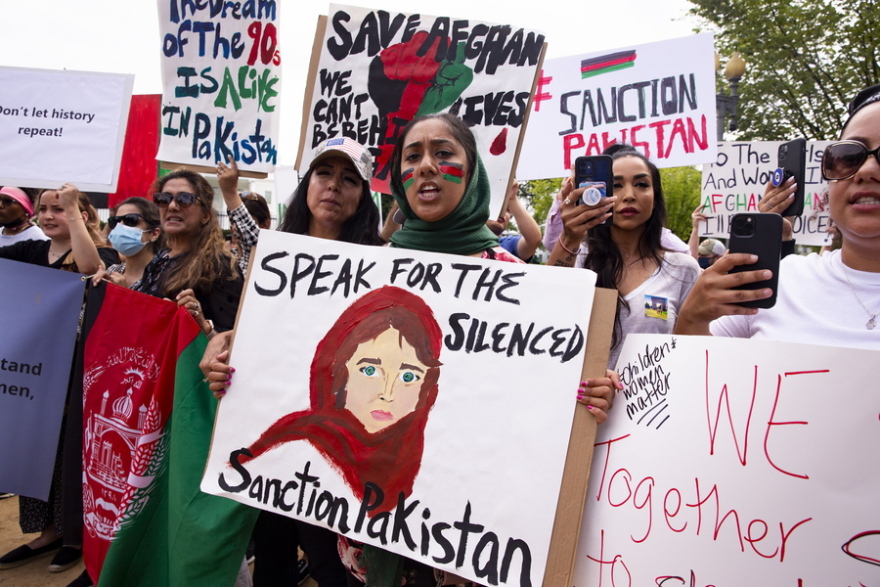
Relations with neighboring Pakistan have deteriorated into armed conflict. Following border clashes in February 2026, Islamabad declared war on Kabul and conducted cross-border airstrikes. Ongoing negotiations aimed at restoring border security have not produced signed formal agreements.
New Penal Code and Legalized Class Hierarchy
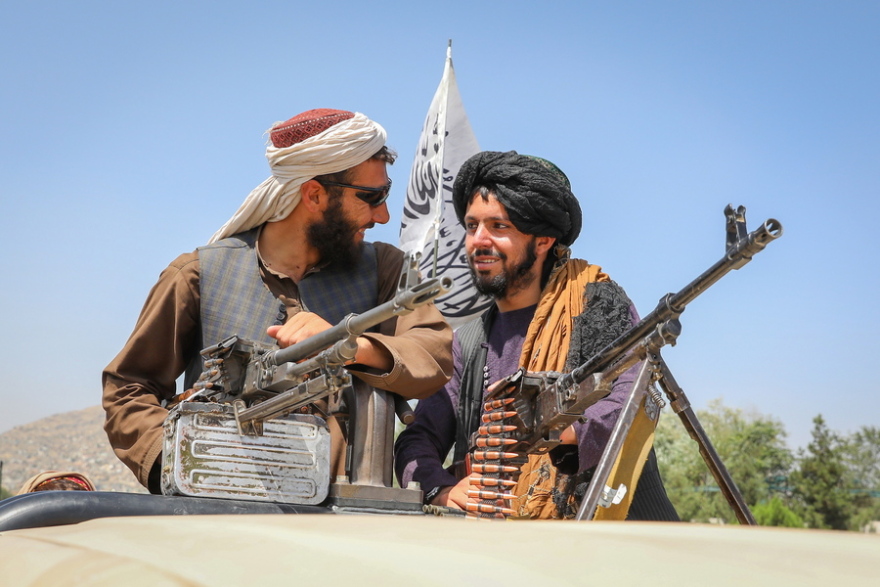
At the start of 2026, the Taliban quietly introduced a nationwide penal framework comprising 58 pages, 10 chapters, and 119 articles. The document mandates strict adherence to Supreme Leader Hibatullah Akhundzada and enforces more than 200 executive decrees.
The new code strictly criminalizes expression, ranging from public dancing to political dissent. Insulting Taliban leaders carries a penalty of 20 lashes and six months in prison.
Furthermore, the law codifies a rigid four-tiered social hierarchy consisting of religious scholars, elites, a middle class, and a lower class. Legal protections favor regime loyalists and high-ranking officials, while ordinary citizens, women, and ethnic minorities face higher exposure to floggings, detention, and fines.
Independent Afghan media reports indicate the code treats women largely as property. A woman visiting relatives without her husband's permission faces up to three months in prison, whereas husbands convicted of severe domestic abuse face a maximum penalty of 15 days.
Reintroduction of Slavery Terms and Child Protection
According to the Afghan human rights organization Rawadari, the new legal framework explicitly incorporates the term slave, or Ghulam, across multiple sections. Rawadari stated that embedding the term effectively acknowledges and legalizes human exploitation and forced servitude.
Human rights groups also raised alarm over child welfare provisions. The code omits explicit prohibitions against psychological, physical, or sexual abuse of minors, while authorizing fathers to administer corporal punishment to children as young as 10 for failing to perform religious prayers.
The sole restriction on physical discipline appears in Article 30, which Rawadari reported only forbids teachers from inflicting violence that results in broken bones, skin wounds, or bruising. Data from the source indicates that 81 percent of children in Afghanistan have experienced physical punishment, alongside ongoing reports of child labor, forced marriage, child recruitment, human trafficking, and bacha bazi, the exploitation of young boys by adult men for entertainment.
Five years after the fall of Kabul, opposition figures state that early Taliban promises served merely to pacify domestic fear and international scrutiny. As the regime consolidates control in 2026, critics point to the official inclusion of the word Ghulam as symbolic of Afghanistan's trajectory under Taliban rule.