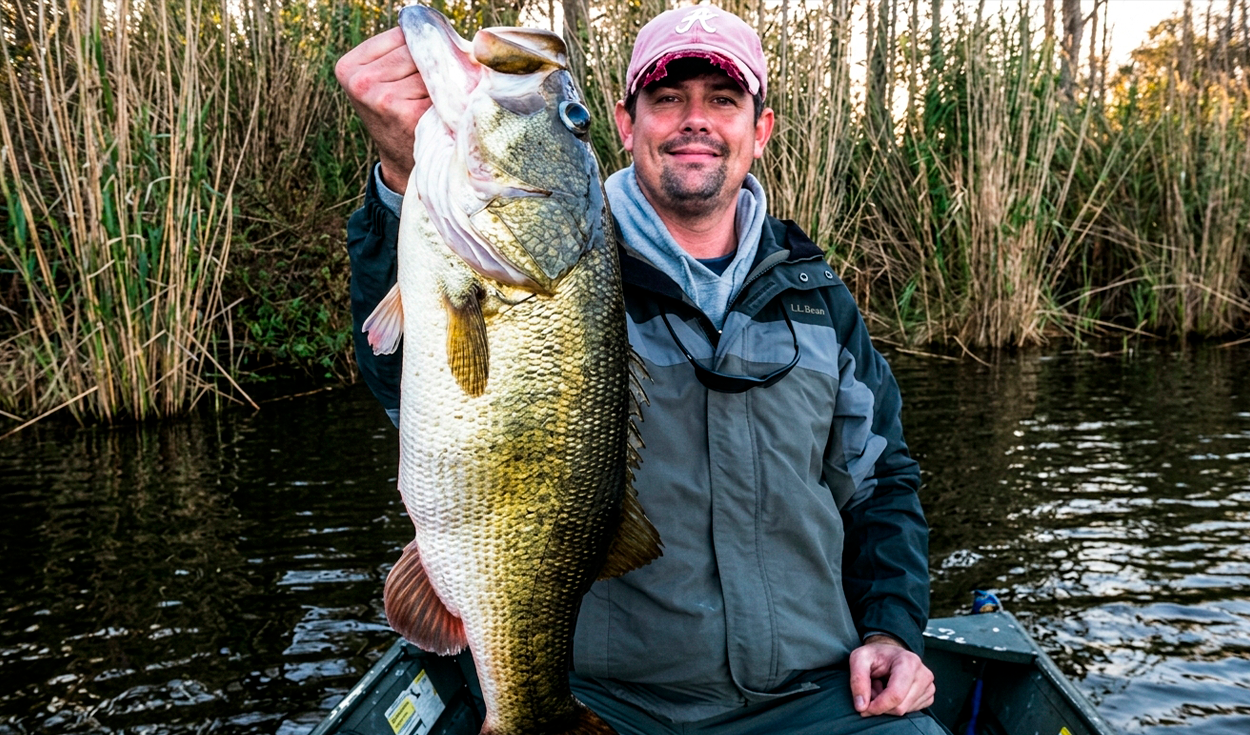
Content creator and fisherman Stephen Russell, known online as BamaBass, has transformed a former agricultural field in the United States into a five-acre aquatic reservoir that evolved into a wild animal sanctuary over 1,000 days.
What began as an initiative to raise sport fish turned into a major landscape change, documenting how local wildlife colonised the custom-built pond over three years of continuous observation.
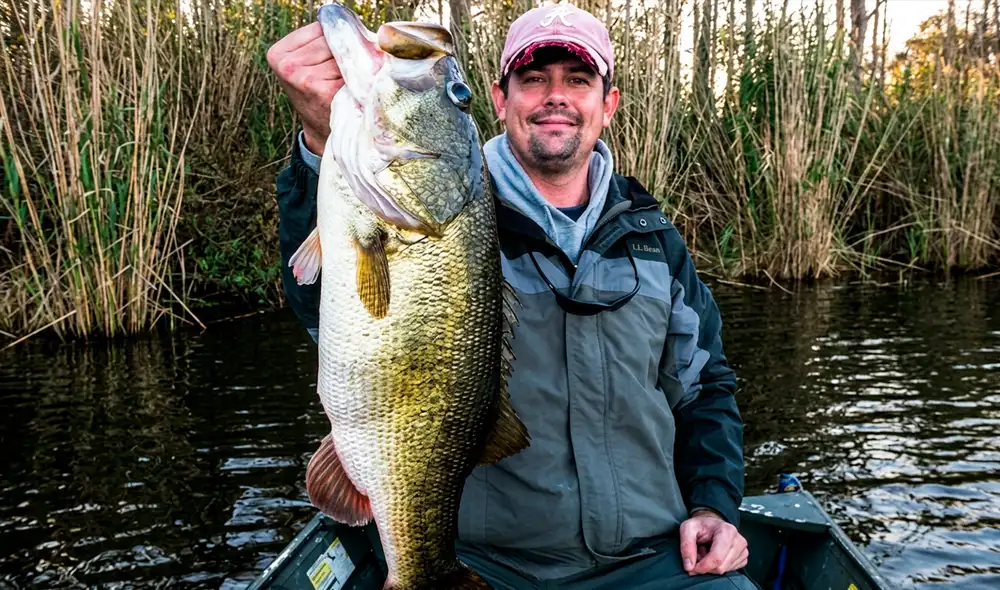
Russell, who produces outdoor media content under the moniker BamaBass, originally acquired the former peanut farm to construct a specialized water body for breeding tiger bass. Tiger bass are a hybrid fish species widely utilized in private fisheries and sport fishing management for their fast growth rate and aggressive feeding habits.
To establish a stable basin and prevent water loss through ground seepage, construction workers conditioned the base of the five-acre site with a dense layer of impermeable clay. Clay liners are standard in pond engineering to seal porous agricultural soils and maintain consistent water levels.
Construction of the sport fishing reservoir
The underwater design of the reservoir featured complex structural elements intended to mimic natural aquatic habitats. Russell placed submerged rock formations, built wooden piers, created a central island, and constructed strategic underwater shelters to foster feeding and reproduction across multiple species.
To preserve water quality and prevent oxygen depletion, the site was equipped with mechanical oxygen aerators. Modern aeration systems circulate water from the bottom to the surface, maintaining dissolved oxygen levels necessary for healthy fish populations. Russell also installed underwater lighting and video camera systems that broadcast aquatic animal behavior in real time.
Before introducing the main predatory fish, Russell stocked the reservoir with thousands of smaller forage fish to create a stable food web. The United States Natural Resources Conservation Service notes that artificial aeration improves overall water quality by circulating oxygen, while submerged structures significantly expand available living habitat for fish and small organisms.
Wildlife colonization over 1,000 days
As clean water and abundant prey established themselves, native wild species began inhabiting the reservoir. Waterfowl, including wild ducks, were among the first creatures to use the surface as a resting stop, while white-tailed deer began visiting the water edge to drink.
Over the course of 1,000 days, remote trail cameras equipped with motion sensors documented an increasing variety of land animals visiting the property. The monitoring devices recorded regular visits from owls, raccoons, squirrels, and several smaller mammal species inhabiting the surrounding area.
The local food chain expanded further when multiple apex predators arrived at the site. Several bald eagles began descending on the five-acre pond to capture fish. To support the raptors, Russell built an elevated tower featuring a dedicated nesting platform on the land.
Bald eagles, which serve as the national emblem of the United States, typically establish hunting territories near open bodies of water that offer clear visibility, abundant prey, and high perches for nesting.
Government guidance on agricultural pond ecosystems
The biological development of the former peanut field mirrors established environmental principles regarding artificial wetlands. A resource guide published by the United States Department of Agriculture highlights that farm ponds can provide valuable food, cover, and nesting areas for amphibians, reptiles, birds, and wild mammals.
Through deliberate physical modifications, the project expanded available food and shelter sites across the five-acre plot. Over three years, what began as a private fish-breeding venture transformed into a dynamic ecosystem where diverse wild species interact and compete for resources daily.