Spanish National Police officer Alejandro Jose Foncubierta Fernandez has been left without his full pension by the Ministry of the Interior after work stress in Ceuta forced his retirement. Foncubierta faces severe daily financial difficulties seventeen months after a regional high court recognized that his permanent disability was caused entirely by his police service.
Foncubierta led a high-risk police unit tackling violent crime and jihadist terrorism in the North African enclave for five years. Despite winning his legal battle in March 2025, government officials have not processed the full line of duty pension he is owed under the ruling.
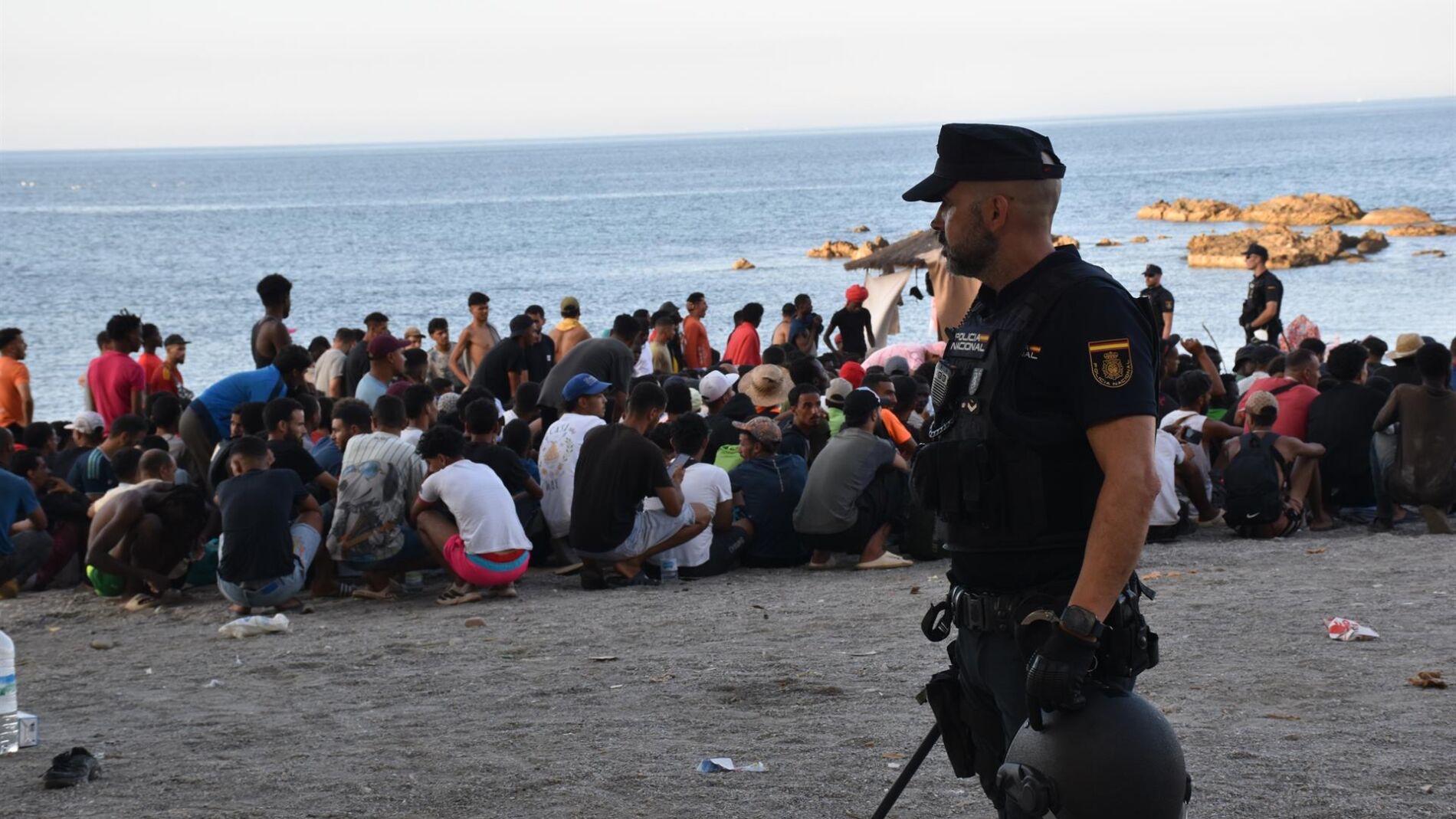
Ceuta is a Spanish autonomous city located on the North African coast, sharing a land border with Morocco. The National Police is Spain's civil law enforcement force responsible for urban security and criminal investigations across Spanish territory.
Years of violent threats in El Principe
From 2014 until 2020, Foncubierta served as commander of a newly formed night subgroup within the Ceuta National Police. The unit was created in 2014 to establish a proactive presence in El Principe, one of the most dangerous neighborhoods in the city. Officers aimed to stop serious violent crime in an area where nightly gunfire was common and young residents routinely carried firearms.
During his five years heading the unit, Foncubierta routinely confronted extremely violent criminals, most of whom had prior convictions for gun offenses or jihadist terrorism. The relentless nature of the work led to continuous death threats against the officer and his underage children.
Threats appeared across the neighborhood on 29 separate occasions in public wall graffiti. One piece of graffiti addressed him by name, stating that the author asked God for strength to kill Alejandro. Detainees also threatened him directly during arrests, telling him in person that many of them knew which high school his daughter attended. Fear of violence forced Foncubierta into social isolation to protect his family from retaliation.
Jihadist death threats and lack of police support
The dangerous conditions intensified after Foncubierta took part in the arrest of a convicted jihadist terrorist named Farid Mohamed Al Al, known as Kaker, in June 2017. Kaker had shot a neighbor for failing to attend mosque prayers and violating Islamic rules. Through associates, Kaker sent word from prison that his first priority upon release would be to kill Foncubierta for putting him behind bars.
When Kaker was released from prison, an inspector from the police Information Brigade called Foncubierta to warn him of two active, real threats against his life, including the plot by Kaker. Despite the severe danger, internal backing for the officer faded when his unit was transferred to the Judicial Police Brigade under new commanders.
One superior officer told Foncubierta that death threats were simply the price he had to pay for the prominence he had achieved. The commander refused to implement special police protection measures, stating that self-protection measures were designed for such situations.
Medical disability and administrative rejection
The cumulative toll of constant death threats and lack of departmental backing led Foncubierta to suffer severe work-related stress. In October 2020, he petitioned the General Directorate of the Police to open an official inquiry into the origins of his psychological condition.
A medical tribunal determined in July 2021 that Foncubierta was totally incapacitated from performing any duties as a National Police officer, though not completely disabled for all other occupations. The official disability ruling was issued in September 2021.
However, the General Directorate of the Police closed its internal investigation in March 2022. Administrative officials concluded that his health condition was a common, non-occupational process driven by multiple factors. Police authorities claimed there was no causal link between his illness and his police service, accusing Foncubierta of failing to prove the connection.
High court ruling and delayed pension payments
Foncubierta challenged the decision in court, seeking formal recognition that his condition occurred in the line of duty. A line of duty designation guarantees full pension benefits from the Spanish state. In his appeal, Foncubierta emphasized that police authorities had failed to identify any non-work factor capable of causing his disability.
The State Legal Service opposed the appeal, arguing that work stress had not been proven as the exclusive cause of his health issues. The case escalated to the Fourth Section of the Administrative Litigation Chamber of the High Court of Justice of Andalusia, Ceuta and Melilla.
In March 2025, the regional high court ruled in favor of the police officer. Judges reviewed extensive medical evidence and concluded that years of extreme, continuous work stress were the sole cause of his permanent disability. Despite the ruling being finalized seventeen months ago, the Ministry of the Interior has still not disbursed his full pension benefits.