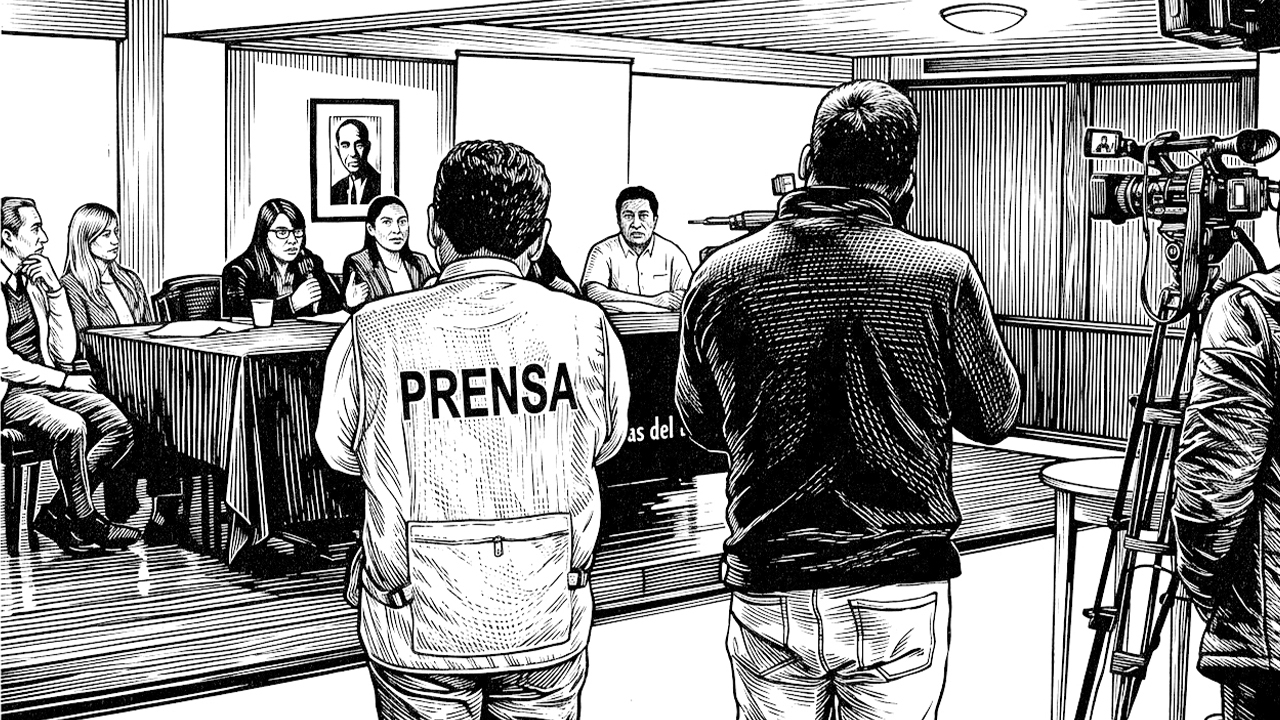
Spanish Justice Minister Félix Bolaños and Prime Minister Pedro Sánchez's government face mounting criticism for attacking the judiciary and undermining state witnesses in corruption cases.
The sharp shift in official rhetoric comes as Spain prepares for a new political term following the summer break, with court rulings and corruption inquiries set to dominate public debate.
In an analysis published on August 20, political commentator Julián Cabrera warned that government attacks on judges, court orders, and judicial decisions represent a shift unseen in decades of Spanish democracy.
Government rhetoric on judicial decisions
The executive strategy has evolved from initial denial of facts to a posture of respecting judicial work, before ultimately questioning court rulings directly. Cabrera reported that Spain's state sociological research agency, the CIS led by José Félix Tezanos, has been mobilized to back this questioning of the courts.
Ministers have also raised allegations of lawfare, putting specific judges under close scrutiny as judicial decisions approach on multiple corruption cases involving high-level political figures.
The controversy over state witnesses
The clash between the government and the justice system has centered on collaborating state witnesses following a court ruling in the mask procurement case, which benefited commission agent Víctor de Aldama.
Ministers and government spokespeople have introduced a new stance regarding state collaborators. Justice Minister Félix Bolaños previously declared that anyone who collaborates with justice has the support of the Spanish government, referring to former Popular Party councillor José Luis Peñas, who exposed the Gürtel corruption network.
More recently, however, Bolaños thanked Aldama and the main opposition Popular Party for their mutual collaboration. Cabrera noted that ministers Óscar Puente and Óscar López have acted as supporting figures during these ministerial statements.
Political pressure and historical precedent
Pressure on Aldama is expected to persist as the businessman threatens to disclose further information involving the political environment of Prime Minister Pedro Sánchez.
Cabrera observed that ministerial attempts to undermine state witnesses rest on weak foundations, as collaborating witnesses have historically been essential in dismantling organized crime, terrorism, and major political corruption networks across Spain.
Key historical proceedings relying on state collaborators include the Gürtel trial featuring Francisco Correa and José Luis Peñas, the Púnica case involving David Marjaliza, the Pretoria investigation involving Lluís Prenafeta and Macià Alavedra, and the 3 percent case involving Daniel Osácar.
Cabrera concluded that targeting or attempting to discredit repentant witnesses remains a deeply risky strategy for the government as the new political season opens.