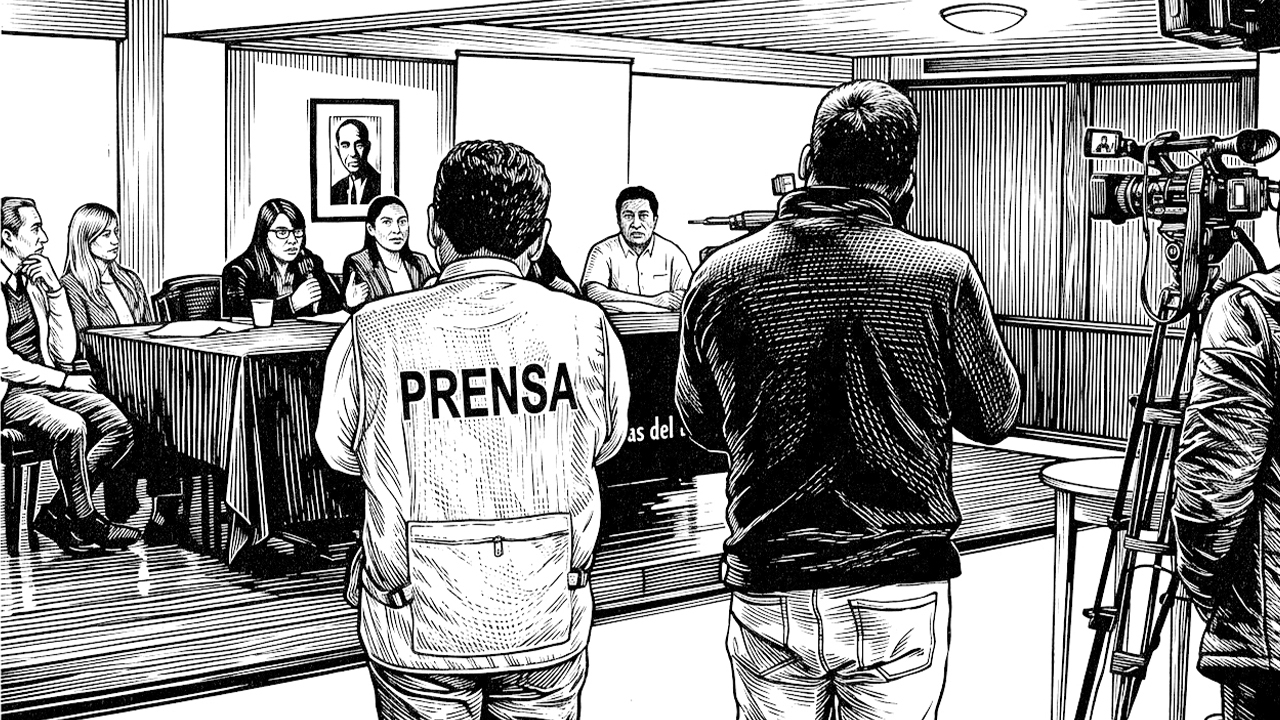
Spanish commentator Pedro Narváez has challenged the enduring cultural focus on Federico García Lorca, arguing that ninety years after his murder the poet is treated as the sole literary martyr of the Spanish Civil War.
Writing in Spanish daily newspaper La Razón on August 16, 2026, Narváez argued that while Lorca was murdered by undesirables, conservative playwright Pedro Muñoz Seca was executed by firing squad months later by other heartless attackers, alongside countless others who fell on both sides of the conflict.
Lorca, a Granadan poet born in 1898, remains widely regarded as one of Spain's most influential twentieth-century literary figures. His execution by Nationalist forces near Granada in August 1936 became one of the defining tragedies of the war. However, Narváez questioned whether a writer's life held greater value than that of a 1936 peasant, suggesting that focusing exclusively on prominent literary figures consigns most published authors to oblivion.
According to Narváez, Lorca's status as a pinnacle poet has been reinforced by his political persecution by fascists and his identity as a homosexual. Narváez disputed popular claims surrounding Lorca's death, describing accounts that his executioners declared the shooting was due to his sexuality as an invention. He argued that Lorca's unrecovered body has created a morbid legend that continues to overshadow other artists of the period.
Contrasting Civil War Figures
Narváez contrasted Lorca with Luis Cernuda, describing Cernuda as a giant poet and an extroverted gay man who was more explicit, uninhibited, handsome, and potentially braver. Cernuda, a member of Spain's celebrated Generation of '27 literary group, published openly homoerotic poetry in works such as La Realidad y el Deseo before spending decades in exile following the war.
Narváez also highlighted poet Vicente Aleixandre, who chose to remain in Spain rather than enter exile, maintaining a discreet presence under the Franco regime. In a 1948 letter to his lover, fellow poet Carlos Bousoño, Aleixandre described love as a true mysticism and asked if Bousoño recalled the hours they spent together in their room looking at each other, kissing, smiling, and merging together. Aleixandre later won the Nobel Prize in Literature in 1977. Narváez remarked that a romantic relationship between two poets writing to each other in such terms would make anyone reconsider exile.
Alternative Literary Voices
Turning to modern theatre listings, Narváez noted that contemporary playwrights, particularly gay writers, feel compelled to produce their own staging of Lorca classics such as La Casa de Bernarda Alba and El Público. He suggested that current theatre schedules give the impression that no other author exists to reclaim, describing Lorca as being depicted in a constant state of coming out of the closet.
Narváez likened this repetitive staging to a comedy by Enrique Jardiel Poncela, whom he referred to as Spain's equivalent of film director Ernst Lubitsch. Jardiel Poncela was a prominent Spanish humorist and playwright known for his fast-paced, absurd stage comedies in post-war Madrid, while Lubitsch gained international acclaim in Hollywood for his sophisticated cinematic satires.
Enduring Stage Adaptations
Narváez observed that ninety years after his death, Lorca continues to be carried in public procession both as a poet of the common people and gypsies and as an elitist figure. He cited Lorca's own poetry railing against city homosexuals, whom the poet described as possessing swollen flesh and filthy thoughts. Narváez addressed Lorca directly, stating that while those verses were monumental, their claims contradicted the poet's own body and life.
Looking ahead, Narváez concluded that ninety years from now, readers and institutions will still be devouring Lorca's work and legend, while the other fallen writers of the Spanish Civil War look on with corrupted envy.