

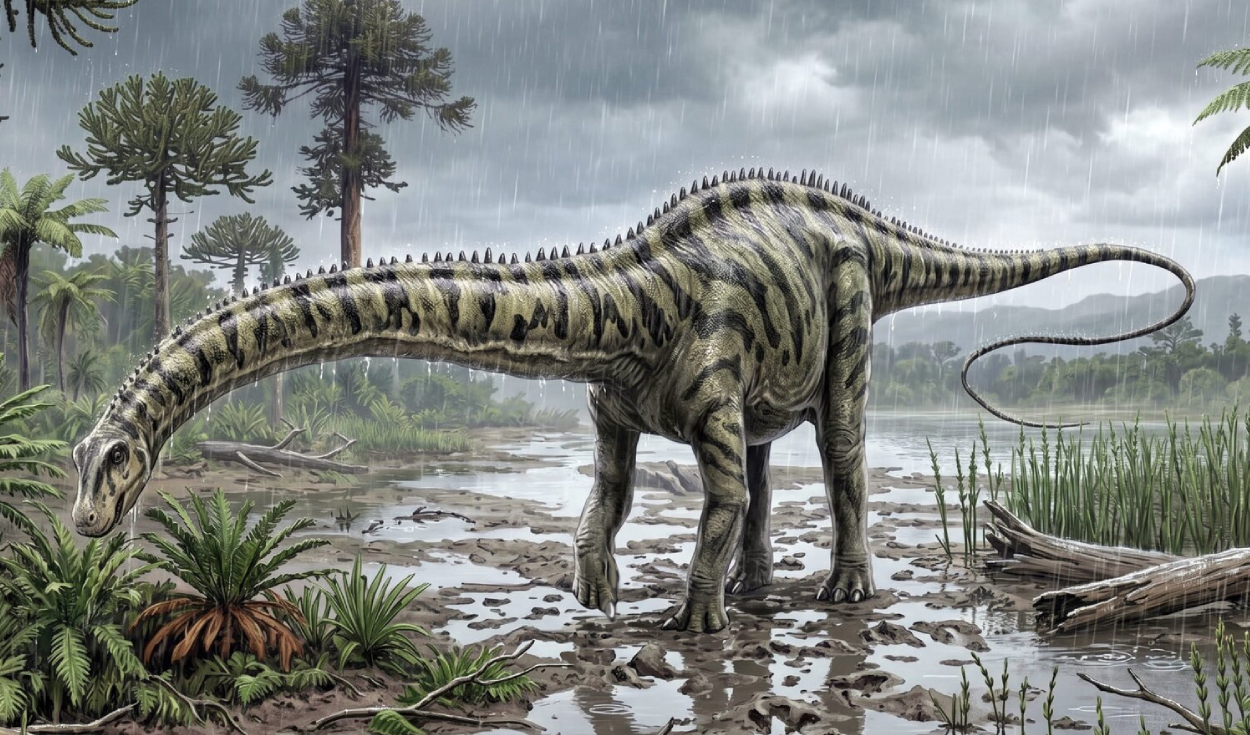
A team of Spanish paleontologists has identified the first confirmed remains of a Diplodocus ever found outside North America, unearthing fossils in Teruel, Spain, that date back approximately 150 million years to the end of the Jurassic period.
The fossils form one of the most complete sets of diplodocid remains discovered in Europe to date, according to the research team. Until now, every confirmed Diplodocus specimen had come from the Morrison Formation in the western United States.
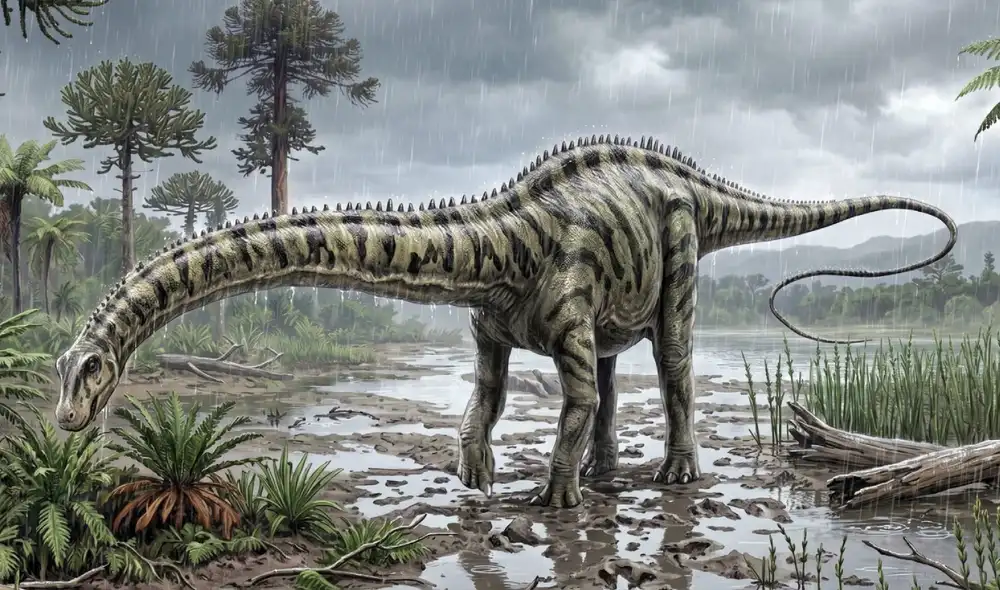
Diplodocus is one of the best known dinosaurs, instantly recognizable for its long neck, whip-like tail and immense size, and it remains among the longest land animals known to have lived. Teruel, in eastern Spain, is already home to Dinopolis, a paleontology park built around the region's rich record of dinosaur fossils.
The study was carried out by specialists at the Fundacion Conjunto Paleontologico de Teruel-Dinopolis and published in the Journal of Vertebrate Paleontology, a peer-reviewed scientific journal. The find expands the known geographic range of one of the world's most famous dinosaurs.
Where the fossils were found
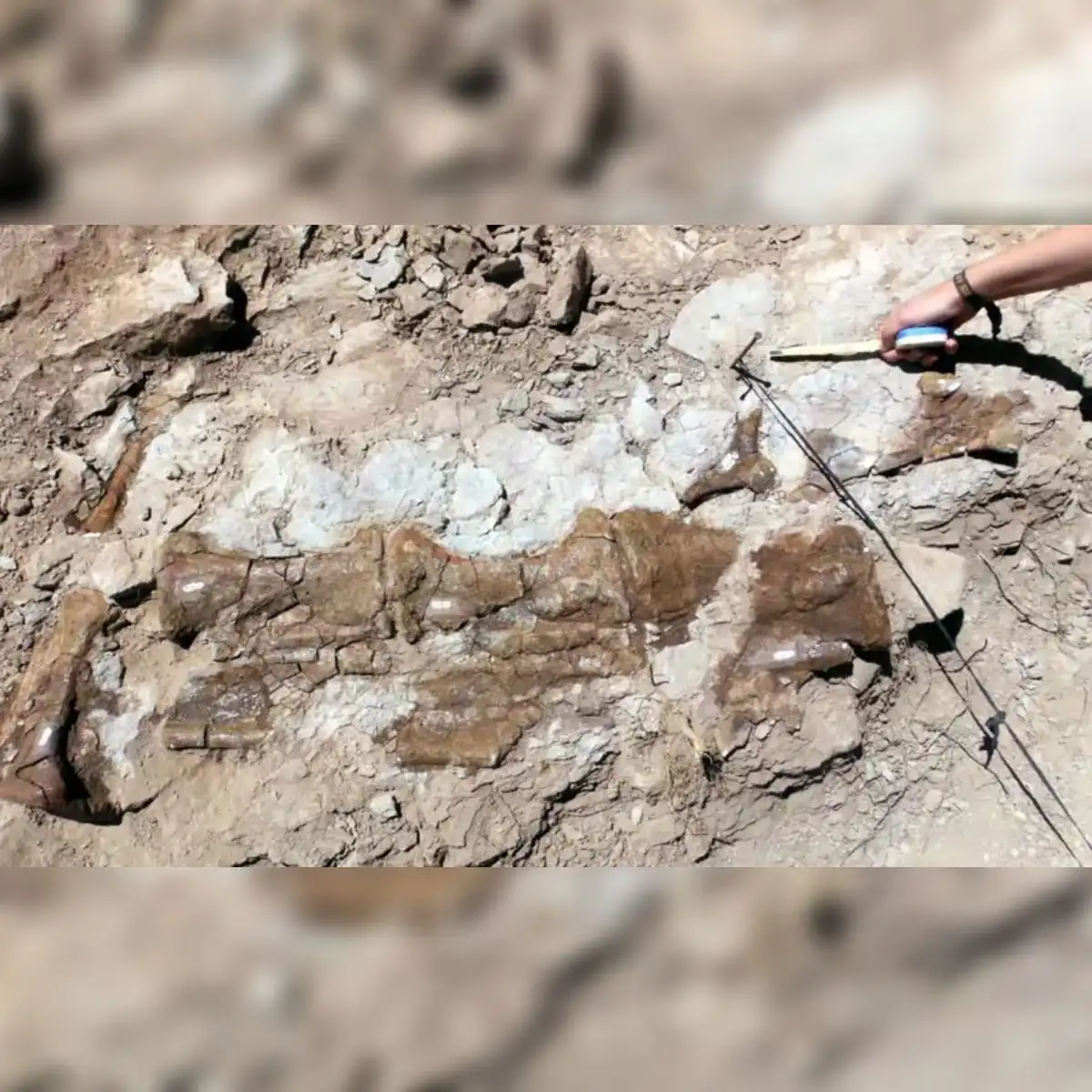
The specimen was recovered at the La Tejeria site in El Castellar, a municipality in Teruel province. During excavations, researchers from the Dinopolis Foundation recovered 14 caudal vertebrae, the bones that make up the tail, in an exceptional state of preservation. They also found several chevrons, bones located beneath the tail vertebrae.
How the species was identified
Sergio Sanchez Fenollosa, a PhD candidate in biodiversity and evolutionary biology at the Dinopolis Foundation and lead author of the study, said that from the earliest stages of the osteological analysis the team noticed a close relationship with several diplodocine sauropods. As the anatomical examination progressed, he said, a combination of features specific to Diplodocus species began to emerge. Subsequent evolutionary analyses reinforced that classification.
Distinctive anatomical clues
The remains preserve several distinctive anatomical markers, including large pneumatic cavities in the vertebrae, deep longitudinal grooves on the underside of the tail bones, and bifurcated chevrons with particular medial pits. The vertebral centra are also elongated and lack lateral ridges.
Confirming the genus
To test these findings, the scientists combined traditional anatomical comparisons with phylogenetic analyses using maximum parsimony and Bayesian inference. The results placed the specimen within the genus Diplodocus and linked it closely to Diplodocus hallorum.
According to the researchers, the sauropod from El Castellar would have measured around 25 meters in length, similar in size to its North American relatives. Alberto Cobos, managing director of the Dinopolis Foundation and co-author of the study, said the animal joins other large Jurassic sauropods found in Spain, such as Turiasaurus and Losillasaurus, though those species have very different characteristics from diplodocids.
Crossing from North America to Europe
The presence of this species in Spain is among the most significant paleontological evidence for possible dispersal and faunal contact between the two continents during the Late Jurassic, according to the researchers. About 150 million years ago, Europe and North America were separated by the proto-Atlantic Ocean, but the researchers said that division may not always have been an impassable barrier.
The study's authors propose that during periods when the North Proto-Atlantic retreated, falling sea levels could have exposed temporary land bridges. These connections, they said, would have allowed animals to move between the two continental landmasses, offering an explanation for how this giant sauropod reached Europe.
What the discovery means
Sanchez Fenollosa said the discovery helps researchers better understand the Mesozoic ecosystems of the Iberian Peninsula and the diversity of sauropods that lived in Jurassic Europe.
The fossils are held at the Museo Aragones de Paleontologia de Dinopolis in Teruel, where they will remain available for future research and for public display.



