

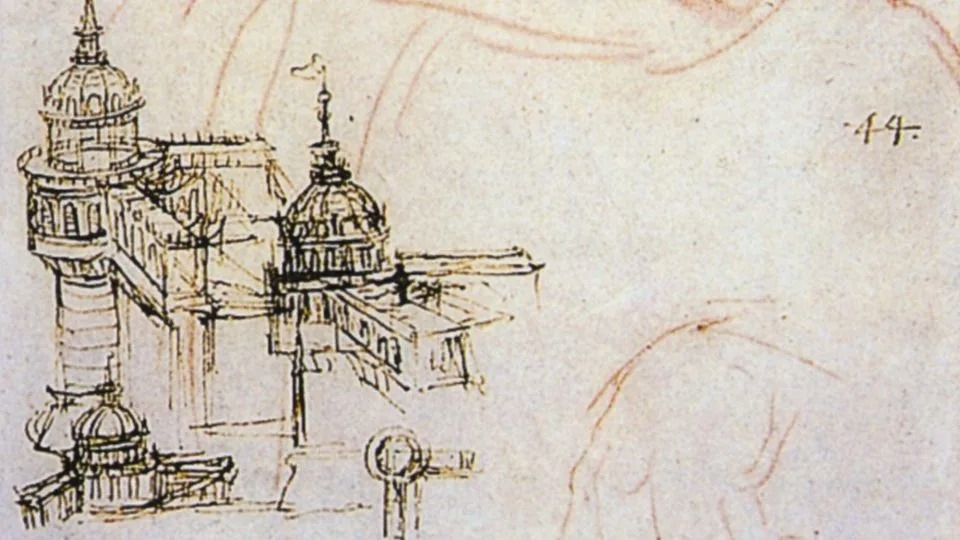
Archaeologists in Milan, Italy, have confirmed the existence of secret tunnels beneath the 15th-century Sforza Castle after a sketch by Leonardo da Vinci helped guide their search, according to an official statement from the researchers.
Experts from the Politecnico di Milano, one of Italy's leading technical universities, and Codevintec, an Italian company that supplies geophysical survey equipment, identified the passages after scanning the castle, the statement said. Using ground-penetrating radar and laser scanners, the researchers detected several cavities and artificial structures beneath the castle floor, just tens of centimetres below the surface.
The discovery marked the first confirmation that plans drawn centuries ago by the Tuscan painter and inventor were accurate. The team identified the tunnels and passages Leonardo referred to in his drawings, and concluded that these could represent only a small part of a much larger network extending across the entire site.
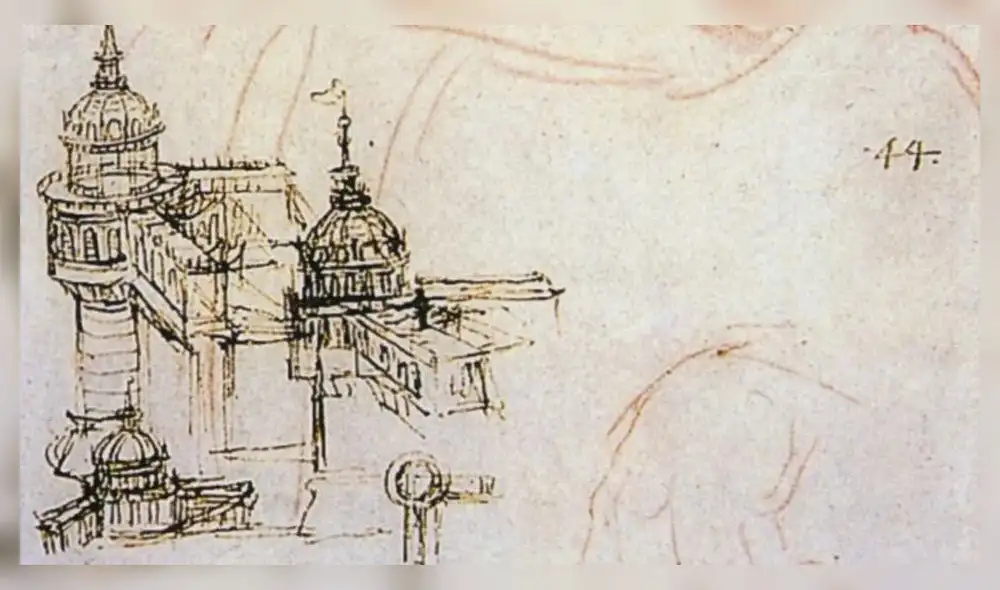
Leonardo's sketches of the castle's defences
Leonardo da Vinci is considered one of the greatest geniuses in history, leaving behind an artistic legacy that includes the 'Mona Lisa', 'The Last Supper' and 'Vitruvian Man'. Among his lesser-known works is a sketch of Sforza Castle, the seat of power in Milan during the Renaissance, created in the late 15th century.
Ludovico Sforza, the son of Duke Francesco Sforza and known as "the Moor", commissioned Leonardo in 1494 to decorate certain rooms of the castle. The Renaissance polymath also became interested in the building's architecture and its defensive systems.
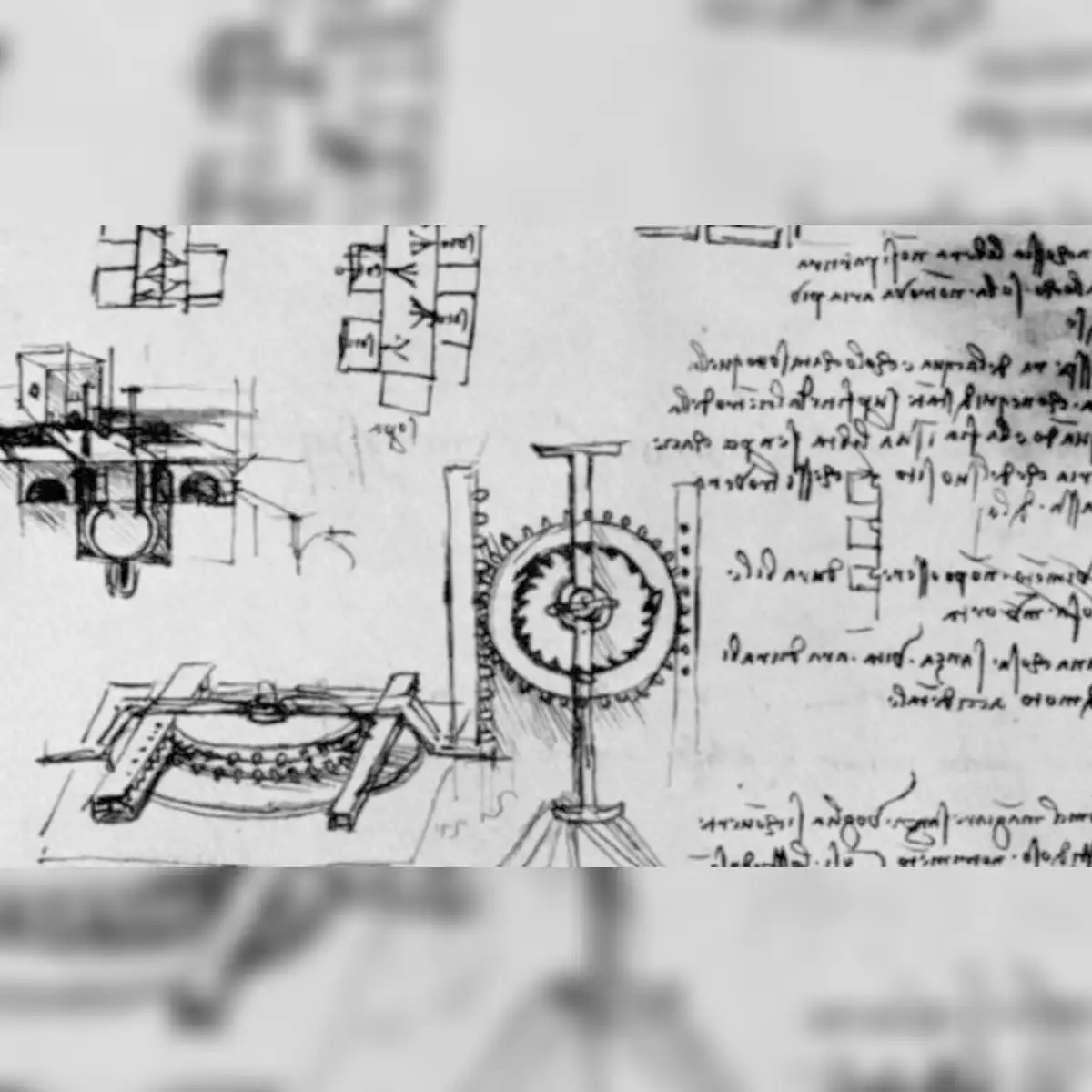
Leonardo went on to imagine innovative solutions to protect the castle, including escape routes and hidden supply galleries, which he sketched in the Codex Forster I, one of his notebooks now held at the Victoria and Albert Museum in London. The notebook is part of a set of three manuscripts that once belonged to the British antiquarian John Forster, who bequeathed his collection to the museum in the 19th century.
A passage to the tomb of Beatrice d'Este
According to the researchers, some of the hidden spaces would once have served military purposes, while others may have had a more private function.
One passage, for example, connects the castle to the church of Santa Maria delle Grazie, built by Francesco Sforza and home to Leonardo's celebrated fresco 'The Last Supper'. The church is also the burial site of the Sforza family, which would have allowed those living in the ducal palace to reach the tombs of relatives more quickly, including that of Beatrice d'Este, Ludovico Sforza's wife.
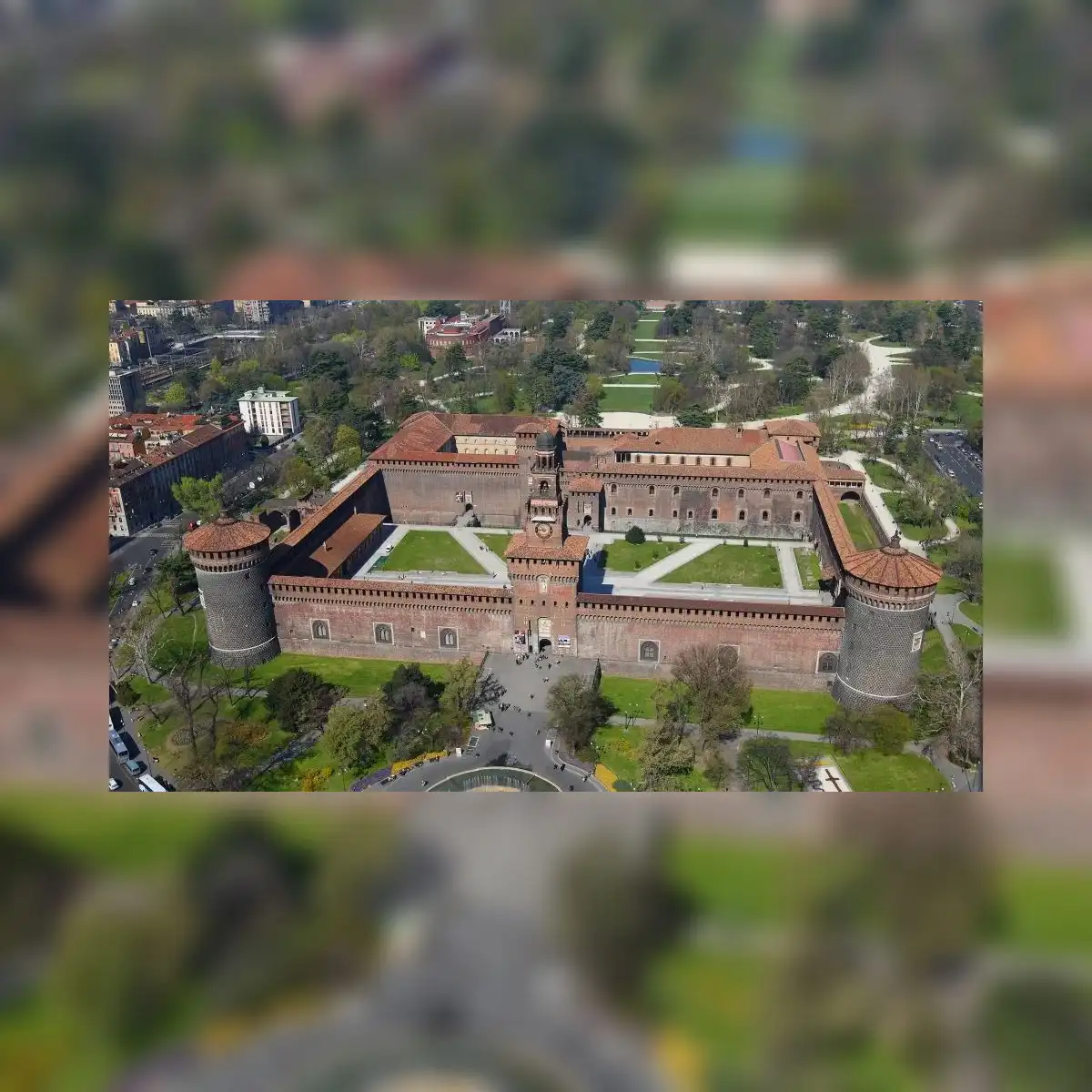
Sforza Castle, built on the site of an earlier medieval fortress, is today one of Milan's most visited landmarks and houses several of the city's civic museums.
Next: a 3D underground dive
For now, the entire underground network remains inaccessible. The experiment opens the way for further, in-depth investigation of the secret passages, said Francesca Biolo, a researcher at the Politecnico di Milano.
The goal now is to create a digital replica of Sforza Castle that represents not only its current appearance but also allows researchers to explore its past, revealing historical elements that are no longer visible to the naked eye, said Franco Guzzetti, a professor of geomatics who also worked on the project.
Biolo told the science news site Live Science that underground passages still exist at the castle, some of which are already open to the public, but that it had become clear there could be far more to these routes than is currently known or accessible.
Biolo and her team carried out an earlier study of the castle's underground spaces using laser scanning, GPS, 3D ground-penetrating radar and photogrammetry, a technique that uses large numbers of photographs to build a virtual 3D model. Their goal was to determine whether there were unknown, inaccessible spaces beneath the castle.



