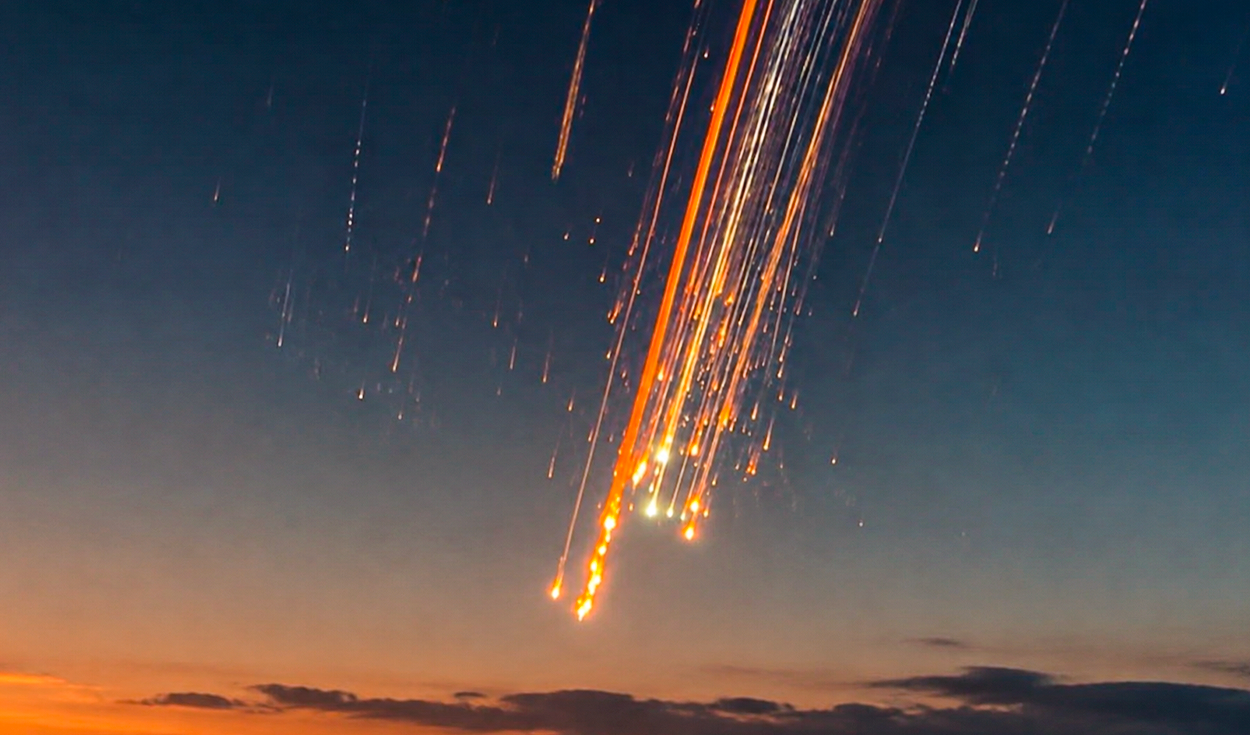
Space debris is falling to Earth at an accelerating rate, with objects weighing at least one metric ton returning through the atmosphere every week, raising urgent questions about who must pay for the damage.
The US Space Force recorded roughly 820 alerts for orbital components re-entering the atmosphere in 2025, compared with about 110 warnings ten years earlier, according to The New York Times. Officials attribute the surge to the rapid deployment of satellite mega-constellations by private companies and government institutions.
Mariusz Slonina, head of space situational awareness operations at the Polish Space Agency, told the newspaper that re-entries occur every single day and that objects of at least one metric ton fall weekly.
Most debris burns up in the atmosphere or lands in the Pacific Ocean, but intact pieces striking populated areas are becoming more frequent. Confirmed incidents include rocket parts hitting a residence in Florida, SpaceX thruster remains found in Poland, and a large metal structure landing in the rural community of Mukuku, Kenya. John Mukunuu, a resident of Mukuku, recalled that people believed it was the end of the world when the object came down from the sky.
Who pays when debris destroys your home?
Determining legal responsibility is complicated. When debris originates in the same country where it lands, national law typically governs the process. Cross-border cases fall under international treaties, including the UN Convention on International Liability for Damage Caused by Space Objects. Experts consulted by The New York Times warned, however, that those rules were drafted during the Cold War and do not address the current volume of commercial launches, making prompt or effective compensation difficult for victims to obtain.
China's launches deepen South China Sea tensions
China's launch operations from Hainan Island are adding a geopolitical dimension to the problem. The Philippines has found 13 space fragments bearing Chinese markings on its shores over the past four years. Gay Jane P. Perez, director general of the Philippine Space Agency, said the country once focused on sea-access threats but now also receives rocket debris, and that alerts tied to orbital missions disrupt the activity of local fishermen.
The UN Office for Outer Space Affairs promotes non-binding mitigation guidelines. Former NASA administrator Sean O'Keefe has called for materials that burn up completely on re-entry, warning that the only thing required for a catastrophe is for debris to appear over a major metropolitan area.