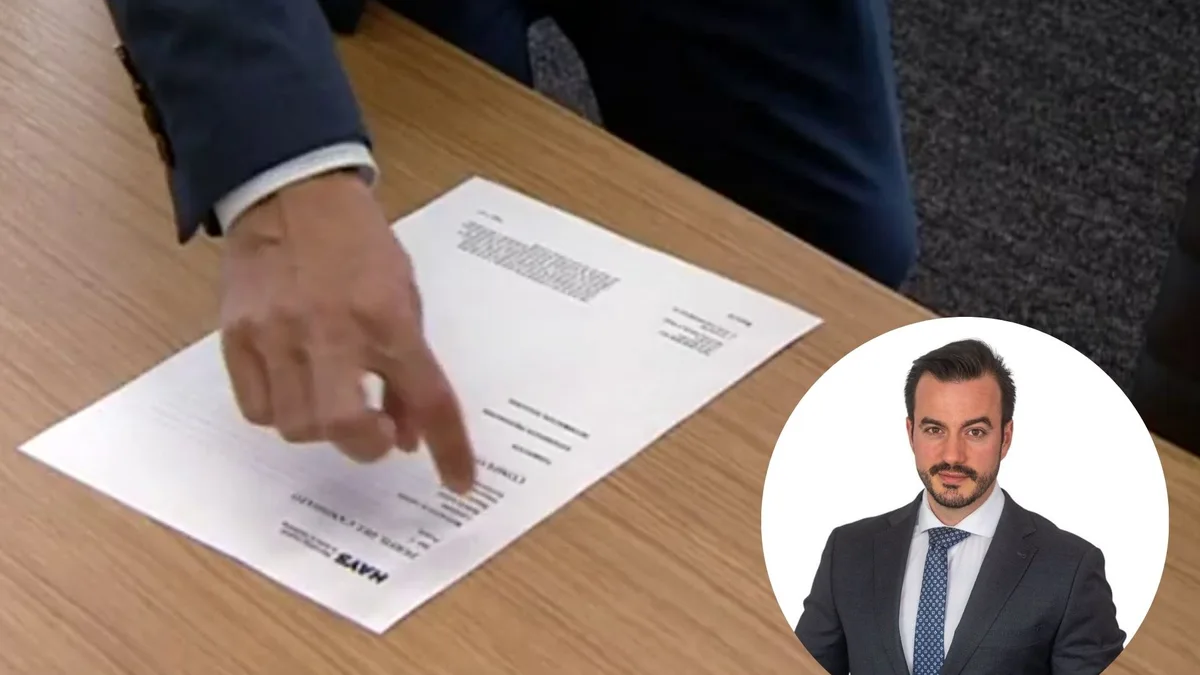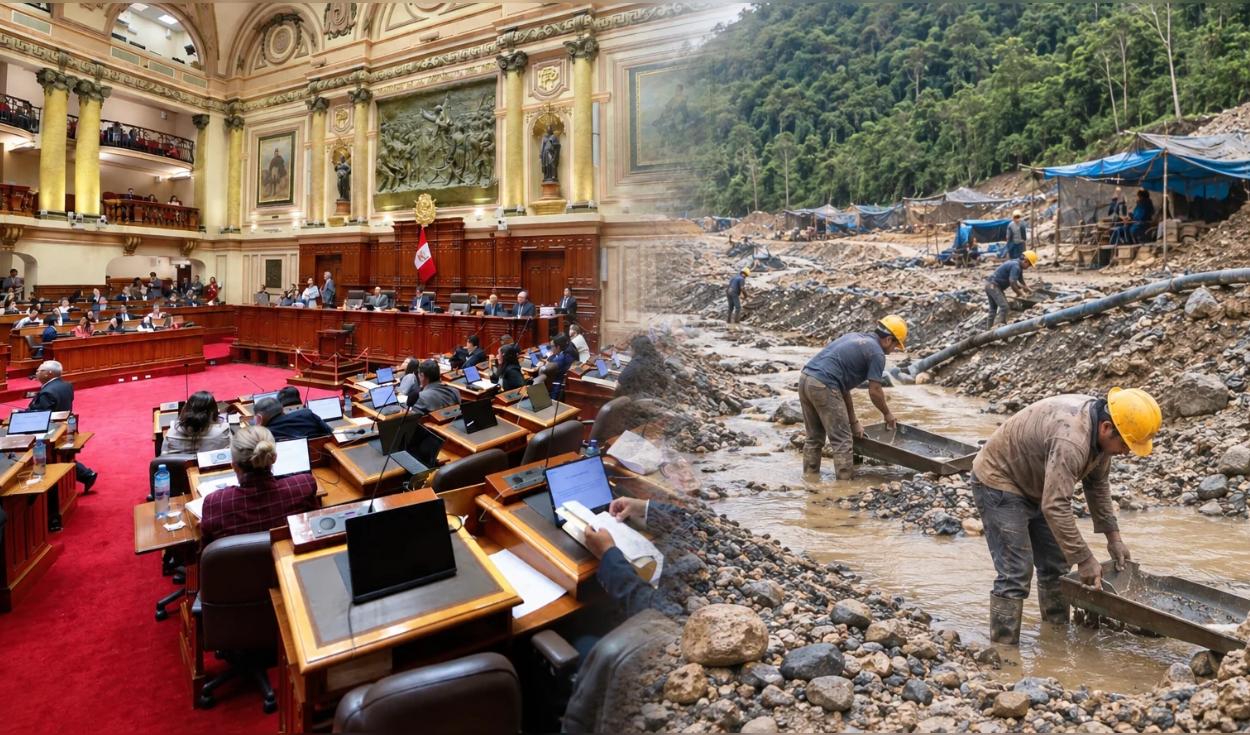
Felipe James, president of Peru's Sociedad Nacional de Industrias (SNI), called for an end to the Registro Integral de Formalización Minera (Reinfo) and criticized Congress for failing to debate the Ley MAPE, the mining formalization bill submitted by the Executive branch.
James made the comments in an interview with La República at CADE Ejecutivos 2026. He said the Reinfo had to end, arguing that everything the registry had produced was illegality at every level.
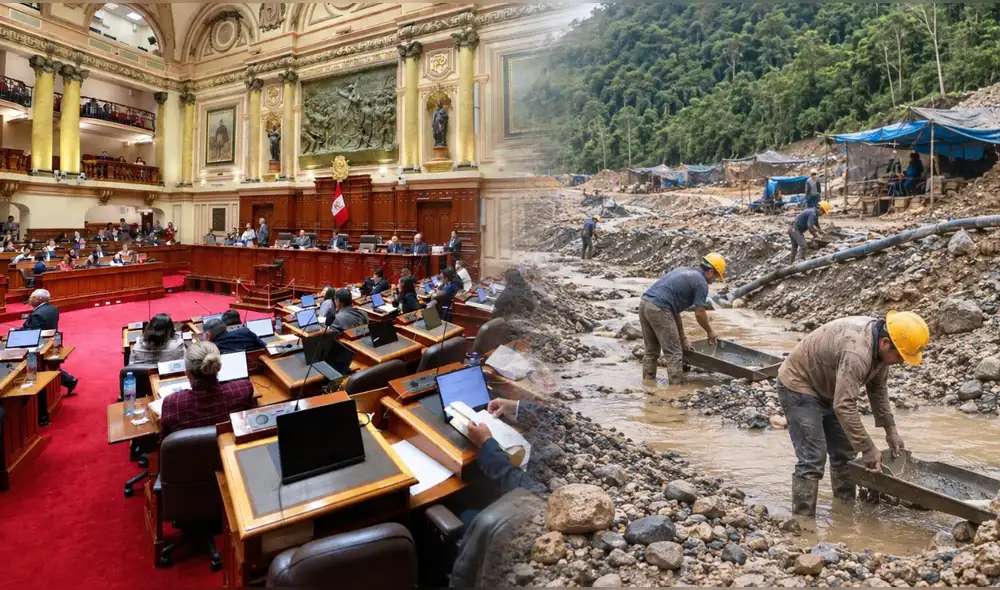
The Reinfo is Peru's registry for informal miners seeking to formalize their operations, allowing them to keep working while they complete legal, environmental and tax requirements. Critics, including James, argue the registry has instead become a shield for illegal mining rather than a path to formalization.
SNI calls for new regulation
James said the Minister of Energy and Mines had presented a Ley MAPE bill that Congress had still not taken up, because the committee responsible for it had not moved the proposal forward. He said it was time to finally end a system he described as disastrous for the country.
He argued Peru needed to leave the current registry behind and adopt rules capable of confronting illegal activity tied to the mining sector. The question of whether to extend the Reinfo or advance the Ley MAPE remains among the pending items on Congress's legislative agenda.
Congress proposals to extend Reinfo
James's remarks come as the current Reinfo formalization period is set to run until December 31, 2026, unless the Ley MAPE and its regulations take effect before that date. At the same time, Congress has received several new bills seeking to prolong the registry further, reopening debate over the fate of miners who have not yet met the requirements to formalize.
Among the proposals filed in recent weeks are bills to extend the formalization process to 2028, 2029 and 2030, each setting different terms and conditions for keeping operators enrolled in the registry while a new regulatory framework for small-scale and artisanal mining is developed.
One proposal would extend the process until December 31, 2028, or until the Ley MAPE and its regulations take effect, whichever comes first. A separate bill from members of the Juntos por el Perú bloc proposes extending the registry to 2029, while another bill from the same bloc seeks to extend it to 2030.
These bills still have to go through the full legislative process and do not, on their own, change the deadline currently in force. Their filing comes amid pressure from groups of miners seeking to keep the formalization process running, alongside positions opposing any further extension of the registry.
What the Executive's Ley MAPE proposes
The Ley MAPE put forward by the Executive branch seeks to establish a new regulatory framework for small-scale and artisanal mining, combining a permanent ordinary regime with a consolidation mechanism for operators currently going through the formalization process.
The bill includes an 18-month consolidation stage, running until June 30, 2028, during which operators who meet the required conditions could complete outstanding requirements and move into the ordinary regime. The proposal also sets out new rules for the activity and would change the scheme under which the formalization process currently operates.
Debate on the Ley MAPE remains pending in Congress, where lawmakers must weigh the competing bills to extend the Reinfo against the new regulatory framework for small-scale mining, and decide what happens to operators who do not complete their paperwork before the registry's deadline expires.
What happens next
Congress still has to decide whether to debate the Executive's Ley MAPE proposal or advance the competing bills to extend the Reinfo registry beyond its December 31, 2026 deadline.
Test yourself
Who called for ending Peru's Reinfo mining registry?
When is the current Reinfo deadline set to expire, barring the Ley MAPE taking effect first?
What consolidation period does the Executive's Ley MAPE propose for miners?
Have your say
Should Peru end the Reinfo mining registry or extend it further?
Where it happened
Lima, Peru