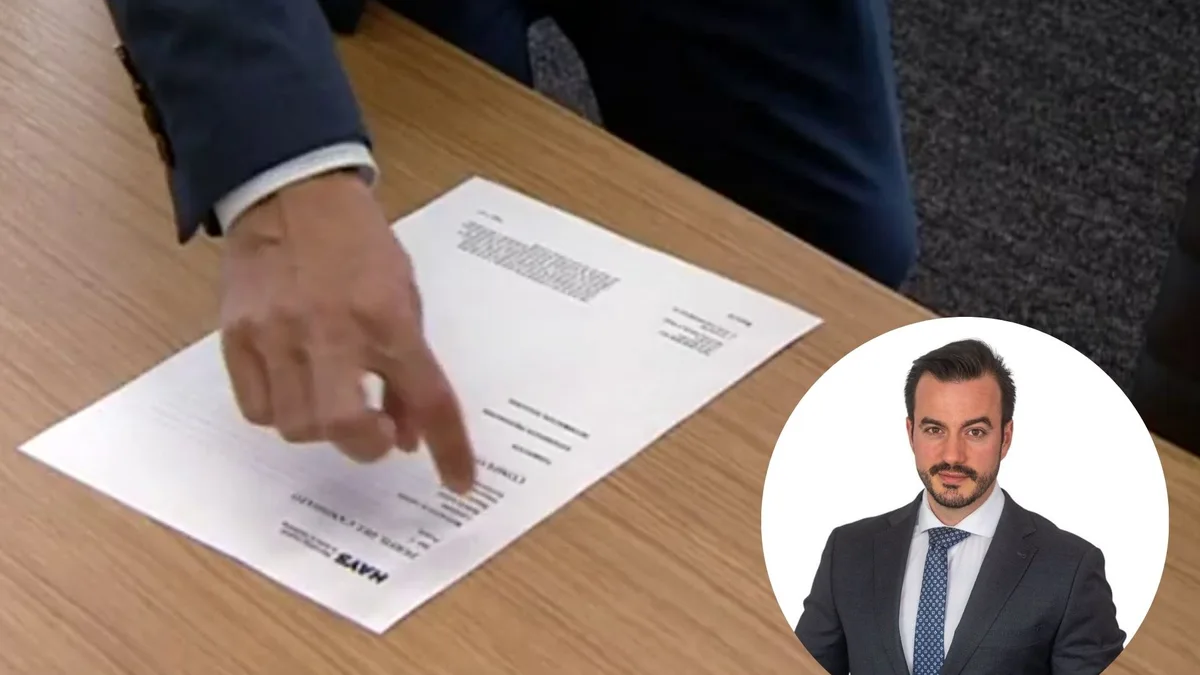
Workers in Spain can now demand in writing to know how much their colleagues earn for doing the same job, under a new decree that took effect on November 19, 2026, according to employment lawyer Ignacio de la Calzada.
De la Calzada, who publishes under the handle laboral_tips, said the change is not a rumour but comes from Royal Decree-Law 39/2026, which is already in force. As a decree-law, it must still be ratified by the Spanish Congress within a month. He said the decree writes two European Union directives into the Workers' Statute, Spain's main labour law: one on clear and predictable working conditions, and another aimed at closing the gender pay gap.

Written contracts and job security
Under the new rules, employers must always hand over the essential terms of a job in writing. Failing to do so is upgraded from a minor to a serious offence, carrying fines of up to 7,500 euros. For contracts shorter than four weeks, companies have 10 working days to provide those terms.
For temporary contracts, the trial period cannot exceed one month, and must be shorter still if the contract itself runs for less than six months. Companies can only restrict staff from holding a second job for objective reasons such as health, safety, confidentiality or conflicts of interest, though full-dedication agreements that come with extra pay remain valid.
De la Calzada said punishing a worker for making a claim is automatically void in law. His advice to employees is to raise concerns calmly, but always in writing.
Workers with at least six months of service can also ask for a more stable position. Employers must reply in writing within a month, or within three months if the company has 10 employees or fewer. Additional hours can be turned down if the required notice period is not given, and if they are cancelled at the last minute, they must still be paid.
Salary no longer a secret
Job adverts will now have to state the starting salary and the collective bargaining agreement that applies to the role. De la Calzada said this puts an end to pay being set according to how much a candidate seems worth. He added that asking a candidate how much they earn, or used to earn, during a job interview is now an infraction.
Beyond that, employees can formally request details of their own pay and the average pay of colleagues doing work of equal value, broken down by gender. Companies have two months to respond, and any clause barring staff from discussing their salary is null and void.
Reporting the gender pay gap
Companies with 50 or more employees will have to report their gender pay gap, and those with 150 or more must do so before June 2027. Where the gap between men's and women's pay reaches at least 5%, the company must justify it. Workers who believe they have suffered pay discrimination have three years to file a claim.
De la Calzada offered employees three practical steps: check your contract, request your salary information in writing, and ask in writing for a more stable contract. He said that from now on, it really is possible to find out what everyone is paid.
What happens next
Congress must ratify the decree-law within a month of its entry into force, and companies with 150 or more employees must report their gender pay gap before June 2027.
Test yourself
When did the new Spanish pay transparency decree take effect?
What must companies with 50 or more workers do under the new rules?
How long do workers have to claim salary discrimination?
Have your say
Do you support rules requiring companies to disclose pay information to employees?
Where it happened
Madrid, Spain