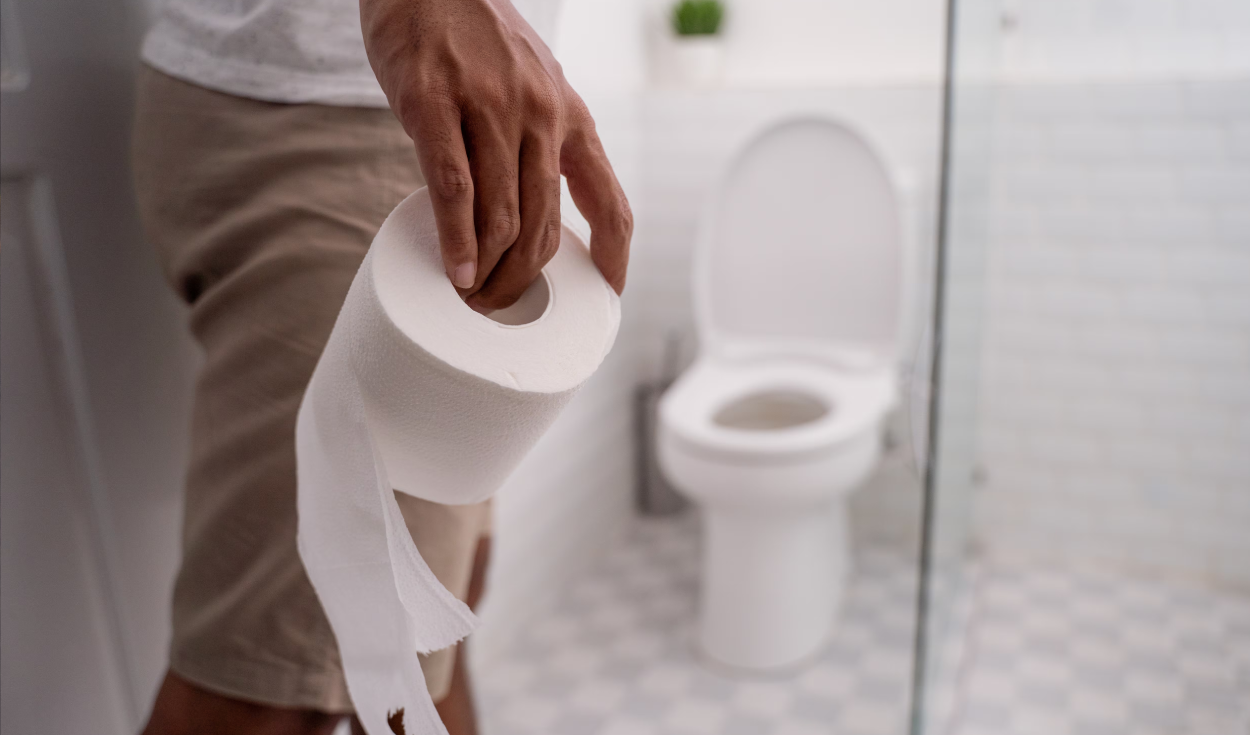
Smart toilets and washlet devices in Japan are increasingly replacing traditional toilet paper as consumers adopt more hygienic and eco-friendly personal care alternatives.
The technological innovation integrates toilet and bidet functions into a single automated fixture. Demand for the devices is growing rapidly due to an emphasis on personal comfort, improved sanitation and environmental sustainability.
In Japan, electronic sanitaryware has transformed daily bathroom routines. Automated bidets utilize water streams for cleansing, offering a modern replacement for standard paper rolls. The adoption of these fixtures has expanded across residential, commercial and public spaces throughout the country.
Historically, bidets originated in 17th-century France as separate porcelain basins designed for washing after toilet use. Modern Japanese innovations merged these two fixtures into a single unit, incorporating electronic plumbing components directly into the toilet seat or bowl structure.
The environmental impact of conventional tissue paper production has raised growing concern among conservationists. Millions of trees are felled every year to satisfy global toilet paper demand, contributing directly to deforestation and the destruction of vital forest ecosystems.
Manufacturing a single roll of toilet paper requires an industrial process involving several distinct stages. Production demands large quantities of water and energy, while chemical agents used to bleach paper fibers can contaminate rivers and degrade local natural resources.
Targeted water jet cleaning systems
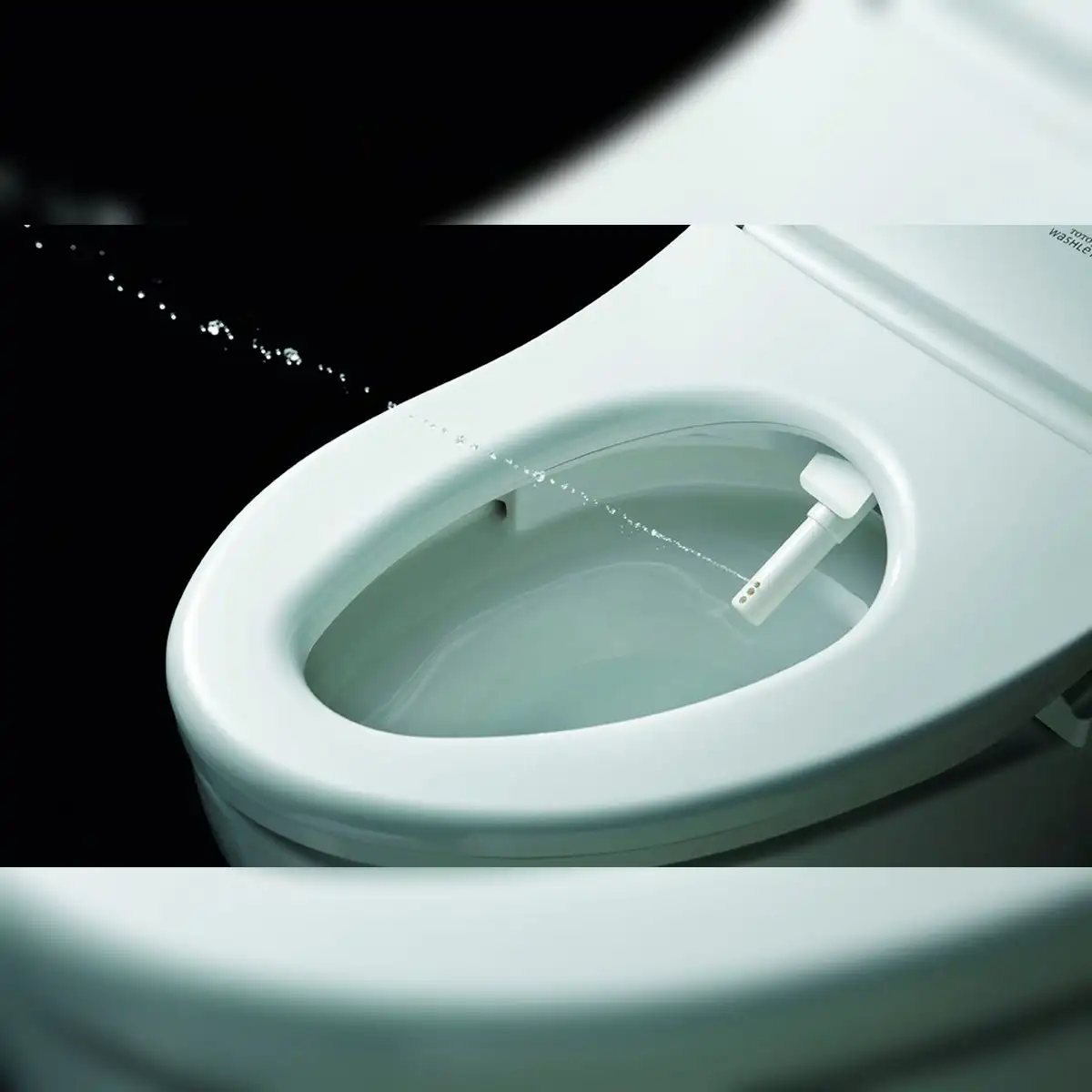
Smart toilets operate using an automated water cleaning system that eliminates the need for paper. The primary feature of the device is a network of targeted spray nozzles that deliver controlled water streams directly to the user.
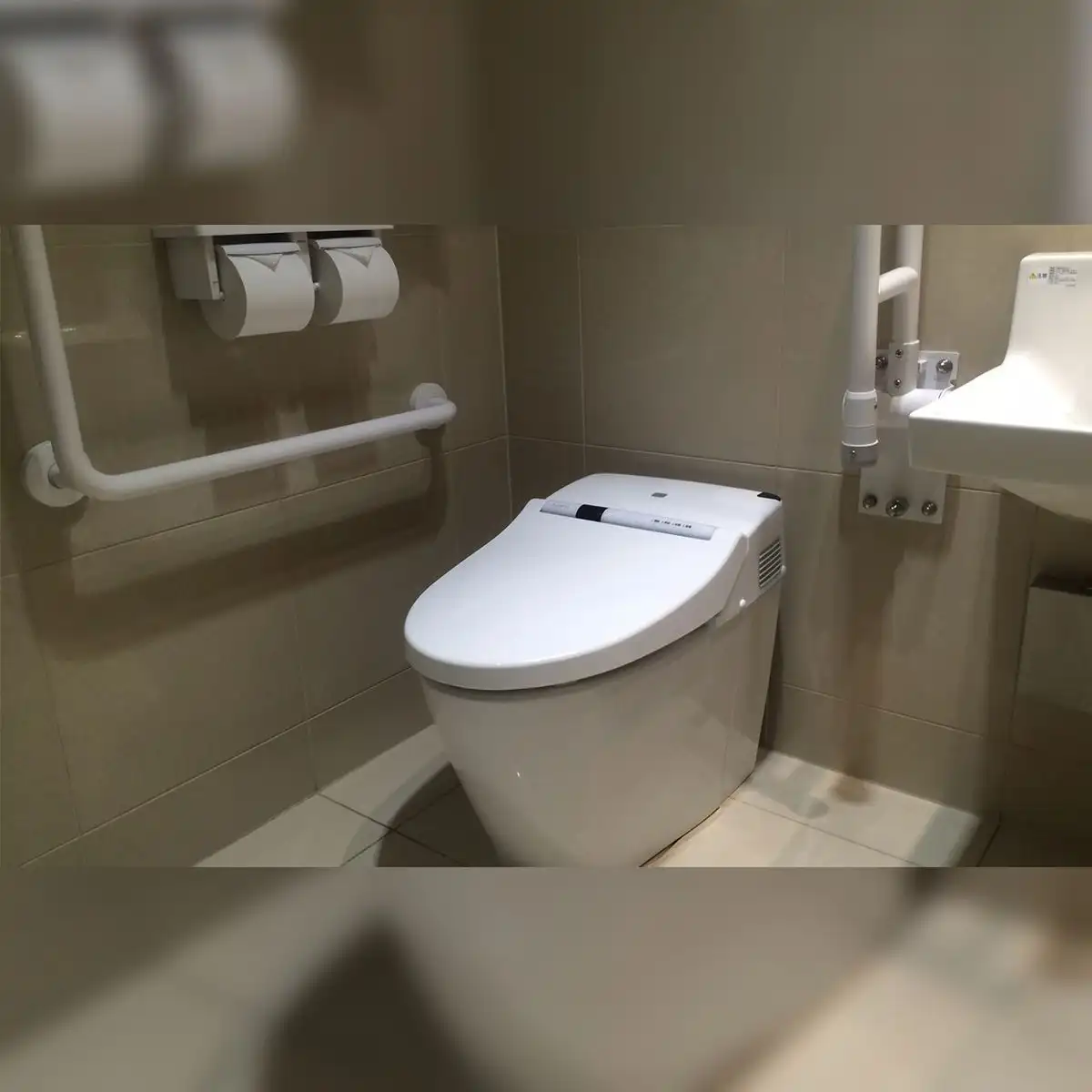
Users can adjust both the pressure and temperature of the water jet to match their personal preferences. The warm water stream effectively cleans without the friction associated with dry paper products.
Advanced models incorporate additional convenience features, including warm air drying, heated seats and wireless remote controls. These integrated elements provide an automated bathroom experience tailored to individual comfort needs.
Manufacturers also produce simpler versions that attach to standard toilets using basic adapters. This ease of installation allows home owners to upgrade existing bathrooms without requiring major plumbing alterations or expensive renovations.
The availability of adaptable seat attachments has facilitated the global expansion of washlets outside Japan. International adoption is increasing as consumers in North America and Europe seek accessible home upgrades.
Hygiene and public health advantages
Water-based cleansing offers significant benefits for personal hygiene and skin care. The gentle action of warm water reduces friction against the skin, lowering the risk of irritation and redness for individuals with sensitive skin conditions.
Rinsing with water ensures a more thorough clean, minimizing the accumulation of bacteria on the skin. Medical evidence indicates that proper sanitation helps prevent common health issues, including urinary tract infections and hemorrhoids.
Using automated water jets also reduces direct physical contact with paper and waste. Minimizing hand touch points lowers the risk of contaminating hands and bathroom surfaces, providing a vital benefit for clinical environments.
In healthcare settings such as hospitals and long-term care facilities, infection prevention remains a primary priority. Pathogens such as bacteria and viruses can persist on surfaces, making touchless sanitation technology an effective tool for public health protection.
Environmental comparison and resource efficiency
The ecological footprint of toilet paper extends beyond tree harvesting to encompass manufacturing, packaging and logistics. Producing a single paper roll consumes hundreds of liters of water, alongside bleaching chemicals, energy grid power and transportation emissions.
In contrast, smart toilets consume a smaller volume of water per individual use than the embedded water required to manufacture equivalent amounts of paper. By eliminating disposable paper products, washlets remove the need for plastic packaging and freight transport.
Paper manufacturing ranks among the world's most resource-intensive industrial sectors. Traditional tissue processing relies on virgin wood pulp or recycled fibers treated through chemical pulping to break down plant materials into usable cellulose.
Although electronic washlets require electricity to power water heaters, seat warmers and air dryers, their total long-term environmental impact is lower than that of paper production. This resource efficiency has attracted interest from government agencies and corporate organizations seeking sustainable infrastructure practices.