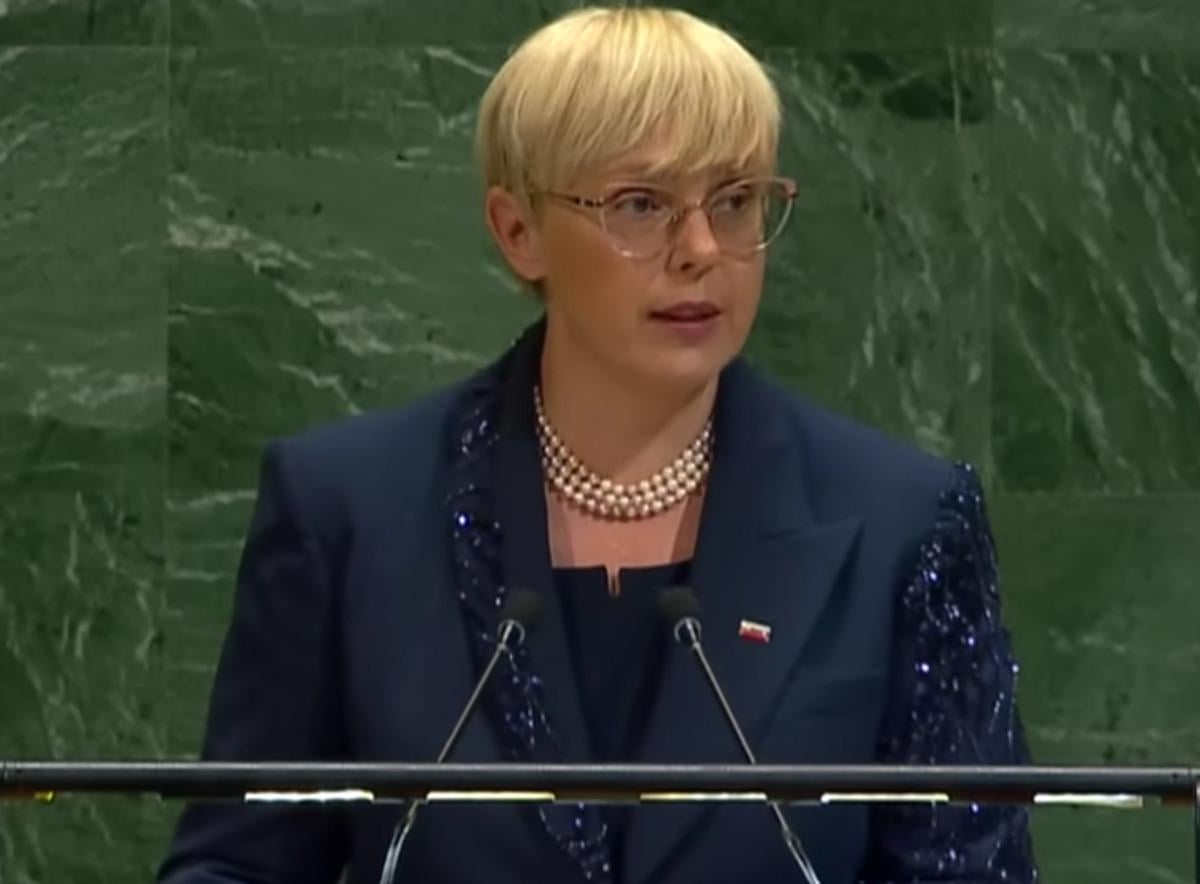
Slovenian President Nataša Pirc Musar has denied any links to Russian intelligence following calls from a parliamentary security committee for an urgent investigation. The request for a security report centers on the president's relationship with a long-time friend of Russian origin, broadcaster TVP World reported.
Local news outlet Svet24 reported that the parliamentary security committee requested a meeting next week with representatives of SOVA, the Slovene Intelligence and Security Agency. Lawmakers requested the session on Wednesday to obtain an official briefing on possible connections between Pirc Musar and Russian intelligence services. Slovenia, a European Union and NATO member state, relies on SOVA to monitor national security threats and foreign counter-espionage.
Žan Mahnič, a lawmaker from the ruling center-right Slovenian Democratic Party (SDS), urged the government to halt all security and intelligence briefings to the president. Mahnič cited suspicions that Pirc Musar, who won the presidency as an independent candidate, could be connected to a Russian espionage network. Although the presidency in Slovenia is a largely ceremonial role, the head of state serves as commander-in-chief of the armed forces and receives regular classified updates. In response, the president's office categorically denied that she collaborates with Russian intelligence networks.
Car accident and intelligence ties
Scrutiny over the president escalated following reports involving her long-time friend Viktorija Krivolutska, a Slovenian citizen of Russian origin. At the end of July, Pirc Musar was hospitalized with a fractured collarbone following a road traffic accident. Krivolutska was traveling in the president's official vehicle at the time of the crash.
Local media reported earlier this week that Krivolutska had close ties to Roman Jeglič, a former Slovenian intelligence officer who fell out of favor and fled to Russia in the mid-1990s. Krivolutska subsequently confirmed that she had been in a romantic relationship with Jeglič and lived with him in Russia for several years. However, she stated that she has not maintained any contact with him for more than 15 years.
Broader Russian intelligence operations in Europe
The allegations in Slovenia come amid growing concerns over Russian intelligence activities across Europe, as reported by Ukrainian news agency UNIAN. German law enforcement discovered handguns hidden in a forest near Berlin last year. According to Reuters, investigators believe the weapons were intended for sabotage operations ordered by Russian intelligence. German intelligence officials warned that potential targets included defense executives, exiled opposition figures, and supporters of Ukraine. A suspect was also recently arrested in Romania in connection with setting up a weapons cache.
In a separate case, Australian police charged a man with dual Russian and Australian citizenship for attempting to supply military information about Ukraine to Russian secret services. Investigators said the man traveled to Russia in 2024 for military training before returning to Australia in December 2024. He subsequently joined the Armed Forces of Ukraine, where police allege he began passing sensitive information to Russian intelligence. The offense carries a maximum penalty of 20 years imprisonment in Australia.