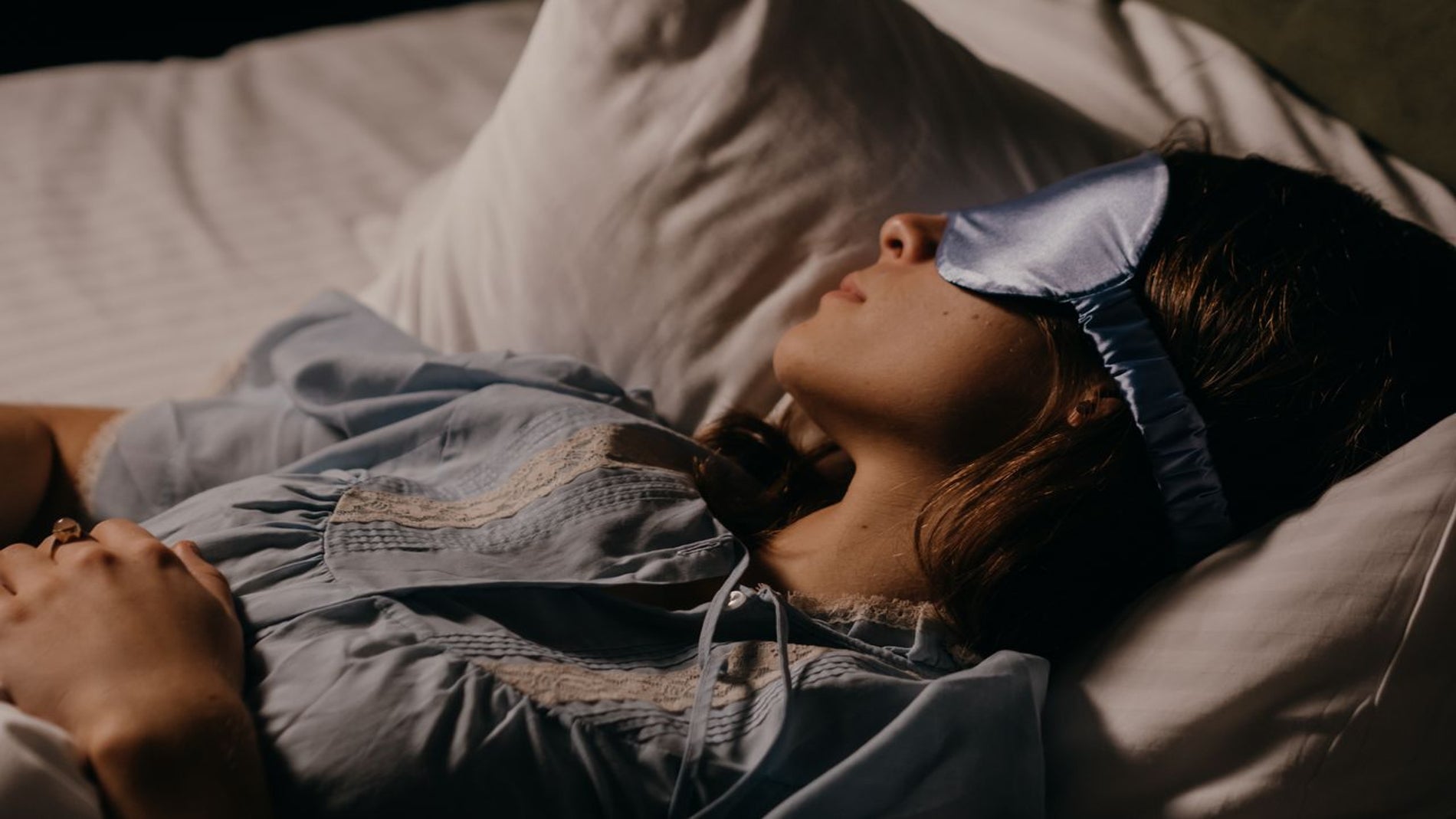
Wearing an ordinary sleep mask overnight has been linked to a small cognitive edge the next morning, according to a study published in the journal SLEEP. The mask's job is simple, to keep ambient light from reaching the eyes during sleep, but researchers found that barrier alone was tied to modestly better memory and quicker reaction times.
The researchers described the effect as measurable but discreet, far from a dramatic improvement that users would notice on waking. The study involved healthy adults aged 18 to 35 who slept at home, comparing a mask that blocked light against a control mask that let it through. Participants tried both conditions, allowing researchers to compare each person's performance after several days with each type.
The findings do not turn the mask into a treatment for insomnia, the study said, and they do not show it extends sleep duration or improves every mental ability. The conclusions are limited to specific tasks in young and relatively small samples, a detail worth noting before buying a mask expecting an obvious change in daily life.
What the two experiments measured
The first experiment included 94 volunteers, with 89 analyzed after several dropouts. Participants slept with the opaque mask for one week and with the control mask for another week, in alternating order. The main task asked them to learn pairs of words and then measured how much new material they had encoded.
The average score was slightly higher after blocking light, 65.06 versus 63.87, with a small effect size. That result concerned initial learning rather than overnight consolidation, and the researchers cautioned that the figure should be interpreted carefully.
Participants also responded somewhat faster on a vigilance test, about 310 milliseconds with the mask versus 316 with the control. There was no effect on learning a motor skill, and no significant difference in participants' self-reported alertness.
Modest results, reasonable use
In the second experiment, researchers recruited 37 people, with 33 remaining in the final data set. A device recorded participants' sleep stages overnight. The advantage in word-pair learning appeared again, though other measures showed no significant changes. Time spent in slow-wave sleep was linked to later performance only in the mask condition.
That link does not prove the mask increased that sleep phase. In fact, the study found no changes in overall sleep structure or in the number of hours slept. Blocking light was the only intervention studied.
The mask could be a cheap option for people bothered by light from a streetlamp or a bright bedroom in the morning, as long as it is comfortable and does not interfere with breathing, the study noted. It does not fix short sleep schedules or clinical problems, whose effects are far larger than those found in this research.
If a bedroom is already completely dark, the mask may offer no gain. If it is uncomfortable, too tight, or slips during the night, there is no reason to persist with it. The sensible approach is to judge comfort and keep expectations modest, in line with the size of the effects this study was able to measure.