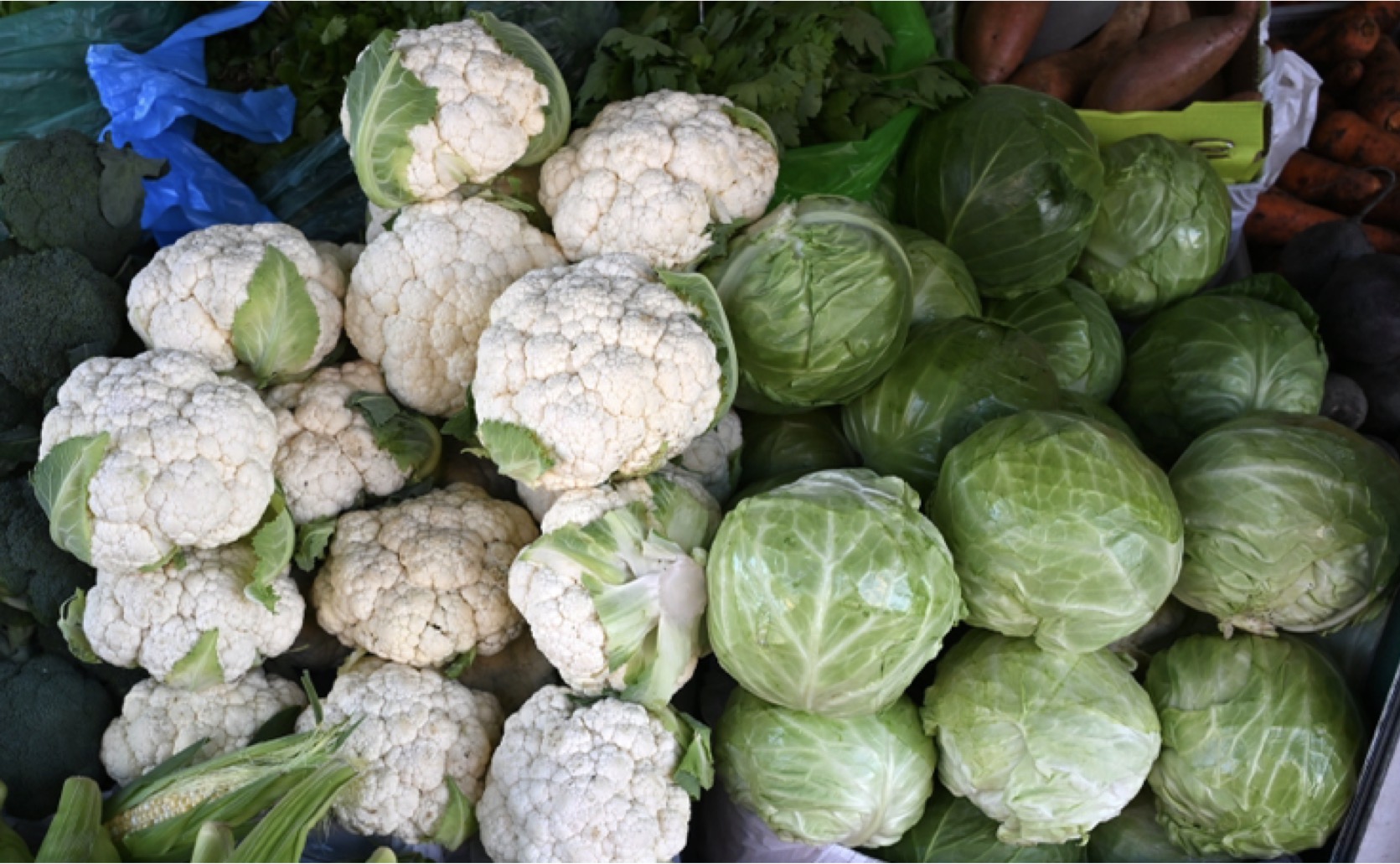
Sinigrin, a natural compound found in cruciferous vegetables such as white cabbage, broccoli, and cauliflower, can slow the development of fatty liver disease and improve liver health.
Researchers published their findings in the journal Food & Function after testing sinigrin on human liver cells and on mice with fatty liver disease caused by a high-fat diet. Treatment noticeably reduced fat accumulation in the liver, lowered inflammation and oxidative stress, and improved metabolism.
Cellular Mechanisms and Protective Effects
The authors found that sinigrin activates the AMPK/SIRT1/PGC-1α signaling pathway, which enhances the breakdown of fatty acids and improves the function of mitochondria, the cellular powerhouses. Sinigrin also suppressed ferroptosis, a form of cell death caused by oxidative stress damage.
Researchers confirmed that the activation of the AMPK protein plays a key role in the protective effect, noting that blocking AMPK caused the positive impact of sinigrin to practically disappear. The authors stated that because the results were obtained only in cell and animal experiments, clinical trials are necessary to assess the compound's effectiveness in humans.
In earlier research, scientists found that oil from sea buckthorn pulp also reduces manifestations of fatty liver disease.