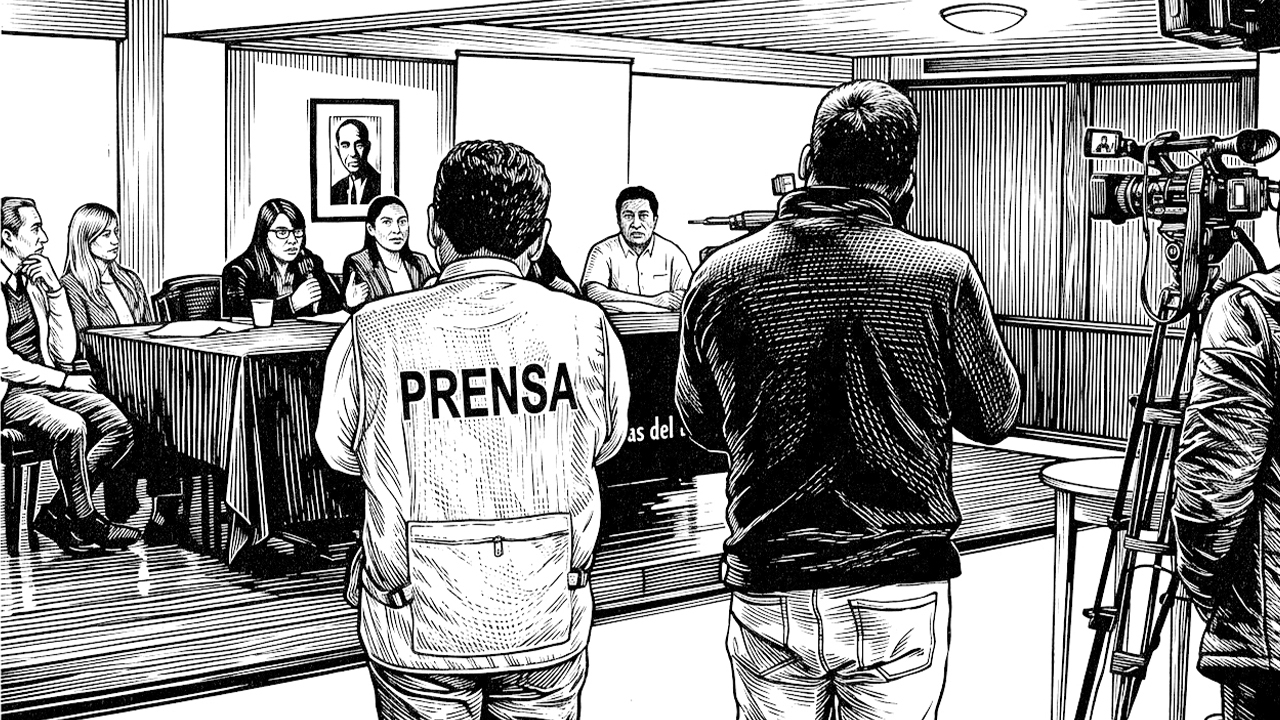
The regional government of Aragon has intensified its demands for the return of the historic Sijena murals from the Museu Nacional d'Art de Catalunya in Barcelona.
Writing in an opinion column published on August 28, 2026, art writer Víctor Fernández argued that political controversy surrounds the Romanesque artwork, which is currently housed in one of the galleries at the museum known as MNAC. Fernández stated that public debate over the cultural heritage item has been politicized by officials even when voters care very little about the controversy.
The disputed murals from the Royal Monastery of Santa María de Sigena were rescued from destruction during the Spanish Civil War by Josep Gudiol, a prominent Catalan art historian and architect. Following the military uprising in 1936, gunfire and bombings severely threatened cultural heritage across Spain, including artillery strikes near the Prado Museum in Madrid.
In response to the growing danger to historic art, Gudiol took on the responsibility of heritage preservation as commissioner for the Generalitat, the regional government of Catalonia. He traveled to the Aragon front in October 1936 to rescue endangered works from active combat zones.
Rescue of the Romanesque murals
Historical letters exchanged between Gudiol and Walter S. Cook, then head of the Institute of Fine Arts at New York University, detailed the rescue operation. In his correspondence with Cook, Gudiol explained that although the paintings in the chapter house at Sijena had been burned, his team managed to detach a large portion of the damaged murals.
Gudiol noted in the letters that the deteriorated artwork was immediately brought to Barcelona so that urgent conservation and restoration work could begin. When post-war regime authorities later investigated Gudiol, he explained that the paintings were on the verge of complete destruction by Iberian Anarchist Federation militias, known as the FAI.
Fernández rejected allegations from some Aragonese spokespersons who have portrayed Gudiol as a pirate with an eyepatch and a wooden leg. He emphasized that without Gudiol and his team taking action to transfer the murals to Barcelona for preservation, the Sijena paintings would no longer exist today.
Recognition for heritage conservation
Fernández stated that Gudiol deserves a public monument and recognition for his rescue efforts rather than political insults. He suggested that the main entrance road into the town of Villanueva de Sijena should be named in honor of the late art historian.
The Romanesque mural paintings remain preserved at the Catalan national museum while regional authorities in Aragon continue to seek their transfer.