The recombinant herpes zoster vaccine Shingrix may protect older adults against Alzheimer's disease and cardiovascular conditions, according to medical expert Dr Marcos Díaz Guillén in Santo Domingo.
Writing in his column on September 1, 2026, Díaz Guillén highlighted recent scientific research demonstrating that the vaccine offers health benefits beyond preventing shingles. A study published in the journal Nature Medicine reported a 0.8 percent absolute reduction in cumulative cases of ischemic heart disease and heart failure among adults aged 60 and older.
Díaz Guillén noted that if clinical trials confirm this 0.8 percent reduction, the preventative effect would translate to hundreds of thousands of prevented cardiovascular cases in the United States alone.
Shingles risks and recombinant vaccine protection
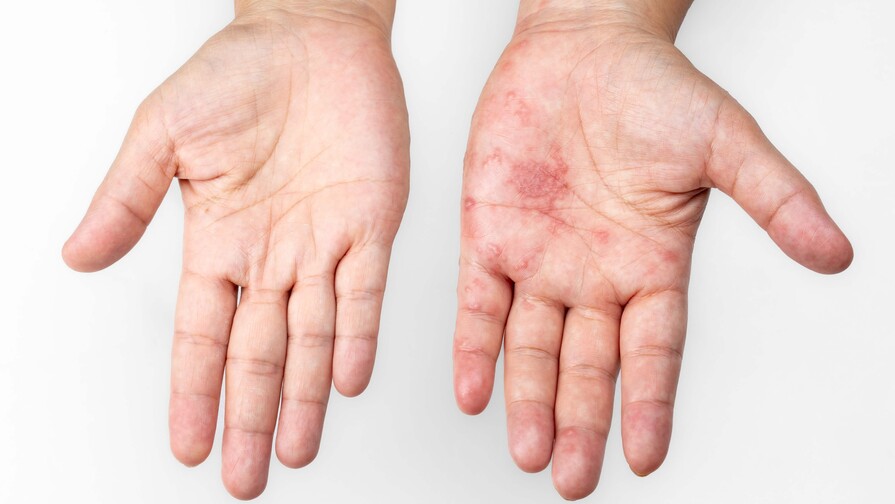
Herpes zoster, commonly known as shingles, develops in individuals who previously contracted varicella, or chickenpox. The varicella virus remains dormant inside the human body for decades and can reactivate later in life when the immune system weakens after age 50.
Without preventive measures, shingles can leave severe lasting complications, including permanent blindness and deafness. Having had chickenpox is an essential prerequisite condition for developing shingles later in life.
The Shingrix vaccine is a recombinant immunization manufactured through genetic engineering. Instead of using live pathogens, the vaccine utilizes targeted fragments of viruses or bacteria as antigens to train the immune system to defend the body against infection before illness occurs.
Scientific evidence and upcoming cancer vaccines
Díaz Guillén stressed that modern medicine and scientific research rely strictly on demonstrable, comparable, and evaluable evidence. Before any vaccine, drug, or medical procedure is approved for human use, regulatory agencies and independent experts must thoroughly evaluate its risks and benefits.
In his analysis, Díaz Guillén cautioned the public against accepting unverified promotional stories that masquerade as scientific research, warning that anecdotal claims should not be confused with genuine science.
Looking ahead, Díaz Guillén stated that new vaccines backed by decades of research will soon be announced and approved to prevent and treat various types of cancer. These include colon, breast, lung, bladder, pancreatic, and skin cancers such as melanoma, as well as glioblastoma, an aggressive form of brain cancer.
Medical expertise and public health guidance
Díaz Guillén concluded that educating the public on these scientific developments is essential to prevent people from being misled by misinformation.
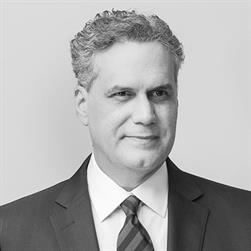
Dr Marcos Díaz Guillén is a pediatric neonatologist and Director of the School of Medicine at Pontificia Universidad Católica Madre y Maestra in Santo Domingo. He is an emeritus pediatrician, a former president of the Dominican Society of Pediatrics, and serves as President of the Dominican Society of Vaccinology for the 2025 to 2027 term.