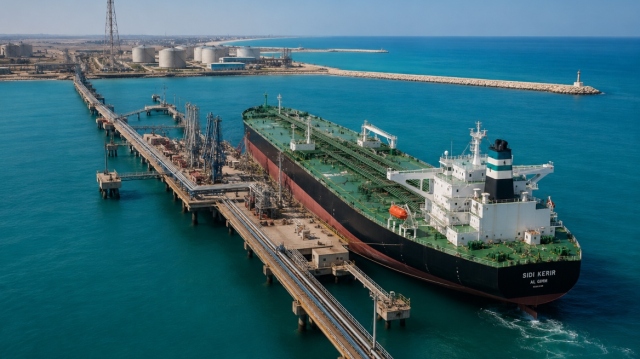
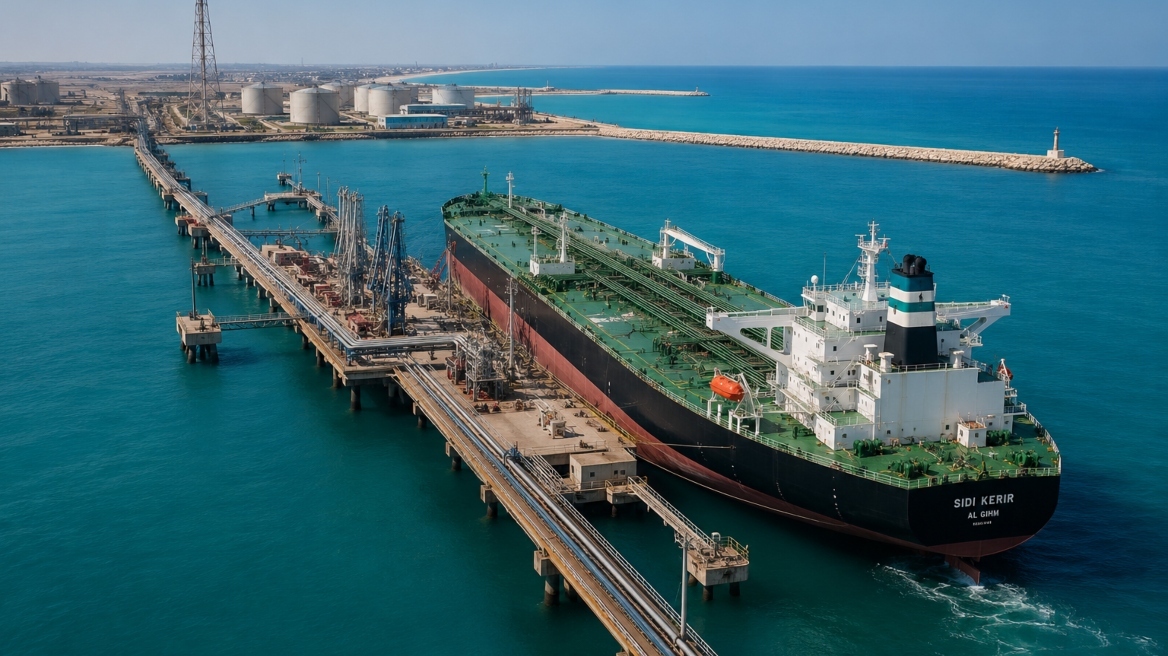
Saudi Aramco has begun adjusting its oil delivery mechanisms to Asia by offering September crude cargoes loaded from Egypt's Sidi Kerir terminal on the Mediterranean to bypass escalating shipping risks in the Strait of Hormuz and the Red Sea.
The state-owned energy giant has shifted from its standard monthly allocation process to a case-by-case distribution for select Asian buyers as two of the world's most critical maritime energy arteries face simultaneous disruption.
The tactical shift, reported by Greek maritime news outlet Protothema, highlights how ongoing security concerns along major Middle Eastern shipping lanes are forcing energy exporters to redesign supply routes for the world's largest crude market.
The SUMED Pipeline and Mediterranean Route
Geography presents a dual vulnerability for Saudi Arabian oil exports. On its eastern border, crude pumped through Persian Gulf ports must navigate the narrow Strait of Hormuz, while shipments leaving western terminals face threats along the Red Sea and the Bab el-Mandeb strait to the south.
To circumvent these bottlenecks, Saudi Aramco is utilizing Egyptian transit infrastructure. Crude oil is transported by tanker or western pipelines to Ain Sokhna on the Red Sea, then pumped northward through the SUMED pipeline system to the Sidi Kerir terminal on Egypt's Mediterranean coast.
The SUMED system, short for the Suez-Mediterranean Pipeline, provides a land-based alternative across Egypt, allowing crude shipments to bypass the narrow Bab el-Mandeb chokepoint and avoid hazardous Red Sea transits entirely.
By offering cargoes at Sidi Kerir, Aramco provides Asian buyers with a secure loading location outside the troubled maritime zones. However, sourcing crude from the Mediterranean significantly alters voyage economics for Asian importers, who must finance a much longer maritime journey around Africa or through alternative routes to reach destination ports.
Shipping Impact and Tanker Demand
The rerouting of Saudi crude through the Mediterranean is creating significant ripple effects across the global tanker market. Shipping analysts measure vessel demand in ton-miles, a standard metric multiplying cargo weight by transit distance.
When crude barrels follow longer sea routes from the Mediterranean to Asian refineries, tanker transit times increase substantially. This extended duration ties up available tanker capacity for longer periods, shifting the supply-demand balance for vessels operating between the Persian Gulf, the Mediterranean, and Asian ports.
Industry observers note that increased ton-mile requirements reduce available global vessel capacity. If sustained, this dynamic could provide strong upward support for international tanker freight rates as charterers compete for available shipping tonnage.
Strategic Supply Shift
While Sidi Kerir is not expected to permanently replace major Saudi export terminals in the Persian Gulf, its expanded role demonstrates Riyadh's intention to establish flexible backup corridors if primary sea lanes become inaccessible or prohibitively expensive to insure.
The increased reliance on western export pipelines and Egyptian infrastructure gives Saudi Arabia an operational safety valve against potential blockades or hostilities in the Strait of Hormuz.
Energy market analysts are watching whether this emergency rerouting will remain a temporary crisis measure or evolve into a permanent feature of Saudi oil logistics. Prolonged geopolitical tensions will give oil companies and traders strong incentives to maintain Mediterranean loading options despite higher overall freight costs.