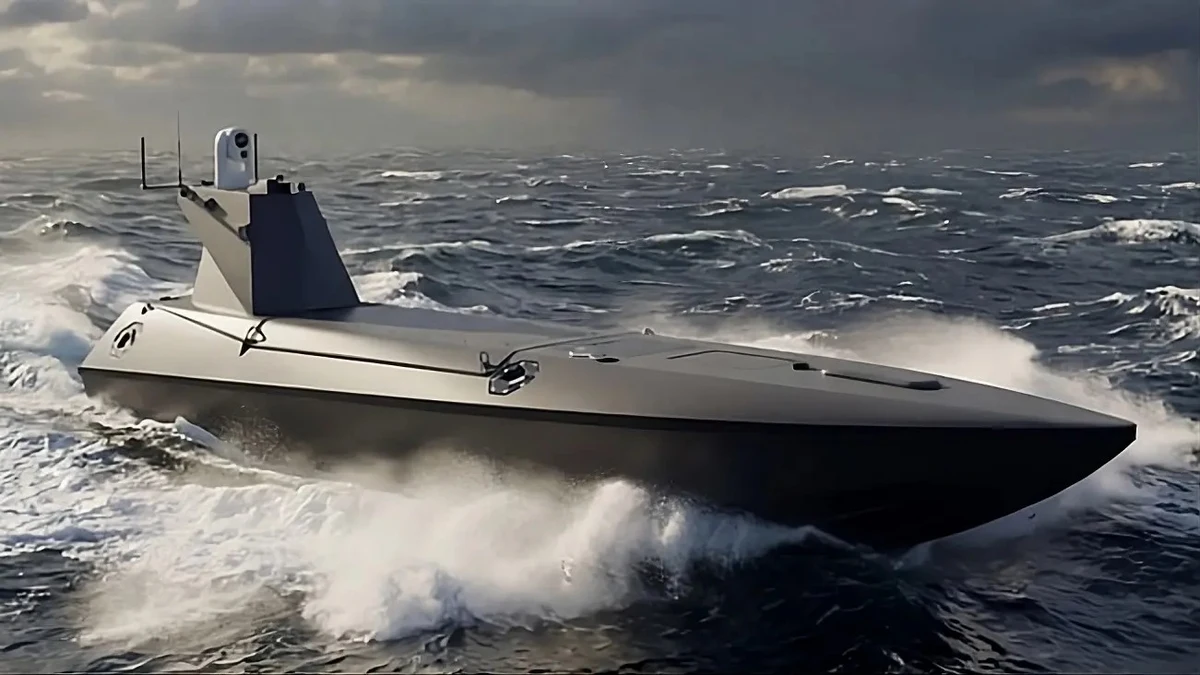
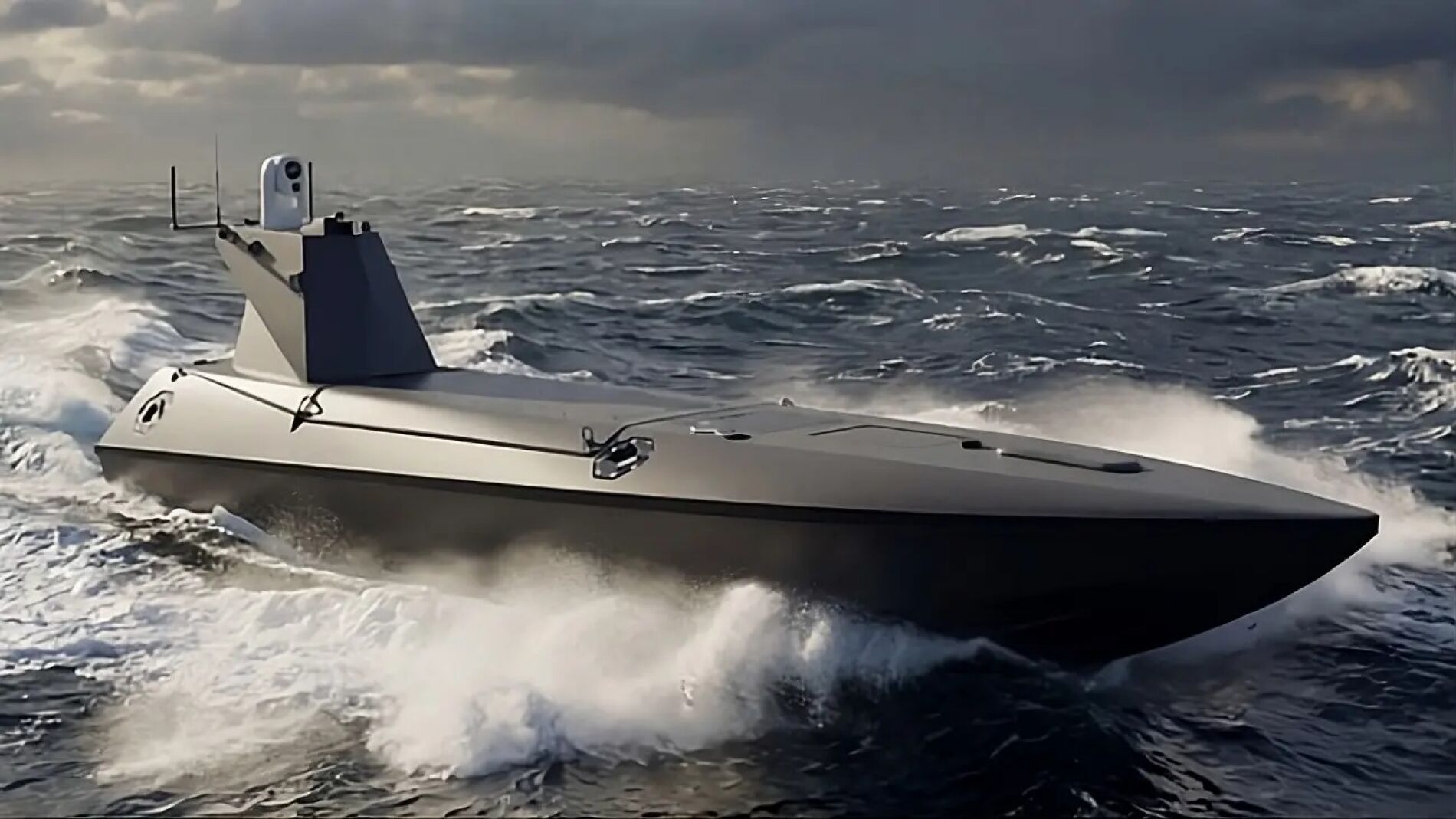
The Royal Navy has discovered that cameras installed on its new K3 Scout uncrewed military vessels were secretly sending data to an Internet Protocol (IP) address located in China.
The discovery occurred during a routine security review, prompting the Ministry of Defence to remove all internet connectivity from the affected subsystem, according to a report by The Telegraph newspaper.
The cameras had been purchased by British defence manufacturer Kraken Technology Group through an external supplier that had guaranteed their security. A subsequent investigation established that the equipment incorporated components manufactured in China and established periodic connections with a server based in that country.
The Ministry of Defence maintained that there is no evidence sensitive data was transmitted or that government networks and systems were compromised.
Heartbeat communications to Chinese server
The transmissions detected were periodic heartbeat communications, which are brief automated data exchanges that an electronic device sends to indicate that it remains online and functioning correctly. However, because the messages were directed to a Chinese IP address, the connections raised serious concerns on vessels intended for military operations that can carry additional surveillance sensors alongside optical cameras.
An IP address is a unique numerical identifier assigned to every device connected to a computer network, allowing data to be routed across the global internet. In military hardware, unmonitored external network connections create vulnerabilities that could allow unauthorized parties to track asset locations or access telemetry.
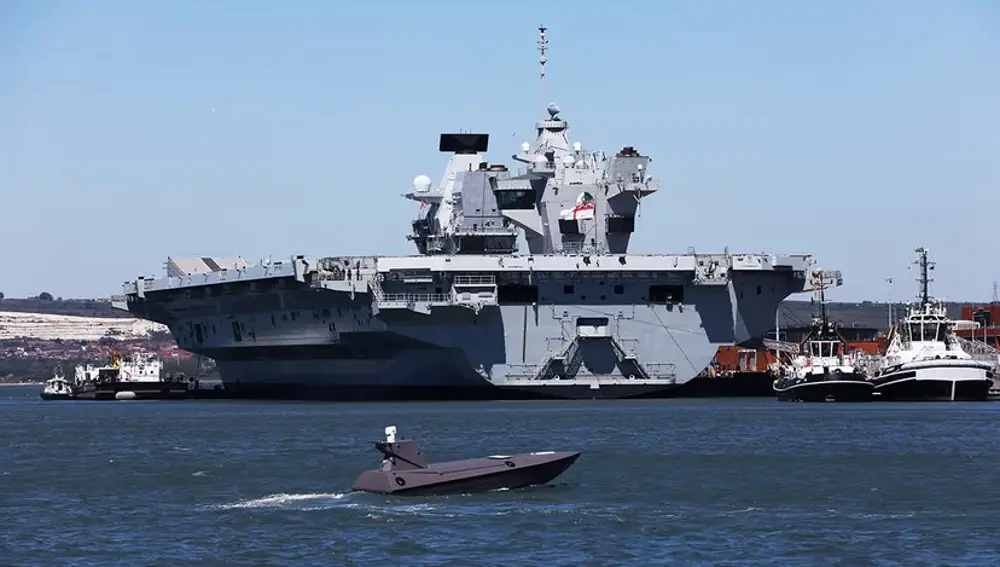
A Ministry of Defence spokesperson stated that a routine cybersecurity vulnerability assessment identified an issue affecting a subsystem of a Kraken uncrewed surface vehicle used by the Royal Navy. The spokesperson said a thorough investigation found no evidence that Ministry of Defence data or systems were accessed, compromised, or transmitted externally, adding that verification processes are specifically structured to detect and resolve such vulnerabilities at an early stage.
Planned deployment in the Strait of Hormuz
A defence source told The Telegraph that the K3 Scout vessels were included in preparations for a future British naval deployment aimed at safeguarding freedom of navigation in the Strait of Hormuz. The source stated that the incident represented a major failure in verifying component origins and said officials had lost confidence in the platform.
The newspaper added that defense officials harboured concern because some of the uncrewed craft had been operated near sensitive gatherings of senior special forces officers. The Strait of Hormuz, located between Oman and Iran, is a strategic maritime choke point through which a significant portion of the world's petroleum passes, requiring continuous naval patrols to protect commercial shipping.
The Royal Navy ordered a fleet of 20 uncrewed craft from Kraken in March 2026 under an initiative named Project Beehive, secured through a contract officially valued at 12.3 million pounds. The fleet was assigned to the Coastal Forces Squadron of the Royal Navy and the 47 Commando of the Royal Marines to conduct operations, conduct training, and develop autonomous capabilities.
Specifications of the K3 Scout vessel
Each K3 Scout measures 8.4 metres in length and 1.93 metres in beam, with a displacement of up to 2,500 kilograms and a payload capacity of 600 kilograms. Powered by a diesel engine, the vessel can reach top speeds of 55 knots, approximately 102 kilometres per hour, and possesses an operational range of 650 nautical miles, or roughly 1,200 kilometres, when cruising at 25 knots.
Kraken stated that the vessel can remain deployed at sea for up to 30 days depending on mission parameters. Designed with a modular architecture, the K3 Scout can be outfitted with electro-optical cameras, radar, sonar, intelligence gathering equipment, electronic warfare systems, or weapons payloads.
The manufacturer designed the craft for maritime surveillance, force protection, unit infiltration and extraction, logistical transport, critical infrastructure defense, and precision strike missions. The craft can operate completely autonomously or via remote control, allowing operators to rapidly swap payloads to match operational requirements.
United States contract and NATO exercises
The United States military is also working alongside Kraken to integrate similar uncrewed vessels into its special operations forces. The company received a 49 million dollar contract in 2026 from the United States Special Operations Command to develop and deliver prototypes of uncrewed surface and subsurface vessels.
The K3 Scout has already participated in joint NATO military exercises and capability demonstrations conducted by American forces. United States Special Operations Command, headquartered at MacDill Air Force Base in Florida, oversees the specialized military operations of the American armed services.
Precedents of Chinese technology bans
The security discovery follows earlier decisions by British authorities regarding Chinese technology in sensitive national infrastructure. In 2020, the United Kingdom government prohibited new purchases of 5G networking equipment from Chinese telecommunications company Huawei and mandated the removal of all Huawei hardware from national networks by the end of 2027 due to national security concerns.
In July 2026, The Telegraph reported that the Special Boat Service, an elite Royal Navy special forces unit specializing in maritime counter-terrorism, banned Chinese-manufactured electric vehicles from entering its headquarters in Poole. Military officials enacted the ban over concerns that built-in cameras, sensors, and internet-connected systems on the vehicles could be exploited for foreign intelligence gathering.