The Russian nuclear submarine Khabarovsk has departed the Severodvinsk shipyard in northern Russia to begin initial sea trials in the White Sea.
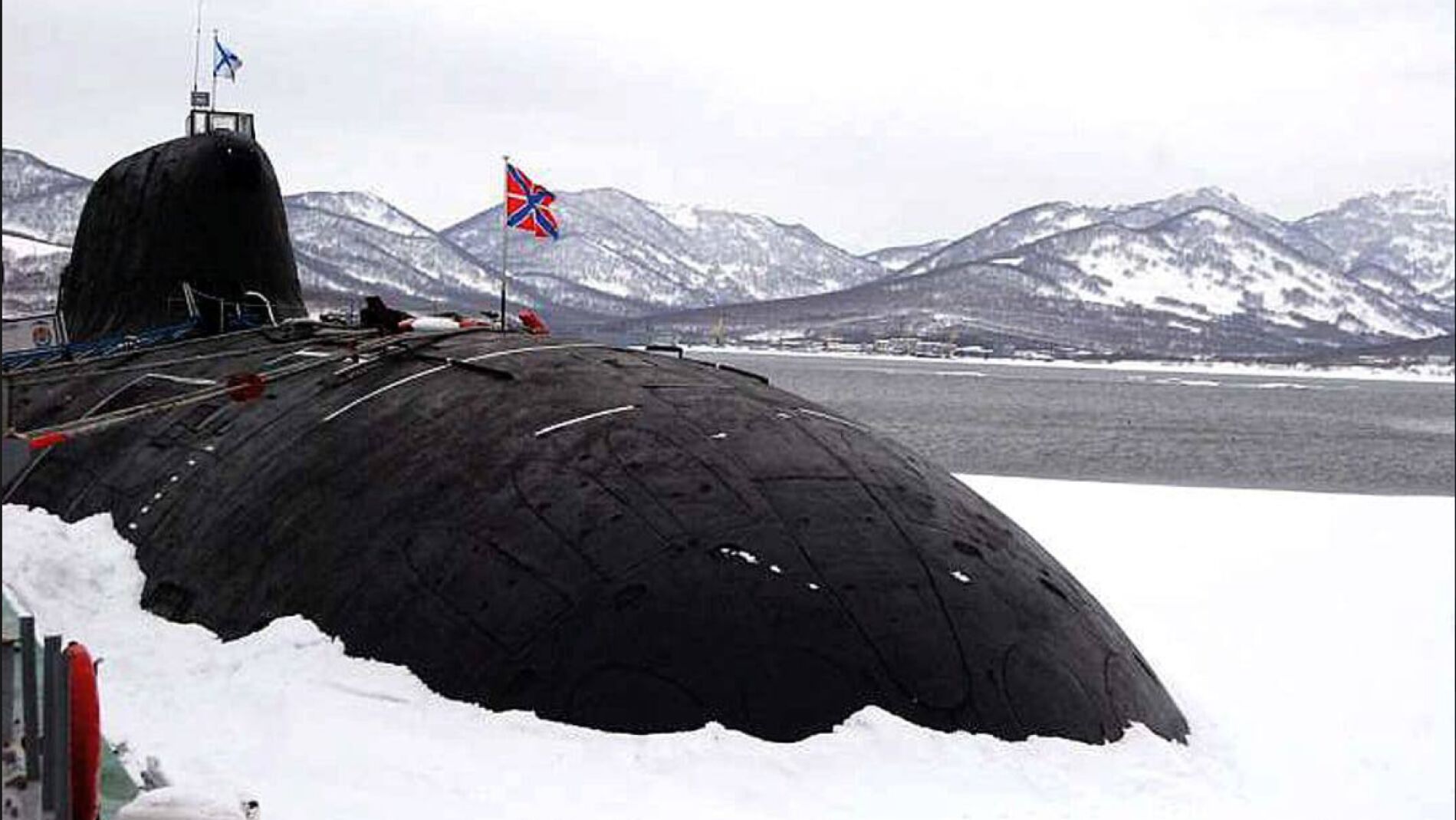
The vessel, designed specifically to carry Poseidon nuclear-powered underwater drones, will undergo testing in the Barents Sea region to verify its sailing performance and onboard systems before potential military service.
Severodvinsk, located on the coast of the White Sea in Russia's Arkhangelsk region, is the country's primary hub for constructing nuclear-powered submarines. The trials mark the first time the vessel has sailed under its own power since leaving the shipyard facility.
Project 09851 construction timeline
The Khabarovsk belongs to Project 09851, a specialized military submarine program. Construction of the vessel began in 2014 at the Sevmash shipyards in Severodvinsk.
Sevmash is Russia's largest shipbuilding enterprise and the sole yard producing nuclear submarines for the Russian Navy. Although the Khabarovsk was launched in November 2025, it remained at the facility until starting its current navigation tests in August 2026.
Unlike conventional submarines modified to carry new weapons, engineers designed the Khabarovsk platform from its inception specifically around the mission of deploying Poseidon autonomous vehicles.
Poseidon strategic underwater drones
While often described as a nuclear torpedo, the Poseidon system differs significantly from traditional naval munitions. It is a large, nuclear-powered autonomous underwater vehicle capable of carrying a nuclear warhead over long ocean distances.
Standard torpedoes operate over short ranges and follow target paths controlled by launch platforms. Poseidon functions as a long-range strategic drone that does not require a continuous connection to its host submarine or a fixed trajectory.
Russia publicly unveiled the Poseidon project in 2018 as part of a new class of strategic weapons. The system is designed to travel underwater to avoid existing air defense and missile defense interception networks.
Comparison with the Belgorod submarine
The Khabarovsk is the second Russian submarine capable of carrying Poseidon drones. The first was the Belgorod, a massive nuclear submarine modified from an older design for special operations.
While the Belgorod was adapted from an existing hull design, the Khabarovsk represents the first purpose-built class created exclusively for Poseidon operations.
Unconfirmed estimates indicate that the Khabarovsk will be capable of carrying up to six Poseidon vehicles. However, official Russian authorities have not publicly confirmed the vessel's precise weapons payload configuration.
Nuclear propulsion and operational range
The specialized role of the Khabarovsk allows Russia to position autonomous nuclear weapons underwater without relying on traditional air routes or ballistic missile flight profiles.
The submarine relies on an onboard nuclear reactor for propulsion. Nuclear power provides electrical energy and propulsion for extended periods, enabling the vessel to remain submerged for months without surfacing for fuel or oxygen.
This extended submersion capability makes nuclear submarines difficult to detect and track compared to conventional diesel-electric vessels.
Western expert evaluation and Pacific Fleet deployment
Much of the technical data regarding the Khabarovsk remains classified by Russian defense authorities. Information concerning its maximum speed, displacement, operational depth, and acoustic signatures originates from open-source analysis rather than official releases.
Western defense experts have warned that some claims made by Moscow regarding Poseidon's performance and capabilities may be exaggerated. Publicly available information remains insufficient to verify the drone's true effectiveness, operational reliability, or stealth.
The submarine must successfully complete its sea trial campaign in the White Sea and Barents Sea before entering operational service. Following the completion of testing, the Khabarovsk is expected to be assigned to the Russian Navy's Pacific Fleet, which operates out of bases in eastern Russia.