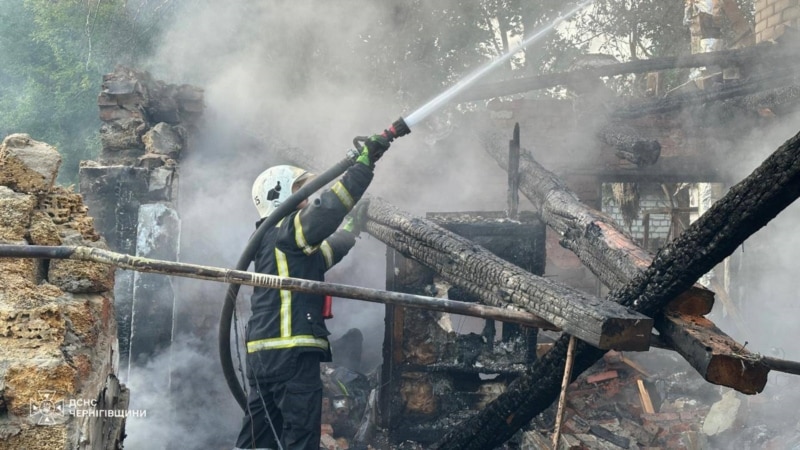
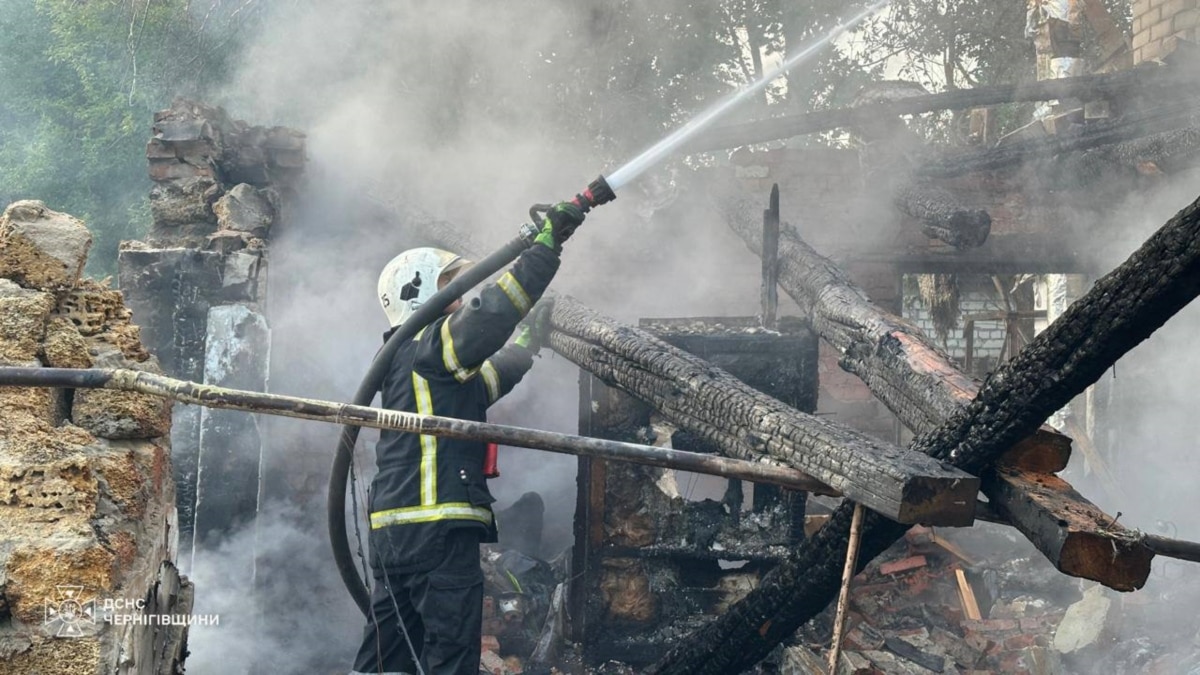
Russian attacks struck Vinnytsia and Zhytomyr regions in central and northern Ukraine, injuring two people and damaging civilian infrastructure, local authorities reported.
Nataliia Zabolotna, head of the Vinnytsia Regional Military Administration, reported that two people were injured following a Russian attack that involved the probable fall of drone debris. Zabolotna did not specify the precise location where the casualties occurred.
Vinnytsia Mayor Serhiy Morhunov reported that an explosion was heard within the city of Vinnytsia, though he did not provide further information. To the north, Vitalii Bunechko, head of the Zhytomyr Regional Military Administration, said Russian strikes damaged civilian infrastructure facilities in the Zhytomyr community.
Bunechko added that rescue crews from the State Emergency Service of Ukraine and emergency medical teams were working at the scene in Zhytomyr, while information regarding casualties remained under clarification. Vinnytsia region is situated in west-central Ukraine, while Zhytomyr region lies directly west of Kyiv and borders Belarus to the north. The State Emergency Service serves as Ukraine's primary civil protection body during wartime strikes.
Casualties and Infrastructure Damage
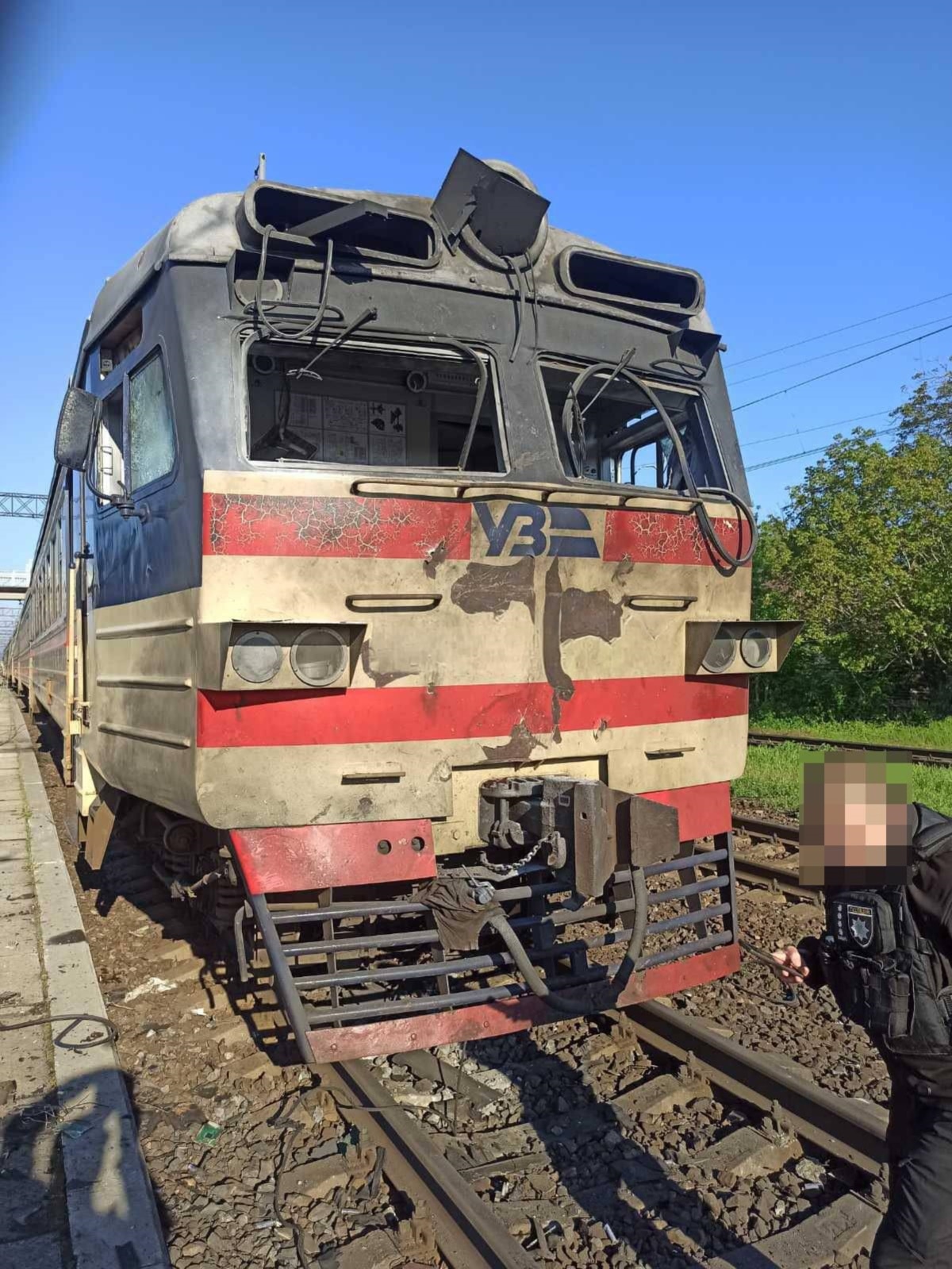
Russian forces regularly attack Ukrainian cities and civilian infrastructure across all regions using strike drones, missiles, guided aerial bombs, and multiple launch rocket systems. Ukrainian authorities and international organisations classify these attacks on essential civilian facilities as war crimes committed by the Russian Federation.
Officials and legal observers stress that deliberate shelling of life support networks and healthcare facilities to deprive populations of electricity, heating, water, communications, and medical care exhibits signs of genocidal action. Legal experts, genocide researchers, and human rights advocates state that Russian conduct during the full-scale invasion includes actions that meet the definition of genocide.
These documented actions include public statements by Russian leadership denying the existence of Ukrainians as an ethnic group, public calls for the destruction of Ukrainians, and targeted attacks on vital municipal services. Human rights groups also point to the persecution of pro-Ukrainian citizens in occupied areas, the targeting of cultural figures and educators, the imposition of altered school curricula on children, the forced deportation of parentless children to Russia, and the systematic destruction of Ukrainian books and historical museum artifacts.
Genocide Allegations and International Law
The Convention on the Prevention and Punishment of the Crime of Genocide was adopted by the United Nations General Assembly in 1948 in the wake of World War II. The international treaty currently has 149 state parties, which are obligated to prevent and punish acts of genocide committed during both war and peace.
Under the 1948 treaty, genocide is defined as acts committed with the intent to destroy, in whole or in part, a national, ethnic, racial, or religious group as such. Prohibited acts include killing group members, causing serious bodily or mental harm, deliberately inflicting destructive living conditions, preventing births, and forcibly transferring children. Russian leadership denies that its military carries out targeted strikes on civilian infrastructure, kills non-combatants, or destroys schools, hospitals, and utility networks in Ukraine.