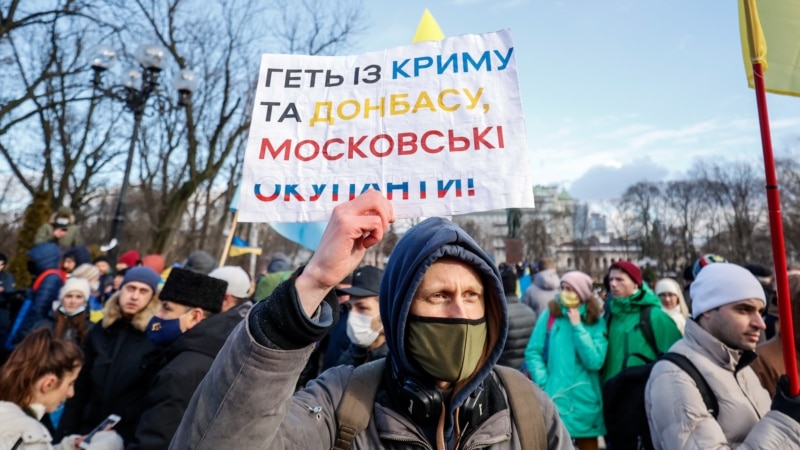

Russia is preparing to hold illegal elections to its State Duma in occupied Crimea from September 18 to 20, nominating more than 20 candidates for the vote. The three-day parliamentary vote marks the first election to the Russian State Duma since Moscow launched its full-scale invasion of Ukraine. Russian authorities previously held elections on the occupied Crimean peninsula, though neither Ukraine nor Western governments recognized their legality.
Inna Huzeieva, deputy head of the Russian-controlled Election Commission of Crimea, announced that 23 candidates are set to run from the peninsula. She stated that political parties nominated 22 of those candidates, while one candidate is running as a self-nominated independent.
Eskender Bariyev, head of the Crimean Tatar Resource Center, said the nomination of numerous candidates who remain virtually unknown to local residents does not alter the underlying reality. He explained that Russian officials primarily require the voting process to demonstrate public participation and to attempt to reconfirm the legitimacy of Moscow's occupation of Crimea.

Following Russia's occupation of Crimea, Ukrainian officials repeatedly called on peninsula residents, particularly the indigenous Crimean Tatar population, to boycott Russian electoral processes on the grounds that they violate international law. Bariyev noted that while some local arguments previously favored participating in municipal elections to address everyday utility and school infrastructure issues, all structures created by Russian authorities remain part of an occupation system. Consequently, Moscow uses any participation to support its own narrative of events.
Candidate Nominations and Voter Pressure

Bariyev expects Russian authorities to rely heavily on administrative pressure and coercion aimed at residents who depend on occupation institutions for employment or social benefits. He noted that municipal and state employees were effectively forced to vote during previous Russian election campaigns on the peninsula.
Bariyev said Russian officials will maximize administrative resources and falsify results while allowing only systemic opposition candidates to simulate political competition. He added that non-systemic opposition figures will be barred from participating to prevent them from influencing voters or discussing Russia's war against Ukraine.

Campaign activity on the Crimean peninsula is expected to intensify between late August and early September as the ruling party seeks to project high levels of public support. Bariyev noted that although ratings for Russian President Vladimir Putin and his party have dropped, officials will push aggressively through campaign messaging to demonstrate strong electoral backing.
Electronic Voting During Infrastructure Blackouts

Russian-controlled authorities in Crimea decided to implement remote electronic voting for the State Duma elections despite recurring power and communications blackouts across the peninsula. Officials also planned home voting for residents unable to attend polling stations, along with mobile voting setups in residential courtyards, repeating procedures used in 2024.

Political analyst Oleh Lisnyi, director of the Politika Center for Analysis, described the upcoming vote as an imitation rather than a genuine electoral process. Lisnyi said the event lacks standard democratic elements, calling it a performance and remarking that he was surprised authorities had not permitted voting by carrier pigeons.

Lisnyi noted that the Russian political system lacked competitive elections prior to the full-scale invasion of Ukraine, and the space for political expression has since diminished further. He emphasized that conducting elections in militarily occupied territories carries no legal weight under international law and does not alter the legal status of those areas, giving international partners full justification to reject the entire process.
Shortages and Manufactured Turnout Targets

Lisnyi pointed out that Moscow will attempt to construct an image of widespread local support using staged photos, videos, and reports of high voter turnout. However, he stressed that projecting an image of well-being in Crimea will be difficult due to severe fuel and goods shortages that have affected the peninsula in recent months, such as long queues of vehicles at gas stations in Yevpatoria on June 3, 2026.

Photos from Simferopol also showed empty shelves at local Metro supermarkets, illustrating ongoing supply difficulties. Meanwhile, Andriy Kovalenko, head of Ukraine's Centre for Countering Disinformation, stated that the Russian presidential administration instructed officials to fabricate election results by securing a 65 to 70 percent voter turnout and attributing at least 70 percent of the vote to the ruling United Russia party.

Lisnyi noted that occupiers face a fundamental problem because very few residents remain in occupied regions to demonstrate support. He stated that even Russian military bloggers expressed surprise when no locals appeared after towns were captured, explaining that Russian forces killed or displaced both opponents and potential supporters, leaving damaged buildings and broken windows instead of voters.
International Legitimacy and Military Countermeasures
Lisnyi said Russian authorities will use the voting results to target foreign audiences and Western politicians willing to accept Moscow's claims. He called on international partners to utilize satellite intelligence to verify population levels in towns where Russia claims hundreds of thousands of people voted, noting that such population numbers are impossible in recently captured areas.

Addressing Russia's influence abroad, Lisnyi said Ukraine can counter Moscow's propaganda by advancing on the battlefield and expanding deep strikes against Russian targets, arguing that military progress effectively overrides pseudo-elections in media coverage. Meanwhile, the Ministry of Foreign Affairs of Ukraine called on election observers from the Commonwealth of Independent States not to visit occupied territories, warning that Moscow intends to use their presence to legitimize illegal voting.
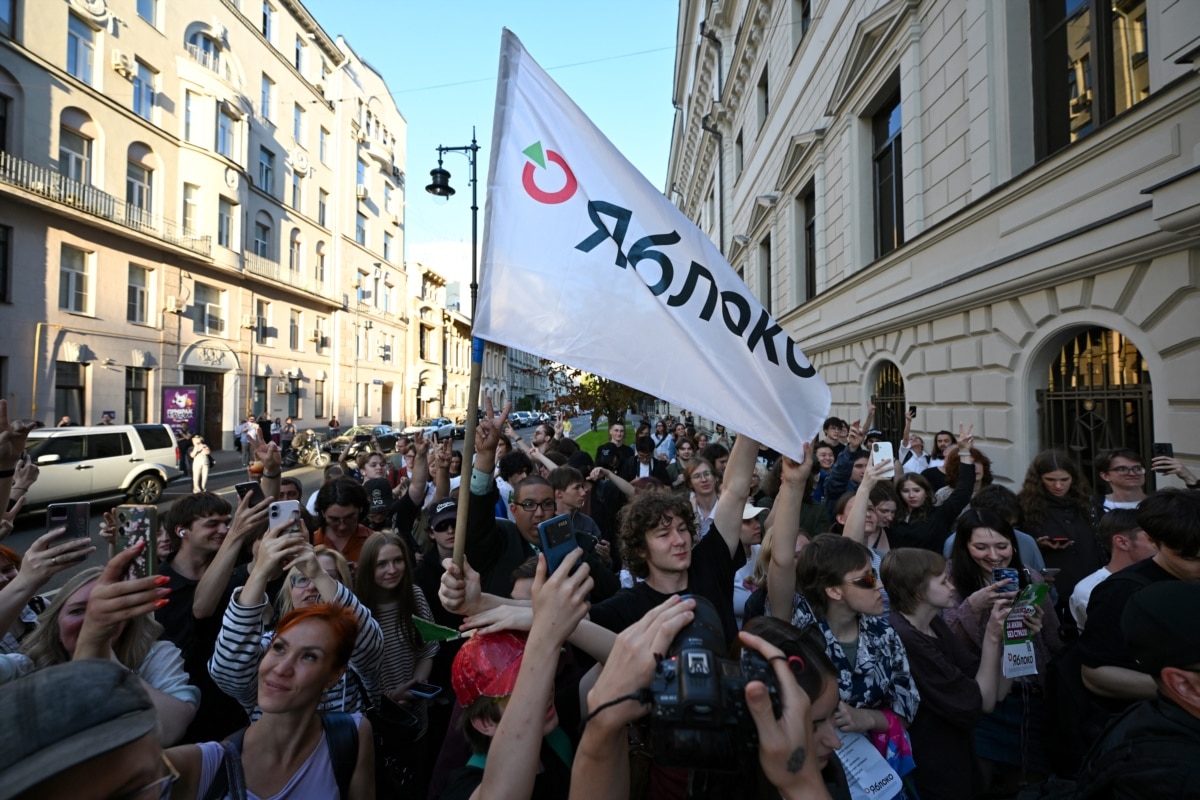
In related developments, Russian authorities have moved to eliminate opposition parties from electoral processes within Russia, including barring the Yabloko party following anti-war stances and political song controversies.
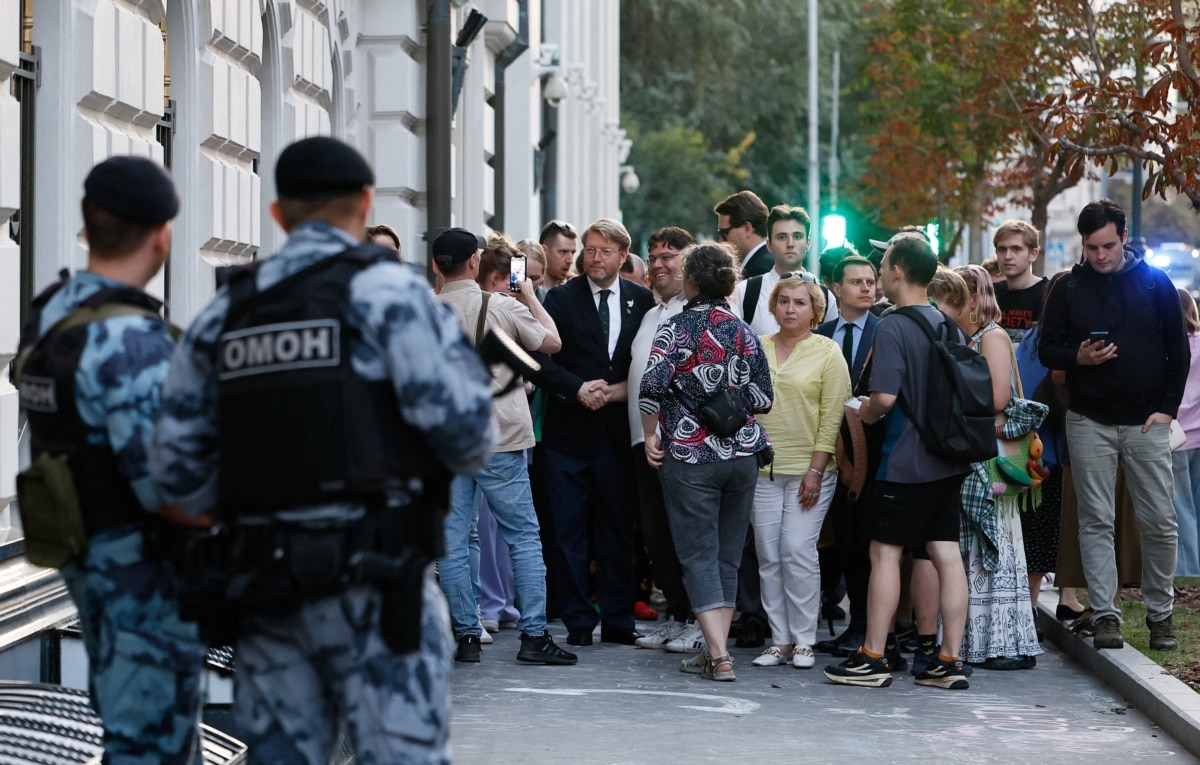
Reports from the Institute for the Study of War indicate that the Kremlin remains concerned about anti-war sentiments among the Russian population as election preparations continue.
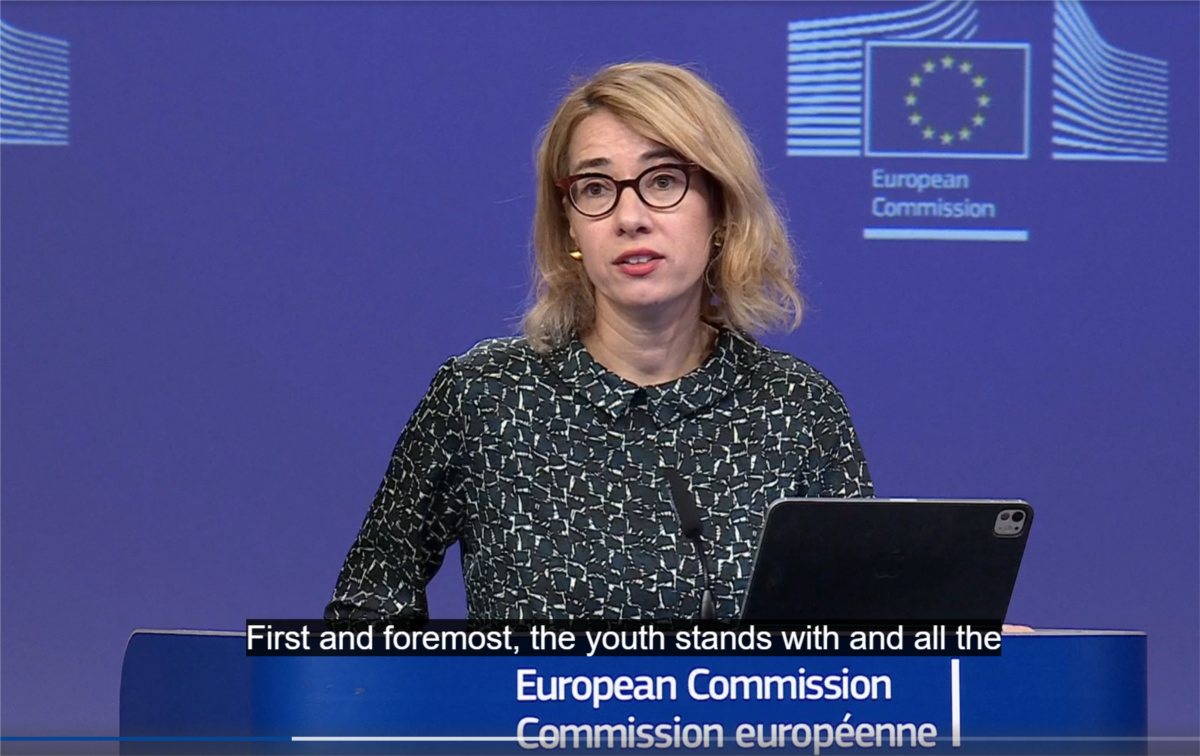
The European Commission responded to the exclusion of opposition figures and parties like Yabloko from Russian elections by stating that European officials were not surprised by Moscow's actions.